Al-Zaidi's Visit to Damascus Raises Security Concerns and Economic Questions
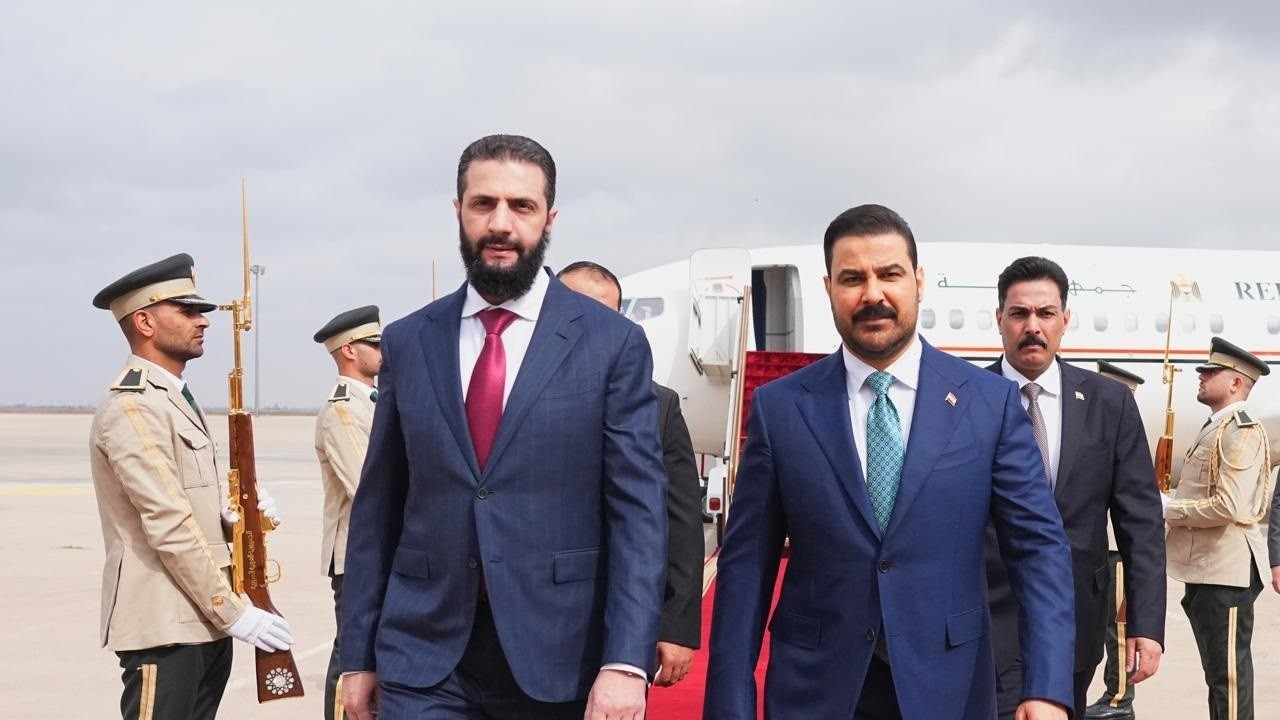
The visit of Prime Minister Ali Al-Zaidi to Damascus has raised questions about the extent of openness towards Syria and the associated security and economic risks, amid ongoing concerns about armed groups and smuggling networks, and the unclear direct economic benefits of the proposed agreements between the two countries. This visit, the first by an Iraqi prime minister to Damascus since the fall of the previous Syrian regime in late 2024, is part of governmental efforts to expand relations with neighboring countries, amid questions about security guarantees and mechanisms for implementing economic and trade agreements. The director of a strategic studies center indicated that rapid political openness may pose risks to Iraq's national security, warning against forming partnerships with parties whose past and regional roles remain unclear, especially given the Turkish intelligence influence. He emphasized the need to impose strict security conditions and ensure border protection from the repercussions of armed groups' activities, considering that sovereignty and security concerns should take precedence over mere diplomatic protocols. Similarly, a political affairs researcher viewed the visit as lacking strategic depth, noting that Baghdad still tends to manage crises through diplomacy rather than building an integrated national security system. He explained that border control, combating smuggling, and addressing informal presence along the border require clear field mechanisms, information exchange, and defined responsibilities, rather than general memorandums of understanding. He warned that Iraq's attempt to act as a mediator or guarantor in complex regional files without internal consensus and a unified sovereign vision could expose it to challenges beyond its negotiation capacity, pointing out that the timing of the visit raises questions about Baghdad's regional positioning. These concerns coincide with the ongoing threat posed by ISIS, despite transitional Syrian President Ahmed Al-Shar' affirming in a televised interview prior to the visit the decline of threats and the existence of security coordination between the two countries. However, these assurances alone do not resolve the level of security readiness nor replace the need to verify necessary arrangements to prevent militants' infiltration and the activation of smuggling networks. Economically, the project to revive the oil pipeline line between Kirkuk, Haditha, and Banyas emerged as a key topic in Iraqi-Syrian rapprochement. Al-Shar' confirmed discussions about the project, which could provide Iraq with an additional outlet to export oil via the Mediterranean Sea, partially reducing reliance on export routes vulnerable to disturbances in the Gulf and Strait of Hormuz. However, the project's importance does not guarantee its implementation, as it requires technical and financial assessments, security guarantees, and determining the cost of rehabilitating the line, as well as the terms of operation and export through it. In this context, the researcher warned about the limited effectiveness of economic memorandums of understanding unless they include clear timelines, implementation mechanisms, and financial guarantees, pointing to the risk of agreements becoming media headlines without reflecting on the budget or job opportunities, at a time when Iraq faces financial pressures and structural imbalances due to heavy reliance on oil revenues. On the other hand, an advisor to the Baghdad Chambers of Commerce defended Al-Zaidi's regional tour, considering it a balanced diplomatic, economic, and political move that could help diversify oil export outlets, expand investment partnerships, and advance the development road project. However, the report noted that achieving these goals remains contingent on converting understandings and orientations into effective contracts and specific projects, rather than merely expanding diplomatic visits. These issues place the Iraqi-Syrian rapprochement to a test concerning the ability of both parties to provide verifiable security guarantees and transform economic agreements into projects with clear returns, achieving Iraq's interests while preserving border security and its regional maneuvering space.