"Naza" Controversy: Gaza Film Reveals Deep Fissures in Israeli Establishment
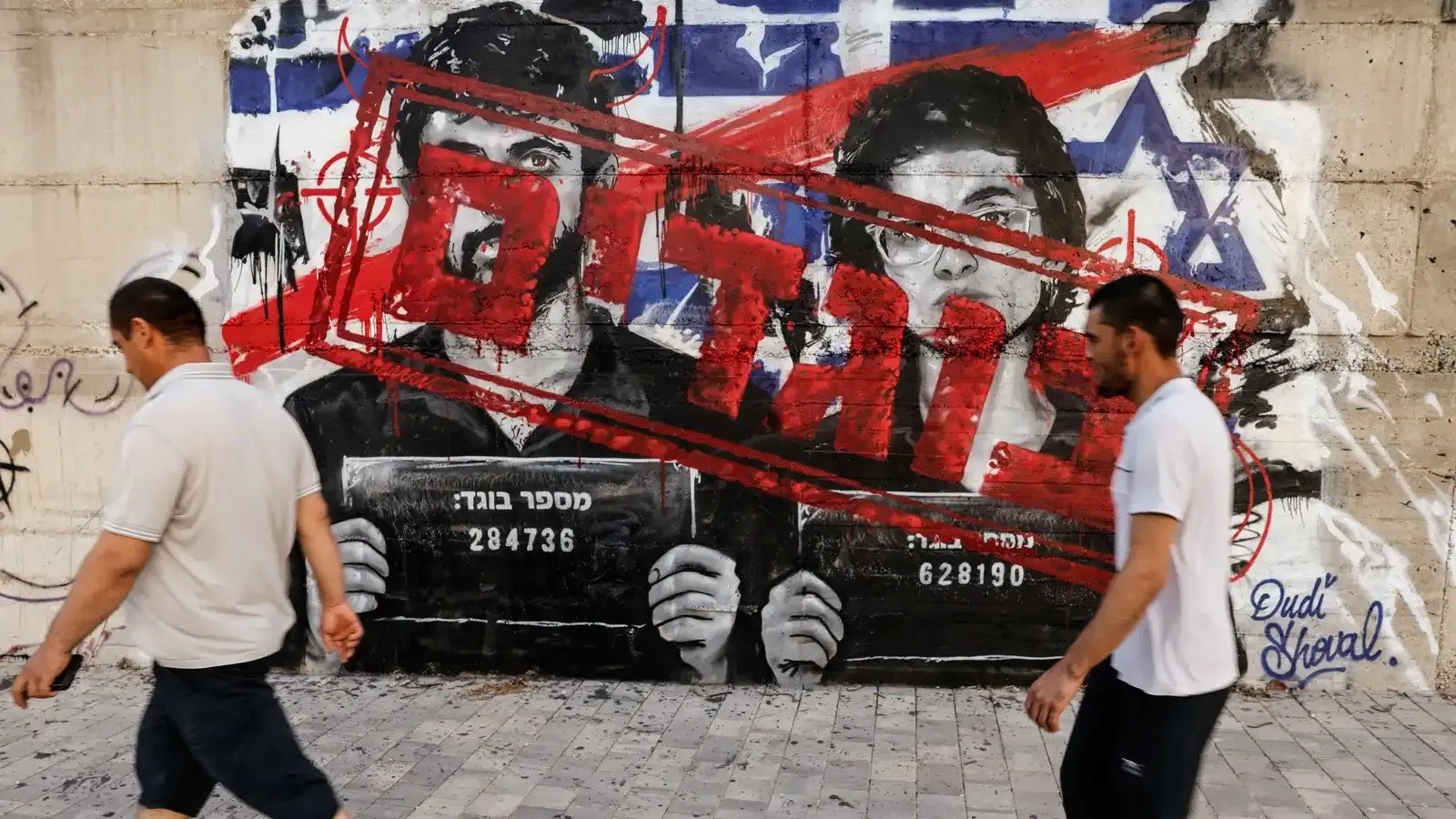
The film "Naza," an award-winner at the Venice Film Festival addressing the killing of civilians in Gaza, has ignited widespread controversy within Israeli circles, transcending its cinematic nature to become a pivotal political and media issue. This debate, intensified by an Israeli report revealing military and diplomatic recommendations to de-escalate interaction with the film, reflects a deep Israeli sensitivity towards narratives about the war in Gaza and its potential international repercussions. Press reports indicate that figures within the Prime Minister's office are fueling the internal debate surrounding the film, driven by political considerations related to electoral campaigns. Professional bodies recommend calming the discussion to limit potential media damage to Israel's image. This situation arises amid escalating statements from Israeli officials against the film's creators, highlighting an internal division over how to balance maintaining the state's international image with domestic political calculations. An Israeli report revealed that senior professional entities within the army and the Ministry of Foreign Affairs recommended against targeting the film's creators and reducing media coverage around it. These recommendations were based on an assessment that the film has not yet garnered significant international attention, nor has it led to widespread protests or official inquiries from foreign governments. These entities warned that aggressive responses could shift the discussion away from the film's content towards accusations that Israel is attempting to suppress criticism and restrict freedom of expression, calling for an organized and deliberate approach to the issue instead of impulsive reactions. However, this calm approach clashes with a different political direction, as Israeli ministers and officials continue to escalate their rhetoric against the film and its makers. Some have gone as far as proposing to strip them of citizenship and investigate how they obtained the information used in the work. These recommendations place the film at the heart of a clear paradox: the military establishment seeks to reduce attention to it as the optimal way to deal with it, while political and security figures lean towards escalation. The recommendation asserts that the film has not yet become a major international issue, and an intensified attack on it could increase its exposure and allow Israel's critics to turn the discussion into a matter of freedom of expression. Nevertheless, this does not signify the military establishment's acceptance of the film's content, but rather reflects a different strategy in managing the resulting media and political damage. The name "Naza" is an Israeli acronym for "collateral damage." It is a documentary film directed by Yuval Abraham and Rachel Szor, based on the testimonies of 24 soldiers and intelligence officials who served during the war in Gaza. The film examines the mechanisms of military target selection, the use of AI-based systems in targeting operations, and estimates of potential civilian casualties before some strikes are executed. Among the most controversial issues raised is a discussion about a strike that was anticipated to result in the death of approximately 500 civilians. The Israeli army denies this narrative, asserting that final targeting decisions are made by humans and not independently by AI systems, and unequivocally rejecting the claims regarding the strike that was expected to kill 500 civilians. The film won the Special Jury Prize at the Venice Film Festival after its screening attracted international attention. Its creators affirm that they verified the testimonies of their sources, which include Israelis who requested anonymity. The conflict has moved beyond being a debate about a documentary film to become a broader discussion about the war itself, targeting operations, and the limits of internal criticism of the Israeli military establishment. The Israeli army seeks to address the film by refuting what it describes as false or misleading claims, while also providing detailed explanations of targeting decision-making mechanisms. In contrast, Prime Minister Benjamin Netanyahu has adopted a more confrontational stance, attacking the film and its directors, which has led political discourse to consider potential legal actions against the filmmakers. Israeli Culture Minister Miki Zohar had called for an investigation into how the film's creators obtained their material and whether obtaining classified information could constitute a legal offense, before the political rhetoric escalated to the point of discussing revoking citizenship. Netanyahu described the film as "shocking incitement" and threatened legislative measures, including revoking citizenship and imposing financial penalties, on those he accuses of distorting the image of soldiers or the state. These developments occur as the film's issue has become an integral part of a broader political debate within Israel, where the dispute has extended beyond the accuracy of the events presented to encompass how the government handles an Israeli production that criticizes the army's performance during the war. The film reveals a clear conflict between two approaches within Israel: one focusing on international relations and managing media image, and the other treating the issue as an internal political matter tied to the war, the army, and elections. The debate within Israel has not been confined to the governmental and military levels but has also spread to the cultural sector. Over 700 workers in the Israeli film industry have defended the film's creators and their right to freedom of expression, while the directors themselves have faced criticism and threats from right-wing groups. Despite winning a prestigious award and the ongoing intense controversy, the film has not yet been widely screened in Israel. The filmmakers urge the public to watch the film before making judgments, emphasizing that the essence of the work lies in the testimonies of the soldiers and officers featured.