Damascus Protests Target Assala Nasri Concert Ads
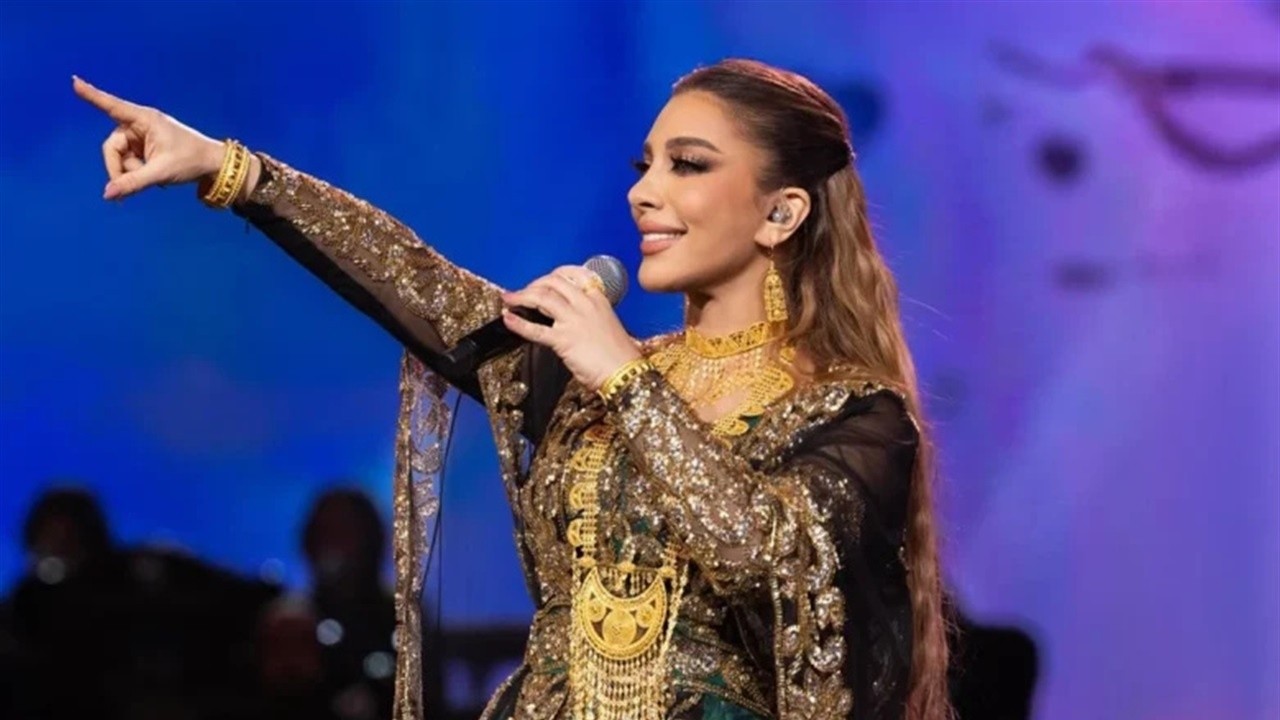
A campaign to tear down promotional billboards for Syrian singer Assala Nasri's upcoming concert has been witnessed in the Syrian capital, Damascus. A group of individuals removed the posters, denouncing the artistic event. Those behind these actions justified their stance by describing the concert as sinful, transforming the city's streets into a scene of public demonstrations rejecting such artistic activities. The concert is scheduled to take place on September 17th at Al-Fayhaa Hall, marking the Syrian artist's return after years away from her homeland. The online sphere has reacted markedly to this event, divided between supporters and opponents. While some view this move as part of a religious perspective that rejects mixing genders and singing, others consider it a restriction on personal and artistic freedoms. These events unfold within a context of recurring controversies in Syria, where numerous concerts have been cancelled or prevented before their staging in the recent past. Many opponents of artists link their objection to previous political stances, particularly concerning alignment with the former Syrian regime. Assala Nasri presents a unique case in this regard; she was among the staunchest critics of the former Syrian regime, yet at the same time, she performed famous songs that glorified its symbols with words of praise, making her position a subject of ongoing debate. This controversy is not new; previously, the religious preacher Mohamed Khair Al-Dahabi, an Egyptian national and leader of the "wearing the niqab" campaign, sparked wide debate on social media by criticizing the holding of Assala Nasri's concert, following a comment by the Syrian Minister of Culture regarding her hosting. In addition to political factors, another influence is emerging in the public sphere: the growing role of religious figures and clerics. Following the fall of the regime, the influence of this group expanded to encompass state institutions, with their religious directives becoming the reference for managing institutional affairs. This is evident across various sectors, from schools and ministries to the management of fishing resources, and through imposing restrictions on modest dress for female employees and workers in various government entities. This debate coincides with a general atmosphere characterized by hesitation and implicit acceptance of certain decisions. As an example, a sudden power outage occurred last month during a concert by Lebanese artist Marwan Khoury, held as part of the Damascus International Fair. No official explanation was issued at the time for the outage, and no objections were recorded from the audience, raising questions about the nature of permissible events and how they are managed in the current phase.