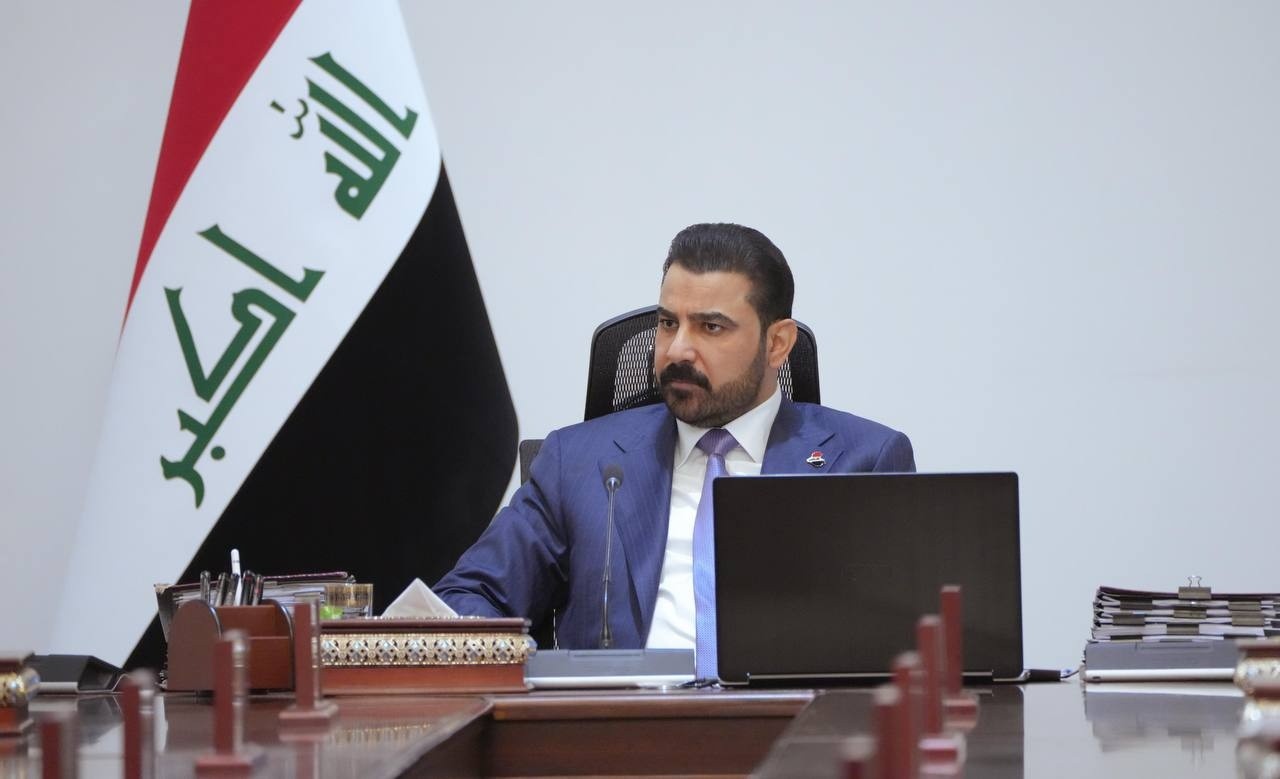
Cabinet Approves Nile Hyacinth Removal and Free Kerosene for Private Generators to Ensure 20 Daily Operating Hours
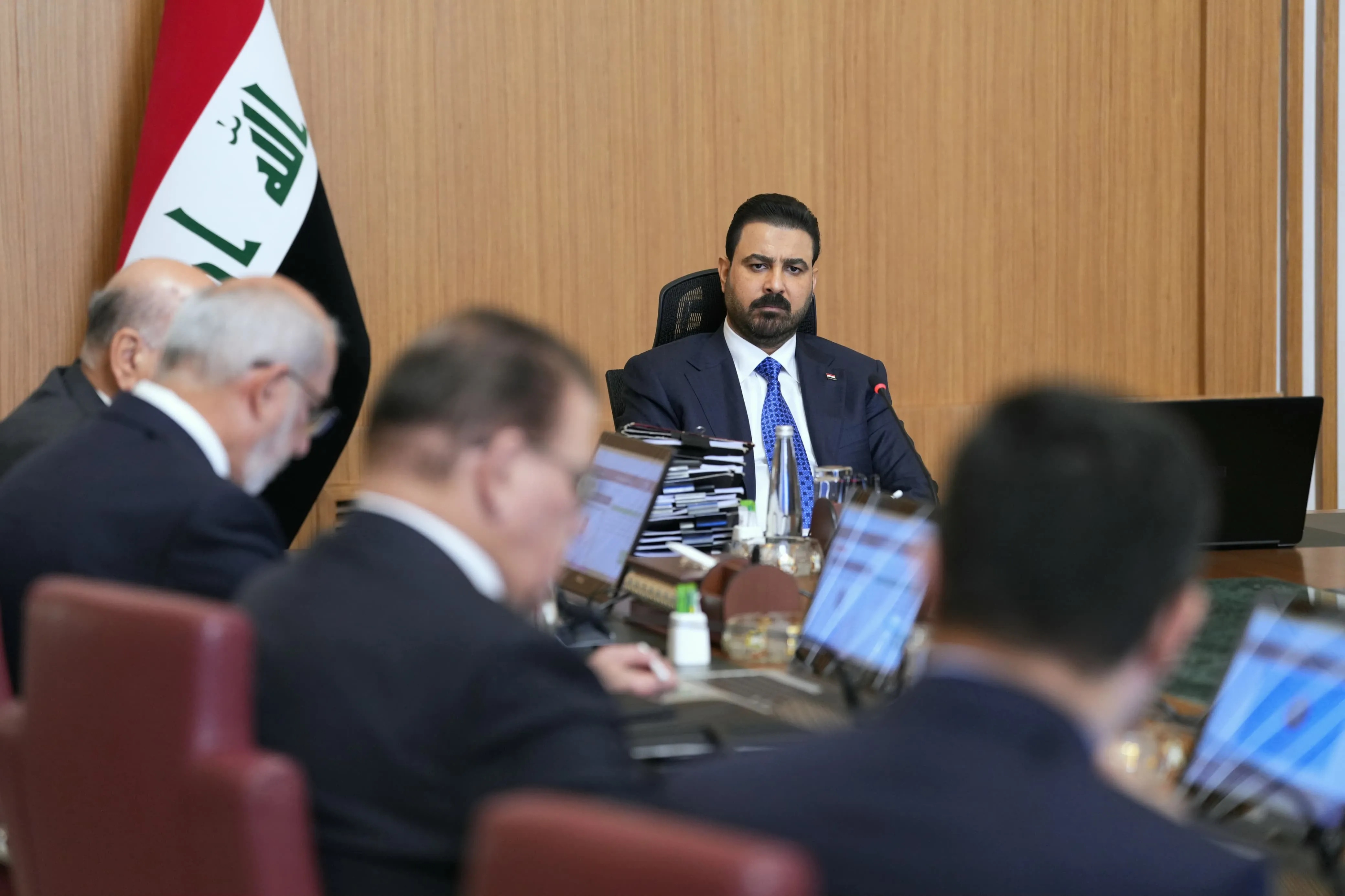
The Council of Ministers issued a series of decisions during its session held last Saturday evening, chaired by Prime Minister Ali Al-Zaidi. These decisions covered several vital areas, notably electricity services, environmental measures, and public spending rationalization. At the outset of the session, the Prime Minister directed ministries and relevant bodies to give increased attention to the electricity service file, focusing on maintenance, upkeep operations, and quick response to technical faults that may occur in the network during peak demand periods. The Council also stressed the need for effective solutions to the issue of pollution and protecting the waters of the Tigris River from the impact of untreated discharges. In this regard, the Council approved assigning the Ministry of Migration and Displaced to undertake Nile hyacinth removal efforts and address the effects of drought in areas that experienced internal migration due to water scarcity, the disappearance of tributary streams, and the impossibility of agriculture there. On the occasion of commemorating the martyrdom of Imam Hussein bin Ali bin Abi Talib, his children, and companions (peace be upon them), and the advent of the tenth of Muharram, the Council decided to suspend official working hours in all ministries and government institutions on Thursday, June 25th. As part of the government's efforts to enhance the level of electricity provision, the Council approved supplying private generator owners with gas oil (kerosene) free of charge at a rate of 45 liters per 1 K.V.A for the upcoming months of July and August, provided that the supply hours to citizens do not fall below 20 hours daily. The decision also included the possibility of supplying electricity from private generators for 12 hours daily, alternating with the national grid. Local governments in the provinces were authorized to set fair tariffs for one ampere supplied by private generators, with the Higher Committee for Coordination between Provinces tasked with establishing a monitoring and follow-up mechanism in coordination with the Ministry of Electricity and the National Security Agency. Within the framework of public spending rationalization measures, the Council approved the recommendation of the Ministerial Council for Economy regarding investment project contracts, which stipulated the following: Firstly, emphasizing the halt of all investment project contracts for ministries, non-affiliated bodies, and governorates, including change orders and components added to projects without direct relation to the original project, whose increase exceeded the prescribed limit of 25%. Secondly, for projects awarded or contracted but not yet started, companies are given the choice either not to commence until notified of the availability of appropriate allocation and funding, or to commit not to claim dues upon commencement until funding is available, with the option of direct amicable termination that incurs no compensation claims. This applies to all state institutions' contracts. Regarding oversight matters, the Council approved the draft law for the Federal Internal Oversight Commission and referred it to the Council of Representatives, based on the provisions of the Constitution. The Council of Ministers also approved withdrawing the fifth amendment bill to the Civil Aviation Law (No. 148 of 1974) from the Council of Representatives, which was issued by Cabinet Decision No. 24836 of 2024.
Masella Voice Team
You Might Also Like
Reconstruction and Development Bloc Returns to Parliament Sessions Following Referral of MP Al-Kilabi to Disciplinary Committee
9 hours ago
Federal Supreme Court Annuls Decision Banning Foreign Ownership and Investment in Iraq
9 hours ago