Turkey Explores Avenues to Regain F-35 Fighter Jets
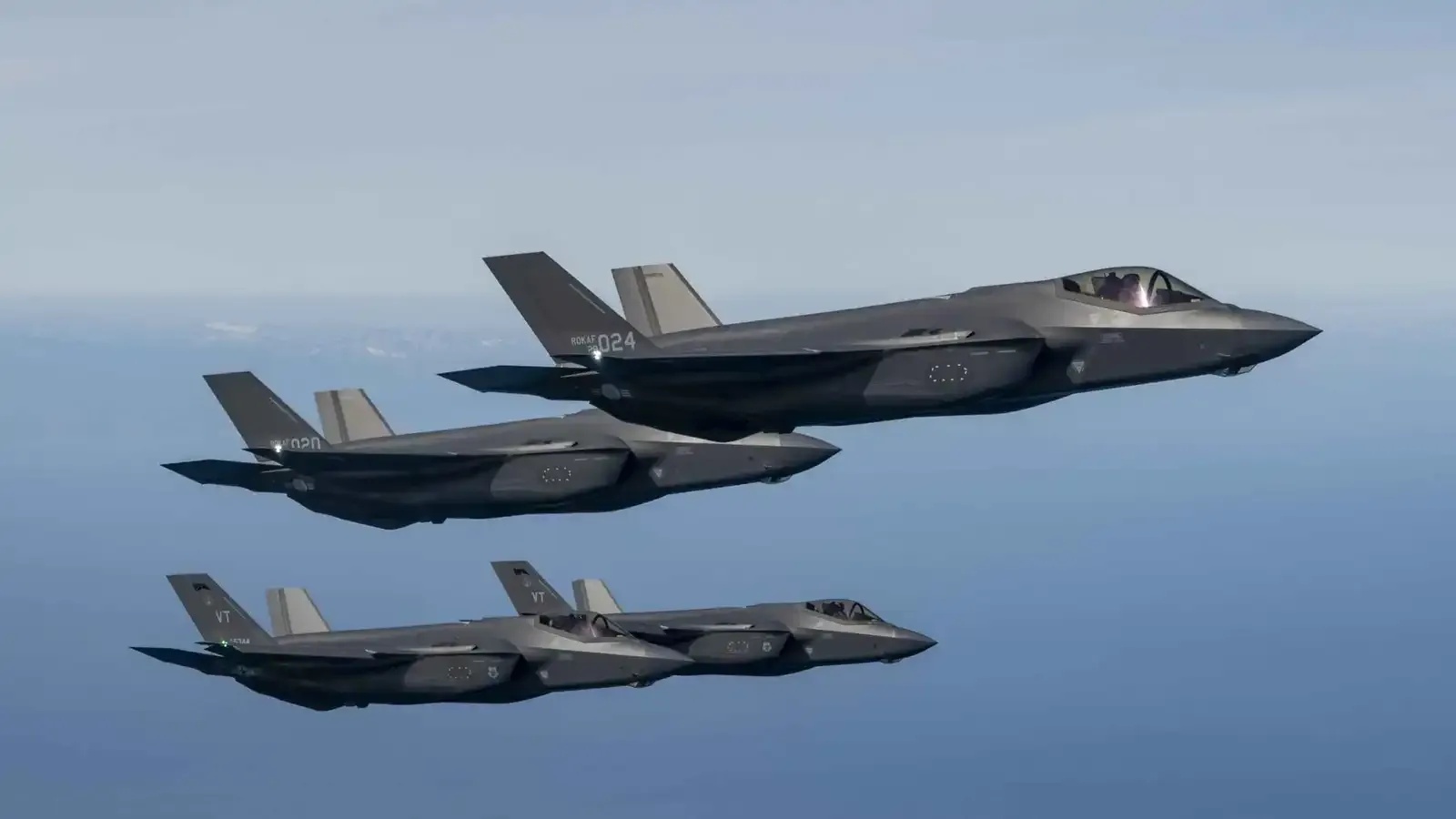
Ankara is currently working to overcome a major legal and security obstacle with the United States, namely its possession of the Russian S-400 air defense system, as part of its efforts to return to the F-35 fighter jet program. Turkey is exploring multiple options, including transferring the system's batteries to a third party or deactivating them entirely, with the aim of lifting the imposed US sanctions. President Recep Tayyip Erdogan is leveraging his direct relations with former US President Donald Trump to accelerate this process, despite strong opposition from some regional parties like Israel, which fears a shift in the regional balance of power. Trump had announced, during the recent NATO summit in Ankara, his intention to lift sanctions on Turkey and reconsider the sale of F-35 fighter jets to it. This move was described as a radical shift in US policy following a personal meeting between the two leaders. To implement this, Turkey must resolve the legal and security issues associated with the purchase of the S-400 system, with indications that practical solutions for its decommissioning are already being found, according to recent reports. In 2019, Washington excluded Turkey from the stealth fighter program, with the US Department of Defense (Pentagon) explaining at the time that integrating the S-400 system with F-35 fighter jets was impossible, fearing that Moscow could develop its ability to track advanced US aircraft. Consequently, Turkey, which was originally slated to acquire 100 F-35 aircraft and serve as a key supplier for over 900 program components, lost its opportunity to obtain these fighters. The "Countering America's Adversaries Through Sanctions Act" (CAATSA), enacted in 2017 to penalize countries that enter into security agreements with Russia, currently stands as the main impediment to Turkey's return to the program. US Secretary of State Marco Rubio affirmed last month that the US administration is bound by this law, posing a legal challenge to Erdogan's endeavors. According to ongoing discussions, proposed solutions include transferring the S-400 system's batteries to a third party or permanently decommissioning them. While no final decision has been made on this matter yet, intensive diplomatic efforts between the Turkish and US leaders point towards this new direction. Simultaneously, Erdogan is capitalizing on this momentum to reposition Turkey on the international stage. Officials indicate the country's growing importance due to its role in the Ukrainian war and its status as a vital transit hub for trade with Iran and around the Gaza Strip. Regionally, the reaction in Israel has been reserved but firm. Prime Minister Benjamin Netanyahu stated in an interview that the potential agreement would alter the military balance of power in the Middle East. Israeli opposition is rooted in the deteriorating relations with Erdogan since October 7, including his verbal attacks and the freeze on trade with Israel. Greece is also closely monitoring these developments, fearing a strategic imbalance in the Aegean Sea. Trump's move and Erdogan's response reveal the operating style of the current US administration, which prioritizes personal relationships and loyalty over institutional procedures. During NATO Secretary General Mark Rutte's talks with Trump in Ankara, proposals were made for billions of dollars in Turkish investments in security equipment and procurement, with a goal of allocating 5% of GDP to defense spending by 2035. The remaining challenge is twofold: overcoming legal hurdles in the US Congress, and ensuring that the United States does not appear to be "ignoring" the Turkish-Russian deal out of temporary diplomatic interests. The success of this move hinges on Ankara's ability to manage the S-400 system and provide sufficient security guarantees to reassure regional allies.