EU Proposes New Sanctions to Freeze Assets and Combat Migrant Smuggling
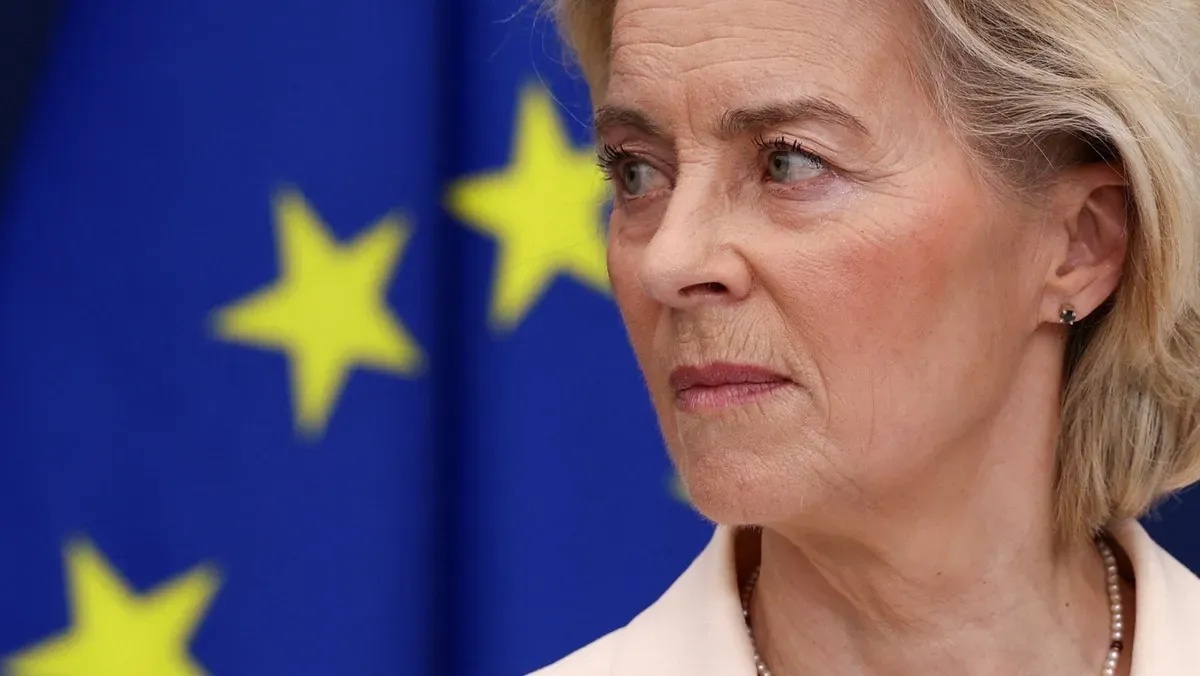
The European Union on Thursday proposed a new sanctions framework explicitly targeting migrant smugglers, individuals involved in human trafficking, and other forms of organized crime. These proposed sanctions include asset freezes and travel bans against offenders. In a statement, European Commission President Ursula von der Leyen affirmed a shared objective uniting efforts to combat migrant smugglers and human traffickers: to eradicate these activities and save the lives of thousands of people aspiring to a better life. She emphasized the necessity for European nations to determine who enters their territories and under what conditions. The activation of this proposal is contingent upon unanimous approval from the European Council. This announcement comes amidst intense discussions and a series of legislative actions aimed at reforming the EU's migration policy. These efforts seek to reduce irregular arrivals, expedite screening and deportation procedures, and limit the unauthorized entry of individuals into the bloc. The European Parliament had previously, after years of political disagreements, approved a comprehensive reform of migration policy designed to streamline deportation procedures and strengthen controls at external borders. These measures have drawn significant criticism from human rights organizations and non-governmental bodies in countries like France and Spain, with opponents arguing they are overly strict and undermine the protection of asylum rights and fundamental humanitarian principles. Europe's new Migration and Asylum Pact, a comprehensive legislative package adopted by the Union, introduces additional mandatory screening procedures at borders. It also accelerates procedures for individuals whose applications are likely to be rejected, such as those from countries deemed safe. The updated "Eurodac" database, described as the Pact's "digital backbone," will be utilized to record asylum seekers' data, including travel documents and fingerprints, enabling the tracking of their movements within the bloc. The updated rules also encompass providing support to EU member states that receive large numbers of migrants. This support takes various forms, including financial aid, the relocation of migrants between countries, or other types of financial and logistical solidarity. In a related context, Danish Prime Minister Mette Frederiksen, in previous statements, indicated the possibility of European countries establishing EU-funded deportation centers outside the bloc by next year. This comes amid a broader tightening of migration policy, driven by the rising influence of right-wing parties. Frederiksen, a longtime advocate for "return centers," clarified that efforts are ongoing to secure funding from the European Commission for such facilities in non-EU countries, according to prior reports. She further stated that a "coalition of willing countries," supported by the European Commission, would see the establishment of the first return center outside Europe between 2026 and 2027, expressing her belief that this could be achieved within the coming year.