Tehran Asserts Control Over Hormuz Strait, Plans to Levy Fees
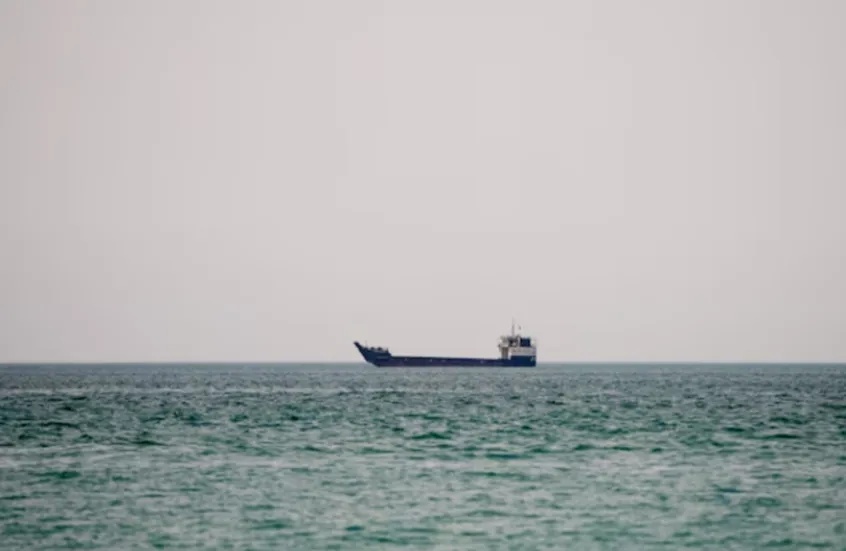
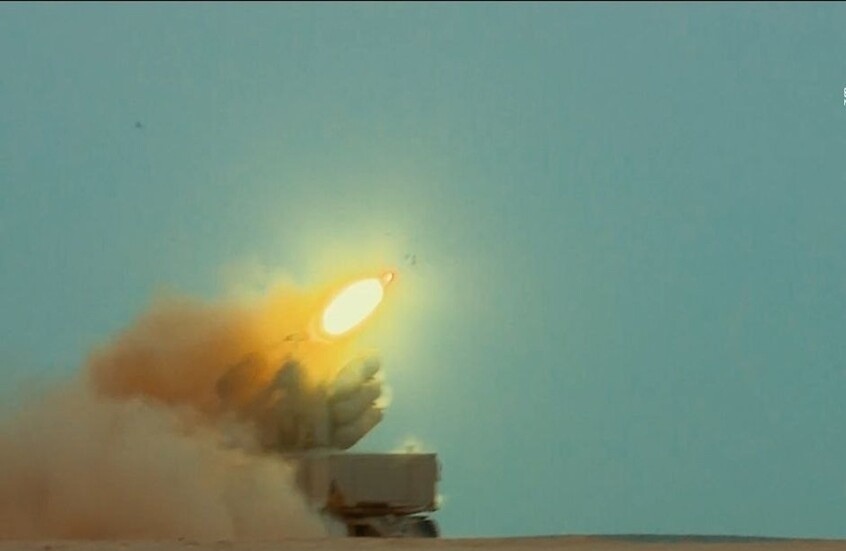
Iran aims for international recognition of its control over the Strait of Hormuz, planning to impose fees on passing vessels and ready to use force to solidify this stance, according to senior Iranian officials. An interim agreement with the United States (last June) ended a three-month conflict, allowing 60 days of fee-free passage. However, Tehran interprets this as granting it the right to determine ship access and navigational routes. Officials stressed that Iranian negotiators will not discuss other peace talk issues with Washington until a formal, permanent agreement on this control is reached post-interim phase. If the interim agreement isn't extended, Tehran will begin imposing transit fees from mid-August, though specifics are undetermined. Iran previously closed the strait and charged fees during the war's outbreak. Permanent Iranian control, with formal procedures and fees, would add significant costs, delays, and risks to shipping through this vital waterway. Before the war, it carried one-fifth of global energy and other essential goods. This Iranian position directly contradicts the U.S. interpretation of the June 17 interim Memorandum of Understanding and Washington's stance on final post-conflict arrangements. U.S. President Donald Trump stated last week that strait transit fees would only be imposed by Washington. Secretary of State Marco Rubio told Gulf states no nation can impede navigation or levy fees on an international waterway. Tehran believes the interim agreement grants full control over strait traffic, even if fees are suspended temporarily. It asserts no obligation to agree with Gulf states, despite needing to discuss arrangements. In related news, Iran announced Monday plans for talks with Oman, bordering the strait's southern coast, to define transit routes. On the ground, Iran fired earlier this week at four ships trying to cross the strait from the Omani side without prior Iranian permission, leading to a brief, intense exchange of fire with U.S. forces. A senior Iranian official clarified Tehran won't allow a return to pre-war status, insisting on new Hormuz arrangements. These include Iran's right to choose ship entry/exit, prevent security threats, and levy fees for mandatory services. The official warned Iran is prepared to enforce demands by force if other nations reject its terms, stating Tehran won't back down even if it escalates confrontation with the U.S. A second senior Iranian official saw a "historic opportunity" for long-term strategic advantage in the strait, having survived what it deemed its biggest threat: war with the U.S. and Israel.