Israeli UN Envoy Affirms US Decision Behind War on Iran
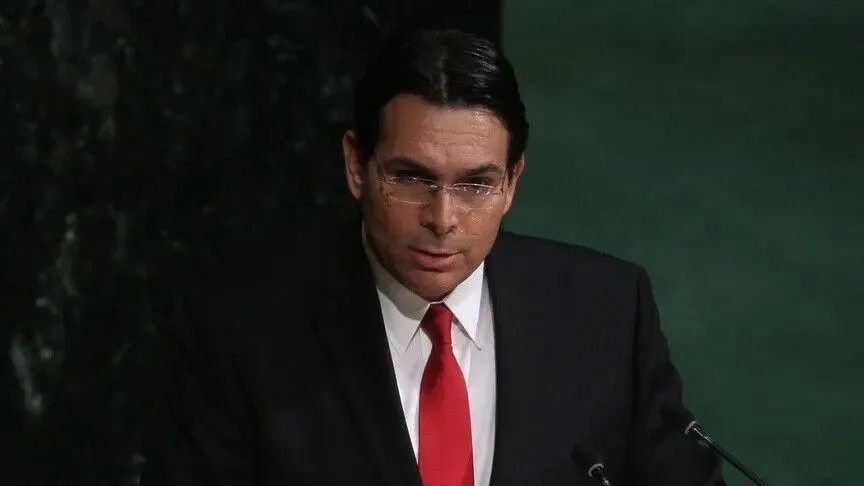
Israeli UN envoy Danny Danon stated that the decision to wage war on Iran was made by the United States, not Israel, considering it unjustified to hold Israel responsible for the economic repercussions of the conflict. This was expressed during an interview with the Israeli channel i24NEWS, where Danon commented on remarks by U.S. Vice President J.D. Vance linking the Republican Party's loss in the midterm congressional elections to the war on Iran, amid calls to reassess U.S.-Israel relations. Danon noted that associating rising prices, especially oil prices, with the situation in Israel is unfortunate, emphasizing that the decision to attack Iran was taken by the U.S., and Israel supported this move, viewing it as correct. Regarding the possibility of a U.S.-Iran agreement, Danon said the decision lies with President Donald Trump, affirming that Israel will always take necessary measures to protect itself as it has done in the past. He claimed that Iran threatens not only Israel but also American interests in the Middle East, including embassies and U.S. personnel. The U.S. and Israel began a war on Iran on February 28, followed by a ceasefire in April without reaching a final peace agreement, amid ongoing tensions and fears of renewed conflict. The U.S. Vice President had indicated that the war on Iran was the main reason for the Republican Party's defeat in the Tuesday elections, which resulted in Democrats controlling both the House and Senate. American investigative reports in March revealed that the Israeli Prime Minister urged Trump in a phone call before the war to seize an intelligence opportunity to assassinate Iranian Supreme Leader Ali Khamenei. Recent reports also showed Netanyahu pressured Trump to resume military attacks on Iran after the midterm elections. Regarding the U.S. election results, Danon observed that a vocal minority of anti-Israel politicians increasingly dominate American political discourse, despite continued bipartisan support for the U.S.-Israel alliance. He acknowledged that the upcoming period will be more challenging but confirmed ongoing cooperation with various American political factions, specifically criticizing newly elected Michigan politician Abdulrahman Al-Sayed, who opposed U.S. military funding for Israel. On military aid, Danon addressed Trump's announcement to end annual U.S. assistance to Israel, suggesting future defense cooperation might shift toward joint investments, citing the "Iron Dome" system as beneficial to both countries. He stated that Israel will invest its funds, and the U.S. will invest its own, without providing further details. Danon expressed confidence that Washington will continue to use its veto power in the UN Security Council to protect Israel, despite increasing challenges within the U.S. Congress. Last week, Trump announced that the U.S. will cease financial aid to Israel by the end of the year, according to an agreement with the Israeli Prime Minister.