Iraq Deepens International Judicial Cooperation to Prosecute Terrorists, Document ISIS Crimes, and Enhance Partnerships
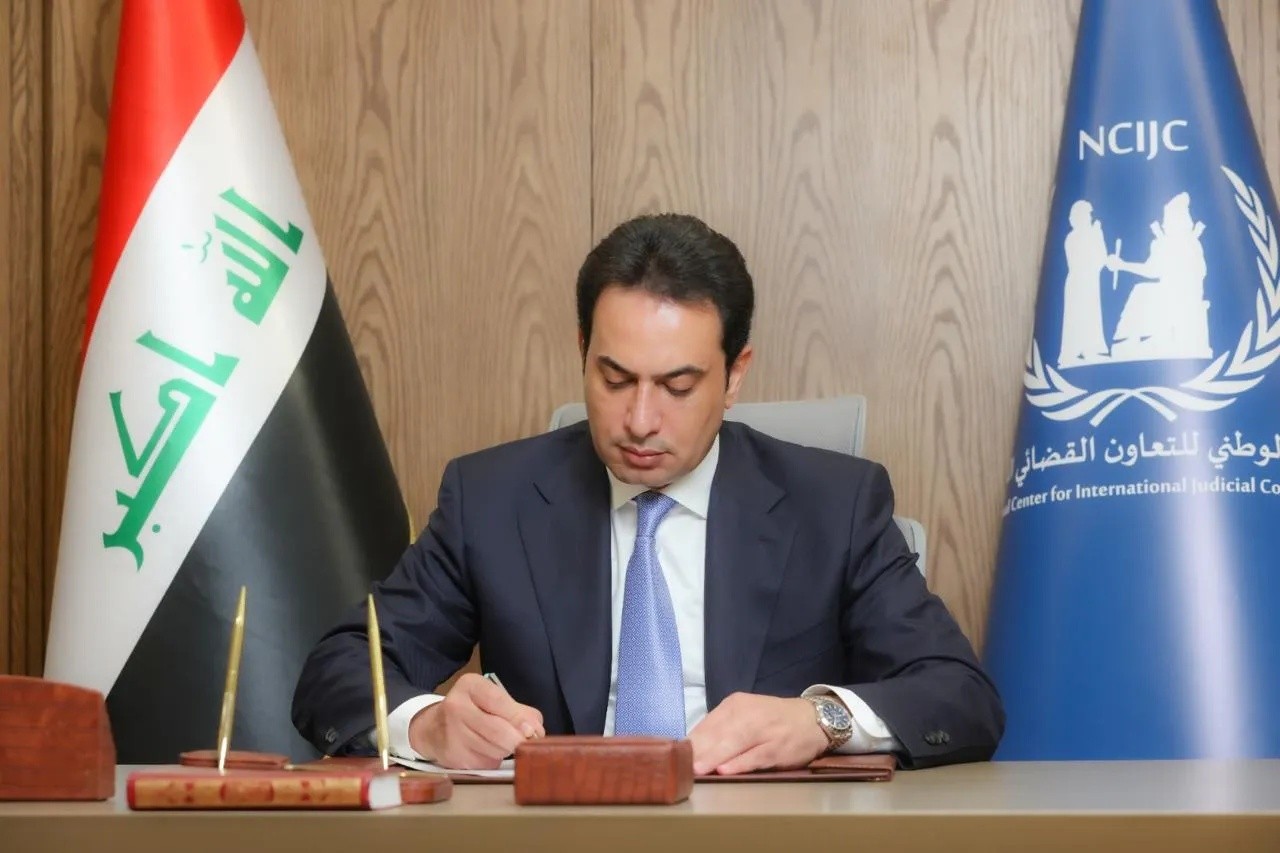
Judge Ali Hussein Jafat, head of the National Center for International Judicial Cooperation, revealed the center's pivotal role in documenting the crimes of the ISIS terrorist organization, supporting the prosecution of international fugitives, and strengthening cooperation with partner countries. Judge Jafat clarified that the National Center for International Judicial Cooperation is one of the formations of the Supreme Judicial Council and functions as the central authority responsible for coordinating judicial cooperation in counter-terrorism, organized crime, and international cases. It also serves as the primary point of contact between the Iraqi judiciary and international partners. He added that the center's tasks include receiving and following up on requests for cooperation and legal assistance, as well as collecting, preserving, archiving, and analyzing evidence. Its work involves exchanging evidence and information according to established legal frameworks, and providing judicial and technical support. The center also aims to build international partnerships and develop national capabilities in investigation, digital forensics, and documentation. Jafat pointed out that the human rights file constitutes a fundamental track in the center's work, especially concerning victims and survivors of terrorist crimes. The center works to communicate with survivors, document their information, and coordinate with specialized courts to enable them to testify, while adhering to principles of confidentiality, privacy, safety, and dignity, and avoiding causing them further harm. The center also undertakes the preparation of studies and reports related to terrorism and extremism, and develops work tools that assist competent judicial authorities in dealing with complex and multinational cases. Judge Jafat stated that the center acts as a crucial link between the Iraqi judiciary and judicial and legal bodies in other countries, with the aim of transforming international cooperation from mere exchange of correspondence into an organized and effective judicial pathway. He reported that the center receives requests for assistance and cooperation from relevant authorities in other countries, in accordance with law, agreements, and adopted frameworks, noting that this path has witnessed significant development with the establishment of direct communication channels with international judicial bodies. He explained that this cooperation culminated in the signing of a strategic working arrangement between the Supreme Judicial Council, represented by the National Center, and the European Union Agency for Criminal Justice Cooperation (Eurojust) in The Hague, in June 2026. Consequently, Iraq became the tenth non-EU country to conclude a working arrangement with the agency. He affirmed that this step aims to accelerate and develop cooperation, information exchange, and support the prosecution and extradition of fugitives in cases of an international nature. He clarified that combating terrorism and documenting the crimes of ISIS gangs represent core axes of the center's work, but the scope of judicial cooperation is not limited to these crimes, given the transnational nature of modern crime. He added that the center deals, within its jurisdiction, with files related to international organized crime, drug trafficking, money laundering and terrorist financing, internationally wanted persons, and serious international crimes, in addition to requests for legal assistance and the exchange of evidence and information. He pointed out that the center has established and developed a comprehensive, secure, and searchable archiving system, which allows for the preservation of digital evidence and physical documents, including battlefield evidence and information related to terrorist crimes. This system facilitates the retrieval of such evidence and its linking to investigations when needed, thereby preserving its legal value and supporting its use before competent judicial authorities. The center emphasized its special attention to witnesses and survivors of terrorist crimes, having prepared the "Guidance Manual for Dealing with Survivors of Terrorism." This manual aims to provide an organized framework for engaging with them during communication and documentation processes, ensuring the preservation of their dignity, privacy, information security, and identity, and guaranteeing that their rights are respected when their testimonies are documented and used in judicial proceedings. As a practical example of this effort, Jafat stated that the center, by auditing archived data and matching available information in the national database, was able to reach a large number of Yazidi female survivors and link their data to relevant cases and information. Among these cases, Jafat explained that a survivor linked to a case pending before the Basic Court in Pristina, Kosovo, was identified. Her testimony was judicially heard via video conference, in coordination with the Karkh First Investigative Court and in the presence of the competent judge, making her testimony part of the international judicial cooperation process related to the case. **Tangible Achievements and Broad International Cooperation** Regarding the center's most prominent achievements since its establishment, Jafat reported that they are measured on two levels: internal institutional capacity building and achieving tangible judicial results internationally. On the institutional level, Iraq's reception of 5,704 alleged members of ISIS terrorist gangs from Syrian prisons, representing 67 countries, posed a significant challenge for the judicial system and mechanisms of data management and international coordination. He stated that the Karkh First Investigative Court, specializing in terrorism cases, commenced interrogation procedures against them immediately upon their arrival to take necessary legal action. He pointed out that this file highlighted the distinct role and fundamental value added by the center through consolidating pathways that previously required coordination among multiple entities into a specialized central judicial contact point. This is particularly evident, according to Jafat, in the evidence file related to ISIS crimes after the end of UNITAD's mandate. A permanent Iraqi judicial authority is now responsible for completing the process of collecting, preserving, archiving, updating, and cooperating on evidence with countries, instead of this work being linked to a fixed-term international mission. The judge indicated that this file represents a unique model in terms of size and complexity, due to its connection with thousands of defendants and dozens of nationalities, which contributed to the development of mechanisms for information management, archiving, analysis, and coordination with foreign judicial and diplomatic bodies. On the international level, within a short period, there was a transition from building relationships to achieving actual results through cooperation and the exchange of evidence and information, whether in preventing terrorist crimes, supporting investigations outside Iraq, or prosecuting wanted persons and organized crime networks, as well as advancing to a sophisticated institutional level of partnership with Eurojust. **Multiple Pathways for Judicial Cooperation** Judge Jafat emphasized that the National Center for International Judicial Cooperation possesses multiple avenues of cooperation with several countries and international judicial bodies. Cooperation with each country is not limited to a single case but encompasses several files, requests for assistance, and the exchange of information and evidence according to the nature of each case and the adopted legal frameworks. He cited several prominent examples that have been officially announced, including Spain, where judicial cooperation covered several files. Among its most notable results was providing Spanish authorities with information and evidence that contributed to the arrest of two individuals suspected of involvement in terrorist activities during operations carried out by the Spanish National Police in the cities of Cartagena and Ferrol. In Germany, cooperation is ongoing in more than one file and case related to counter-terrorism. According to Jafat, among the most significant results was the exchange of highly important information and evidence between both sides, which contributed to thwarting a terrorist plot in Hamburg that was in advanced preparatory stages and aimed at attacking civilian gatherings. The information supported monitoring and investigation procedures, enabling the German side to take necessary measures to prevent the attack before its execution. He explained that in Sweden, cooperation extends to several files related to transnational organized crime. Among the most notable is the cooperation between the center and the Swedish Public Prosecution Office, which, in coordination with competent law enforcement forces and after obtaining judicial approvals, led to the arrest of several prominent members of organized crime networks with direct influence in Sweden. The case concluded with a life imprisonment sentence. He further stated that in Australia, judicial cooperation covers several cases and files. One of the prominent examples is the case of the convicted Kazem Malik Hamad Rabah Al-Hajjami, where the formal request for cooperation led to judicial proceedings against him in Iraq for crimes related to drugs and organized crime. The case concluded with a life imprisonment sentence against him and the confiscation of his movable and immovable assets. He added that in the United States of America, international judicial cooperation contributed to identifying one of those involved in instigating the terrorist attack that occurred in New Orleans in January 2025, which resulted in the deaths of 15 people and injuries to 30 others. He further elaborated that the efforts of the National Center for International Judicial Cooperation, based on investigations conducted by the Karkh First Investigative Court, contributed to identifying and apprehending the suspect in Iraq, due to his proven affiliation with what is known as the (Foreign Operations Office) of ISIS terrorist gangs, and taking legal action against him in accordance with the Counter-Terrorism Law. **Challenges and Future Visions** Regarding the main challenges faced by the center, its head explained that the primary challenge is that transnational crime does not adhere to the jurisdictional boundaries of a single state. The accused might be in Iraq, the evidence in a second country, and the victim or witness in a third, while other parts of the investigation are distributed among multiple judicial authorities. He added that this is accompanied by differences in legal systems and legislations, the volume of digital evidence, multiple languages and nationalities, confidentiality of investigations, data and evidence protection requirements, and the necessity to protect witnesses and survivors, all while maintaining prompt response to international requests. He affirmed that the center continuously works to develop mechanisms for managing evidence and information, expand direct communication channels with counterpart entities, invest in digital tools and specialized training, and establish long-term institutional cooperation frameworks. He believes that the working arrangement with Eurojust exemplifies the transition from case-by-case cooperation to a sustainable institutional cooperation structure. Regarding the vision for the next phase, Jafat stated that it stems from transforming the experience gained by the Iraqi judiciary in dealing with terrorism and complex crimes into a sustainable institutional capacity in the field of international judicial cooperation. He added that the center aspires to expand its network of judicial partnerships with countries and international institutions, continuously develop its capabilities in managing digital evidence, accelerate mechanisms for legal assistance and evidence exchange, and complete the work related to documenting the crimes of ISIS terrorist gangs, while reinforcing an approach that places the rights, dignity, and protection of victims and survivors within the path of justice. He concluded his statement by affirming that the ultimate goal is to solidify the center's role as the gateway for Iraqi judicial cooperation with the world, building on its achieved partnerships and practical results in exchanging evidence and information and supporting cross-border investigations and prosecutions. The center also looks forward, according to Jafat, to expanding this role and developing its tools and mechanisms and strengthening its network of international partnerships, thereby further solidifying Iraq's position as an active partner in the international judicial cooperation system, and contributing more significantly to combating transnational crimes, promoting accountability, and achieving justice.
Masella Voice Team
You Might Also Like
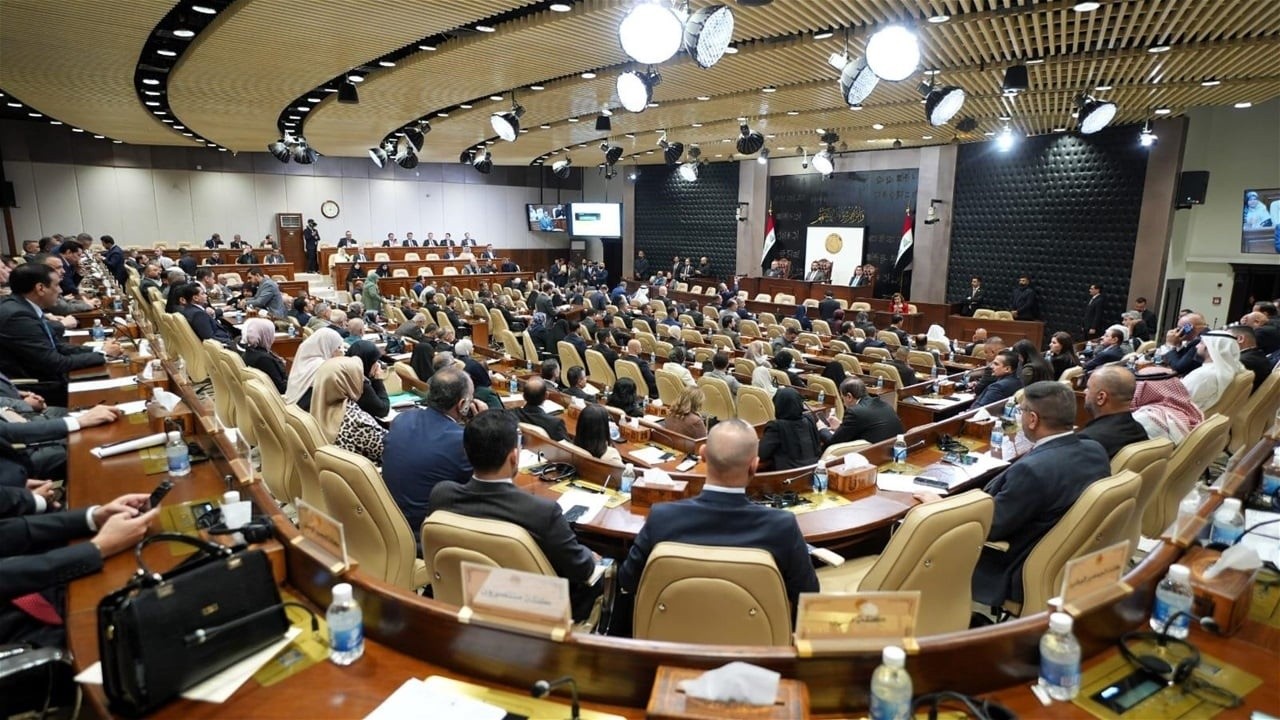
Reconstruction and Development Bloc Returns to Parliament Sessions Following Referral of MP Al-Kilabi to Disciplinary Committee
7 hours ago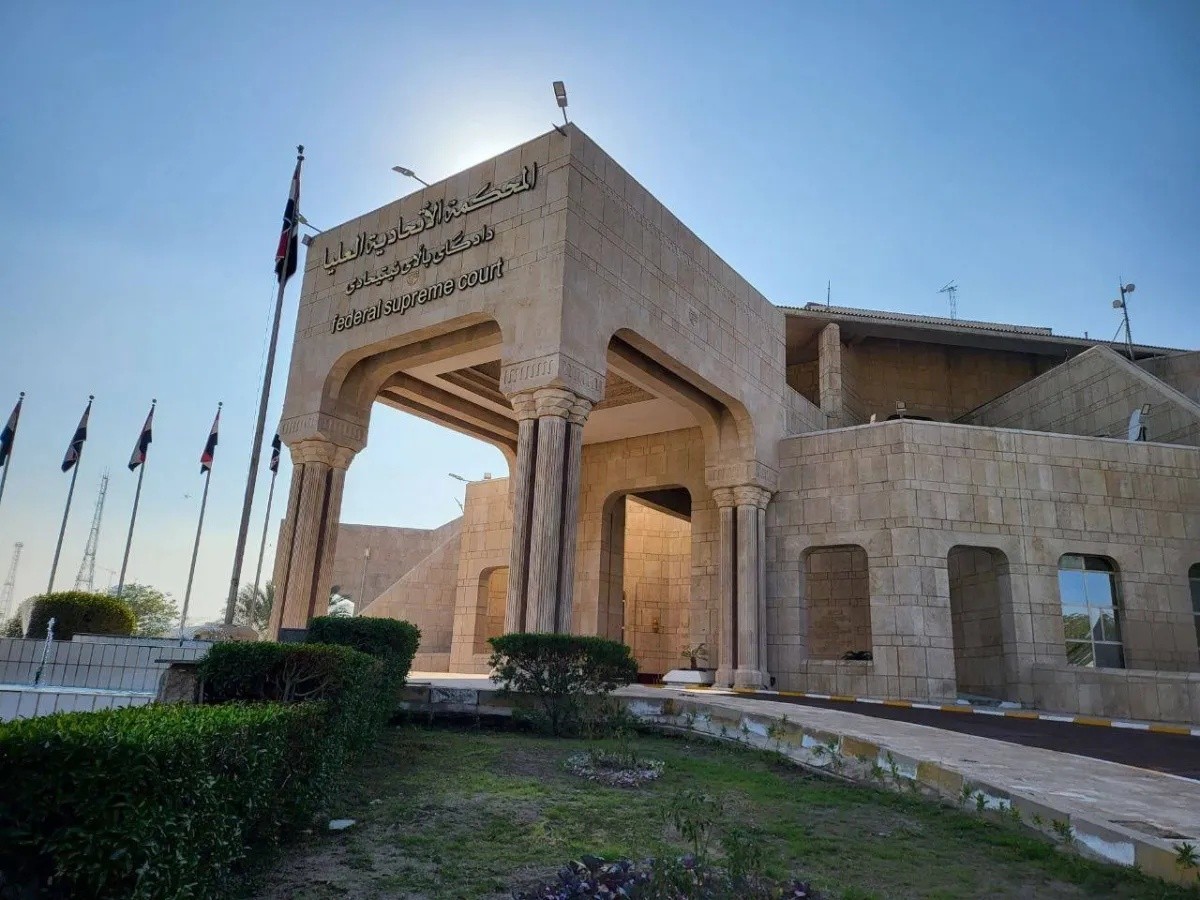
Federal Supreme Court Annuls Decision Banning Foreign Ownership and Investment in Iraq
7 hours ago