Iranian Oil Exports Halt for Sixty Days Amid U.S. Naval Blockade
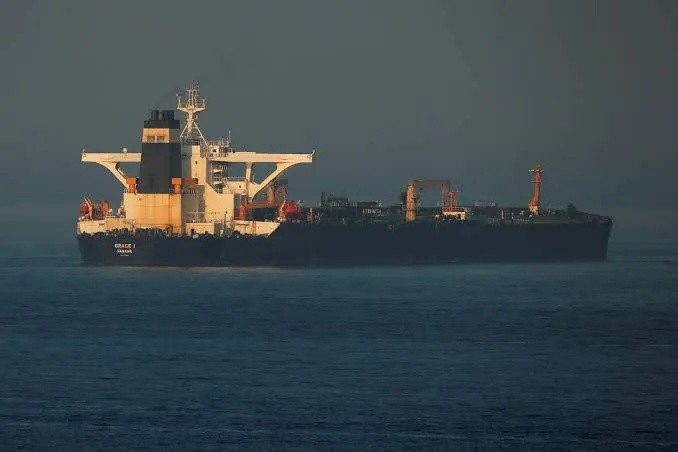
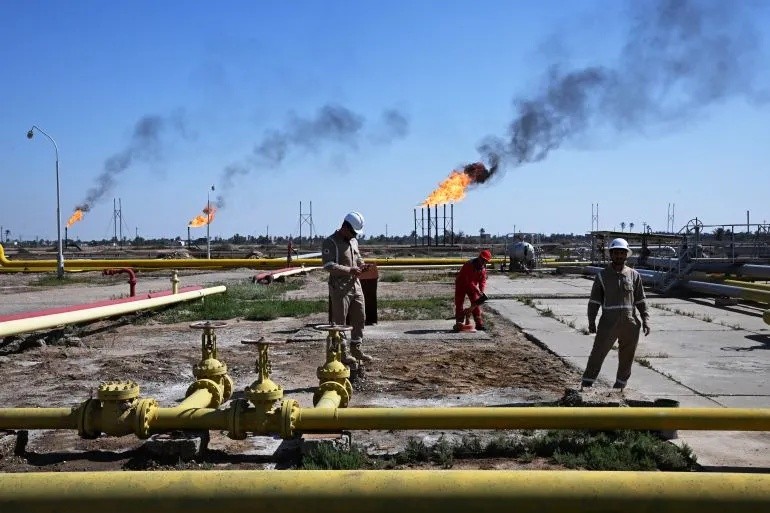
Iranian crude oil exports have virtually vanished from the international market, a direct result of the stringent U.S. naval blockade, escalating sanctions, and months of attacks. These actions have severely hampered Tehran's ability to transport its oil via the Gulf of Oman to global markets. Shipping tracking data indicates that no Iranian crude oil barrel has crossed the U.S. naval blockade line between the Gulf of Oman and the Arabian Sea for the past sixty days. Separate reports confirm that this blockade, targeting Iran-linked shipping, has effectively halted Iranian oil exports since its re-imposition in mid-July. The U.S. Central Command stated that the blockade specifically targets shipping associated with Iranian ports, with the primary goal of cutting off Tehran's oil exports while ensuring freedom of navigation for other commercial traffic in the Gulf region. Interestingly, this collapse in exports has not led to a massive storage surplus, which would typically be expected when a major producer suddenly loses access to foreign buyers. Estimates suggest that Iranian crude oil production has significantly decreased, nearing the level required for domestic consumption and refining, leaving only a relatively small quantity of oil for storage. This indicates that the halt in exports has been accompanied by a noticeable decline in production, rather than merely an accumulation of barrels within Iranian ports. The naval blockade constitutes just one facet of the United States' efforts to restrict Iran's oil revenues. Over several months, the U.S. Treasury Department has intensified its campaign, targeting Iran's unofficial fleet, oil traders, shipping companies, financial intermediaries, and international buyers. In April, sanctions were imposed on China's Hengli Petrochemical refinery and approximately forty shipping companies and vessels, with the U.S. asserting that this network provided a financial lifeline to the Iranian oil industry. The department then expanded its campaign in July against the shipping empire linked to Mohammad Hussein Shamkhani, identifying over fifty individuals, companies, and vessels involved in Iranian oil trade and sanctions evasion. Washington did not stop there, further escalating its campaign in August through "Operation Economic Outcast," extending sanctions to include the shipping sector and other areas, targeting networks accused of transporting Iranian crude oil and petroleum products. In this context, the U.S. Treasury Department issued direct threats to vessels it claimed had transported millions of barrels of Iranian oil to China and other global markets. The department continued its campaign throughout September, noting that these expanded operations aim to sever the financial channels utilized by Iran for oil smuggling and sanctions circumvention. This mounting pressure comes at a time when oil remains one of Iran's primary sources of foreign exchange revenue, with the U.S. Treasury Department repeatedly describing Iranian oil sales as a vital financial lifeline for the government and military. The naval blockade has brought about a radical shift in the economics of Iranian oil exports. While Iran can still produce crude oil and supply its domestic refineries, transporting additional barrels into international waters has become a significant challenge. Oil tankers now face increased risks, including interception, attack, and exposure to sanctions, in addition to the potential loss of insurance or financial services. This explains Tehran's growing reliance on unconventional shipping arrangements and attempts by some Iran-linked vessels to conceal their movements. The pressure has not been limited to oil exports but has also extended to broader Iranian maritime trade. On September 10, Tehran temporarily suspended the 10% shipping fees imposed on foreign vessels transporting oil, gas, and petroleum products to and from Iran. This measure was implemented to reduce shipping costs and encourage foreign vessels to continue serving Iranian trade amidst the imposed U.S. naval blockade.