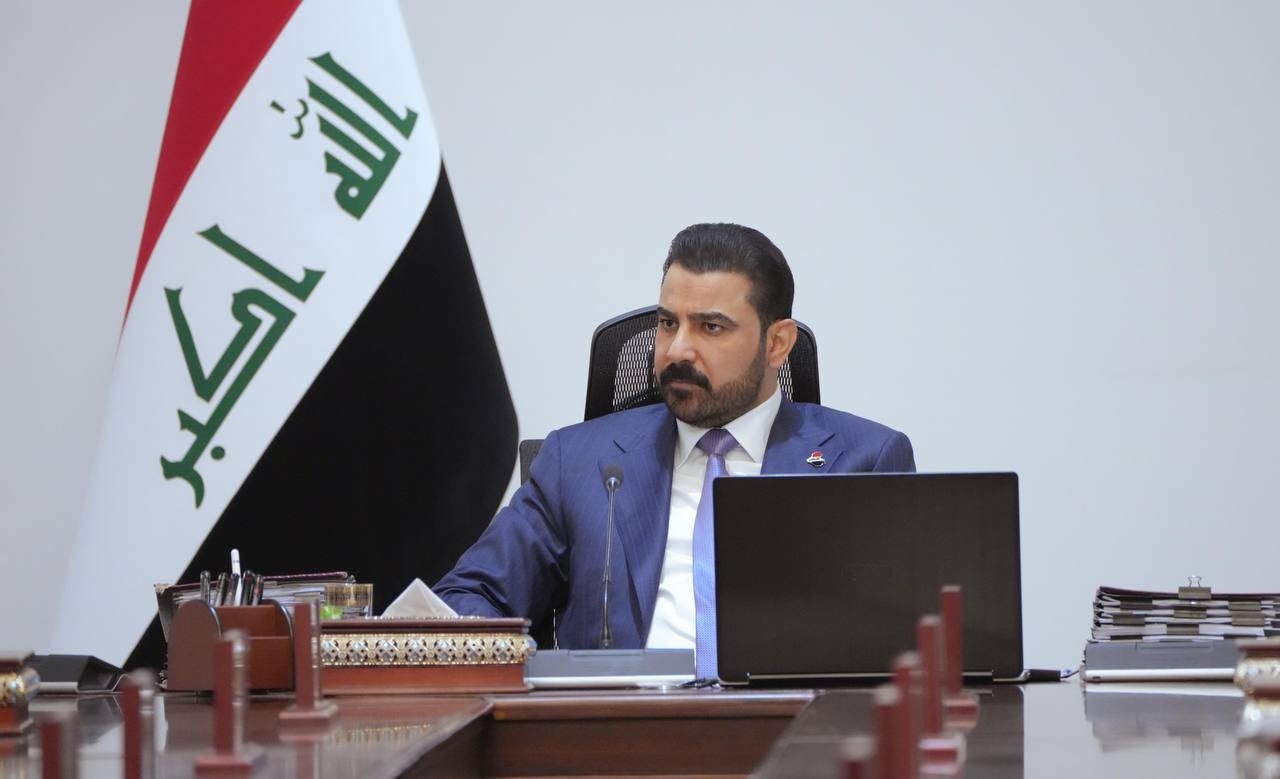
Iranian Foreign Minister Links Hormuz Stability to Ending American Interventions
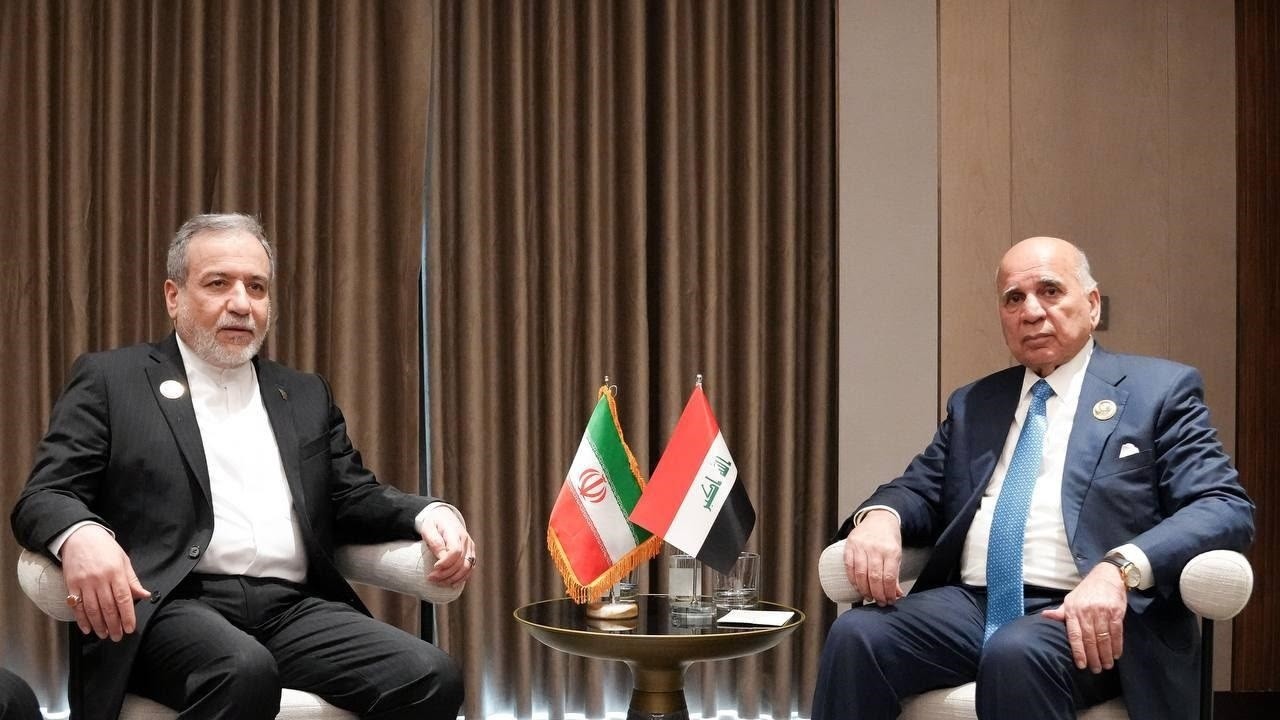
Iranian Foreign Minister Abbas Araghchi stated on Sunday that restoring security and stability to maritime navigation across the Strait of Hormuz depends directly on halting hostile and interventionist American actions, in accordance with Iran's designated seven-stage initiative, while simultaneously warning against exploiting allegations regarding targeting Mecca and Medina to sow division within the Organization of Islamic Cooperation. Araghchi delivered these remarks during talks in Baghdad with Iraqi counterpart Fuad Hussein, on the sidelines of attending the 52nd session of the Council of Foreign Ministers of the Organization of Islamic Cooperation. The Iranian minister expressed appreciation to Iraq for hosting and organizing this gathering, voicing hope that Baghdad's current tenure presiding over the ministerial council would generate meaningful initiatives reinforcing the organization's influence in addressing crucial matters confronting the Islamic world. He underlined that Islamic nations must allocate greater priority to unified central concerns, foremost among them the Palestinian issue, particularly amid ongoing territorial expansionism and conflict instigation across the region by the Zionist entity, calling for deeper solidarity and constructive dialogue among Islamic societies to settle differences and collectively confront mounting perils. Araghchi held the United States and the Zionist entity fully accountable for prevailing maritime security escalations in the Strait of Hormuz and their adverse economic repercussions regionally and globally, characterizing these developments as direct outcomes of American-Israeli military aggression against his country. The Iranian top diplomat reiterated Tehran's readiness to assist in reviving security throughout the strait, conditioned upon Washington terminating its aggressive and interventionist policies under Iran's seven-point proposal, stressing Tehran's dedication to diplomatic avenues to prevent escalation and resolve outstanding issues, while asserting that Iran will decisively counter any threat endangering its national security and interests alongside continuing diplomatic efforts to establish regional peace. Regarding Yemen, both ministers examined developments across the Arabian Peninsula and explored paths to end ongoing hostilities, as Araghchi asserted that resolving the Yemeni conflict cannot be accomplished through military means or blockades, urging all parties to heed the experiences of the preceding decade. He called for a resolution grounded in the United Nations Charter that safeguards Yemen's territorial integrity, sovereignty, and humanitarian rights, expressing Tehran's willingness to support dialogue among relevant parties. Addressing claims concerning potential strikes on Mecca and Medina, Araghchi emphasized preserving sacred Islamic sites, citing official denials issued by the Yemeni army refuting such allegations. He cautioned against leveraging inaccurate claims to divide Islamic countries, noting they should never undermine OIC cohesion. The discussions concluded with reviewing bilateral relations, enhancing economic, trade, and security cooperation, and assessing diplomatic pathways to achieve peace.
Masella Voice Team
You Might Also Like
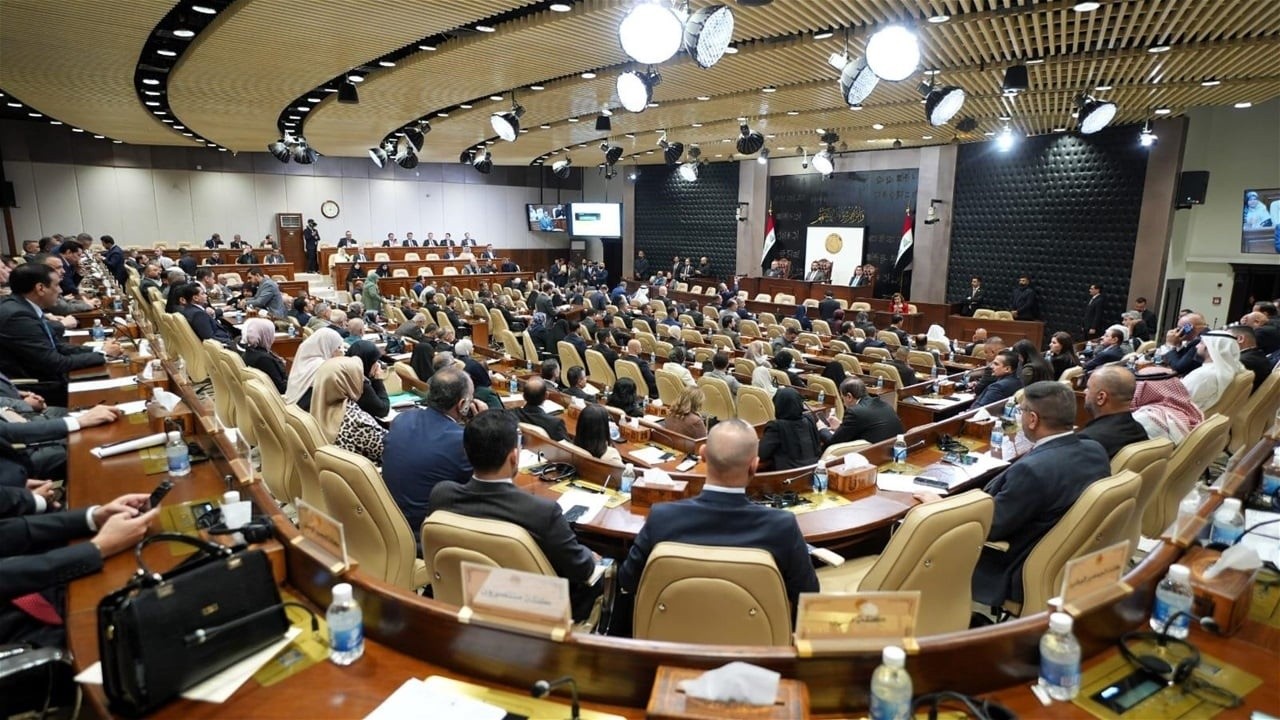
Reconstruction and Development Bloc Returns to Parliament Sessions Following Referral of MP Al-Kilabi to Disciplinary Committee
6 hours ago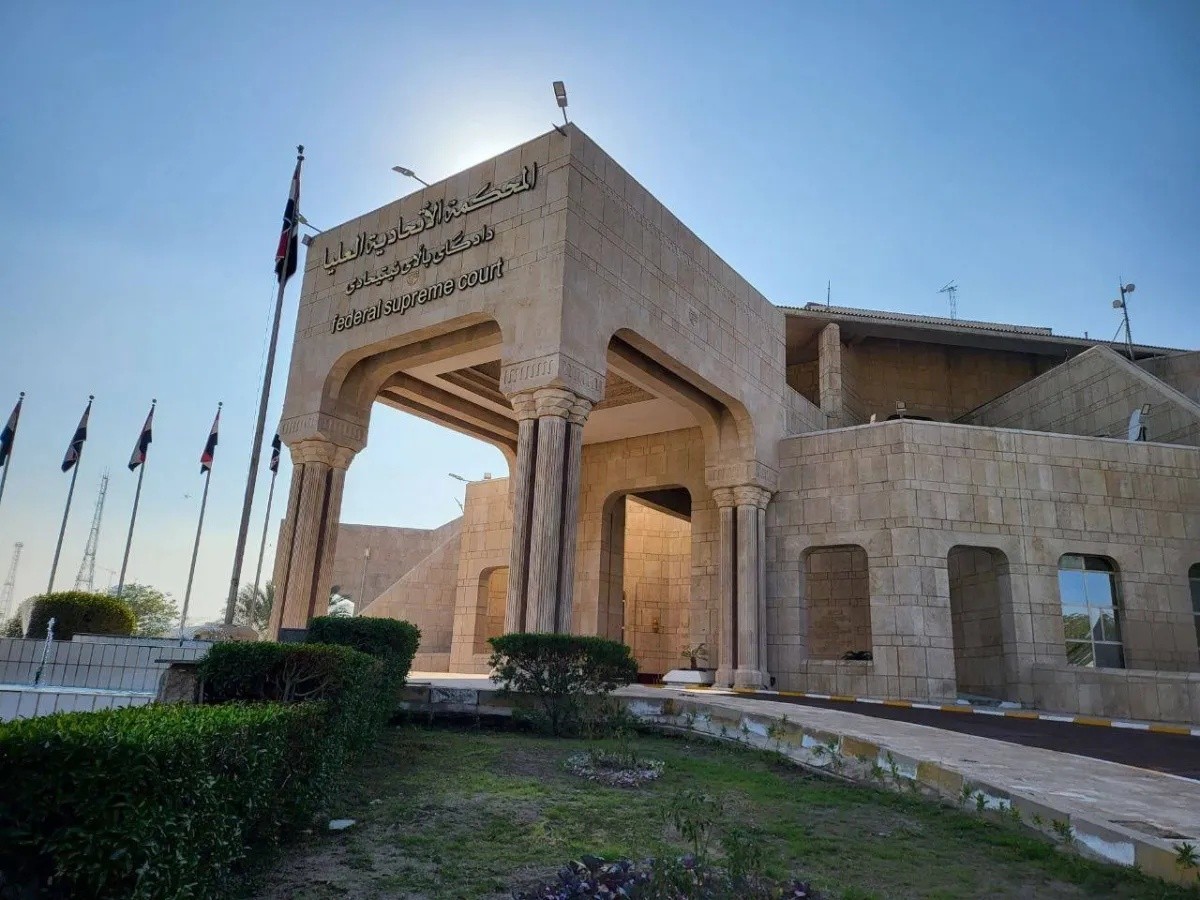
Federal Supreme Court Annuls Decision Banning Foreign Ownership and Investment in Iraq
6 hours ago