Interstitium tissue cushion protects body organs supporting role cancer
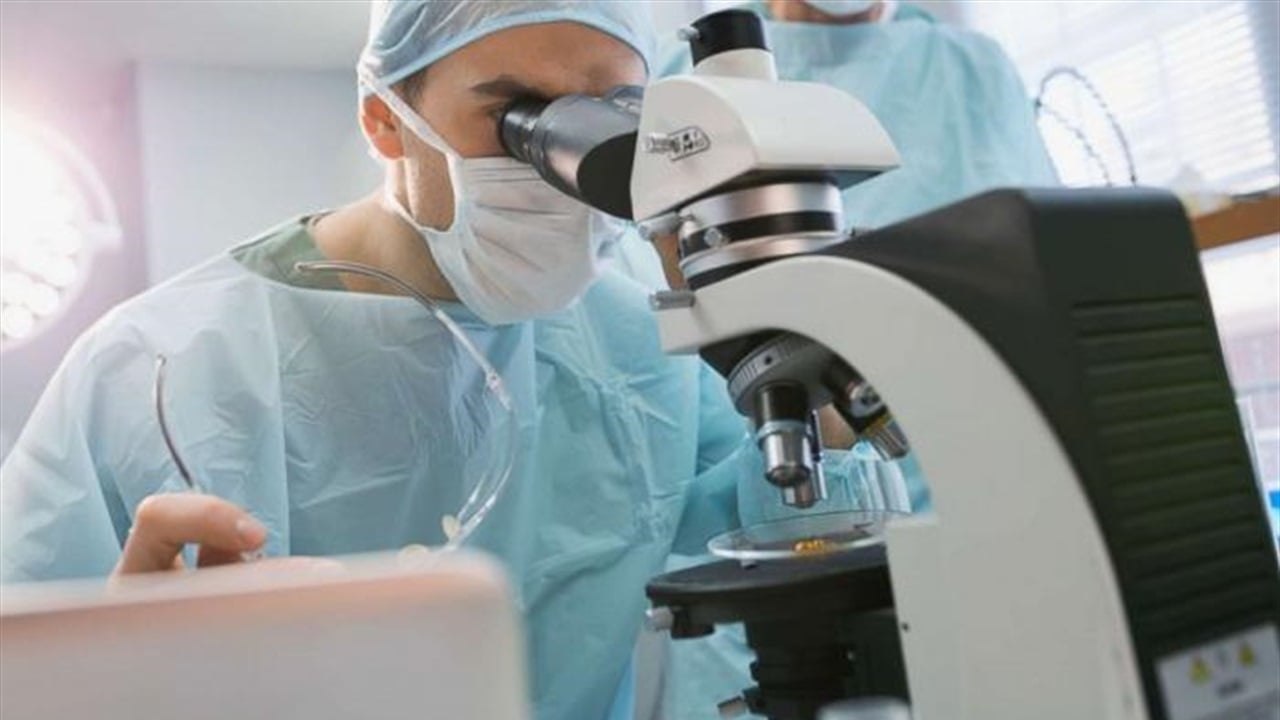
In an unexpected scientific surprise, researchers discovered an organ that had been hidden from the eyes of medicine for centuries, which may reshape our understanding of the human body. This organ, which was not previously classified independently, is known today as the "interstitium."
In 2018, a team of scientists from New York University published a study in the journal "Scientific Reports," in which they indicated that the interstitium is a vast network of fluid-filled channels, located just below the skin, and around the intestines, lungs, blood vessels, and muscles. These spaces were previously thought to be just dense connective tissues, but modern imaging techniques revealed that they are filled with a constantly flowing fluid.
The discovery happened by accident, when doctors used a technique known as confocal laser endomicroscopy during routine procedures to examine bile ducts, and this technique enabled scientists to see living tissues in highly precise detail inside the body, revealing a previously unknown network.
This discovery is very important due to the main role of the interstitium in body health, as it acts as a "cushion" that protects organs from mechanical shocks, and it is also believed to play an important role in fluid movement in the body.
Researchers also believe that this tissue may be an undiscovered pathway for the transition of cancer cells throughout the body, which could change the ways of understanding and treating malignant tumors.
In addition, inflammation, liver diseases, and aging diseases may be linked to changes in this tissue, which opens new doors for medical research and future treatments.
What is its relationship to cancer? In cancer, cancer cells do not grow alone, but constantly interact with this interstitial tissue, and the relationship between them is very important.
How does the interstitium contribute to cancer?
Tumor nutrition and support Cancer cells stimulate the interstitium to form new blood vessels to supply the tumor with oxygen and food. This process is called: extAngiogenesis Meaning "formation of blood vessels".
Facilitating the spread of cancer Some interstitial tissue cells secrete enzymes that weaken the barriers surrounding the tumor, allowing cancer cells to move and spread to other organs (metastases).
Protecting cancer cells The interstitium may form a "shield" that protects the tumor from: The immune system Chemotherapy Targeted drugs
That is why sometimes the tumor is resistant to treatment despite the strength of the drug.
Chronic inflammation Inflammation within the interstitium may release chemicals that encourage cancer growth and abnormal cell division.
Can it be targeted therapeutically? Yes. There are recent researches and treatments trying to:
Prevent the formation of blood vessels around the tumor Modify the interstitial environment Activate immunity within the tissue surrounding the cancer
Because treating cancer cells alone may not be enough.