Independent Authorities Council Approves New Measures to Combat Corruption and Enhance Government Performance

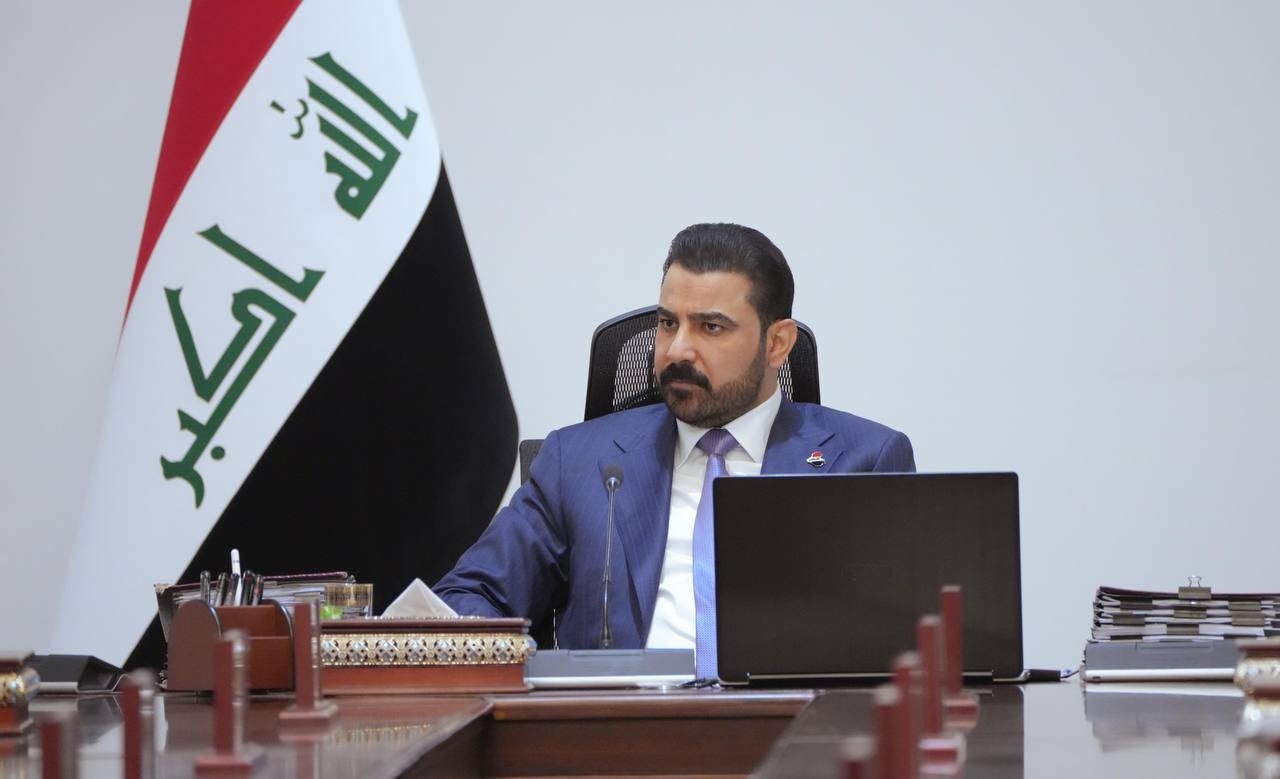
The Council of Independent Authorities approved today, Wednesday, a series of new decisions aimed at combating corruption and enhancing government performance. Prime Minister Ali Faleh Al-Zaydi chaired the first regular session of the council for the year 2026, during which multiple files related to the work of independent authorities were discussed, including ways to address obstacles they face, as well as deliberations on agenda items and the adoption of necessary decisions and recommendations. In the field of integrity and anti-corruption, approval was given to implement Cabinet Resolution No. 341 of 2026, which includes endorsing the recommendations of the performance evaluation of ministries, non-ministerial bodies, and governorates in combating and preventing corruption. Emphasis was placed on implementing the General Secretariat of the Council of Ministers' circular regarding the development of legal staff performance, establishing mechanisms to ensure employees comply with the code of conduct issued by the Integrity Commission, and directing those responsible to submit financial disclosure statements within legally defined deadlines. Additionally, the automation of real estate ownership data in the real estate registration departments through a unified system was adopted. There was also an emphasis on implementing the General Secretariat's circular to include provisions in investment and economic agreements signed with countries holding Iraqi funds, addressing issues related to embezzled funds and the recovery of wanted individuals, and amending previous international agreements to meet current requirements, notably the Riyadh Agreement on judicial and legal cooperation, the Turkish judicial cooperation agreement, and the bilateral treaty with Turkey regarding extradition. Contracts requested to be exempted from the Public Contracts Implementation Instructions No. 1 of 2025 were referred to the Ministerial Economic Council for consideration. Regarding the Sunni Endowment Office, the council voted to coordinate with the Federal Public Service Council to identify the needed specializations, coordinate with the Ministry of Finance to include provisions in the federal budget law draft to secure the positions of lecturers and security staff, and coordinate with the Ministries of Finance, Education, and Planning to exempt construction works for the Imam Al-Azam College in Baghdad and other governorates from the contracting methods stipulated in the Public Contracts Implementation Instructions, alongside allocating necessary funds for rebuilding and restoring mosques and congregational mosques damaged by terrorist attacks. Concerning the Supreme Commission for Hajj and Umrah, approval was granted for coordination with the Federal Financial Supervision Bureau to complete contract audit requirements, coordination with the Ministry of Transport, and to present the Energy Ministerial Council's opinion regarding the exemption request from Cabinet Resolution No. 429 of 2026 related to reducing ticket prices for pilgrims and Umrah performers, while considering government measures to reduce and rationalize expenses for the commission's foreign delegations. In the realm of the Competition and Anti-Monopoly Council, the council approved adding it to certain governmental committees involved in preparing economic policies affecting competition, enabling it to express opinions, and coordinating with relevant entities to prepare a matrix defining each entity's role to prevent overlapping decisions and regulatory and supervisory authorities in the market. All governmental entities were requested to respond to the Competition and Anti-Monopoly Council to resolve complaints within specified timeframes and facilitate and expedite procedures to establish council branches in northern and southern governorates, similar to the Middle Euphrates branch. The council also approved that the Martyrs Foundation coordinate with the National Digital Transformation Center to automate its operations. Regarding the Iraqi Scientific Complex, it was decided that all governmental entities implement the Arabic Language Safety Law No. 64 of 1977 and consult the complex when necessary.
Masella Voice Team
You Might Also Like
Reconstruction and Development Bloc Returns to Parliament Sessions Following Referral of MP Al-Kilabi to Disciplinary Committee
6 hours ago
Federal Supreme Court Annuls Decision Banning Foreign Ownership and Investment in Iraq
6 hours ago