Iran, Oman, Turkey Emphasize Diplomacy to Prevent Regional Escalation
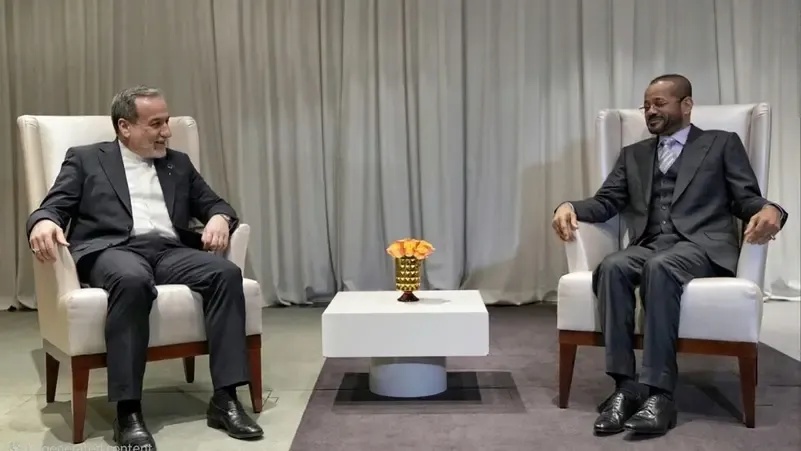
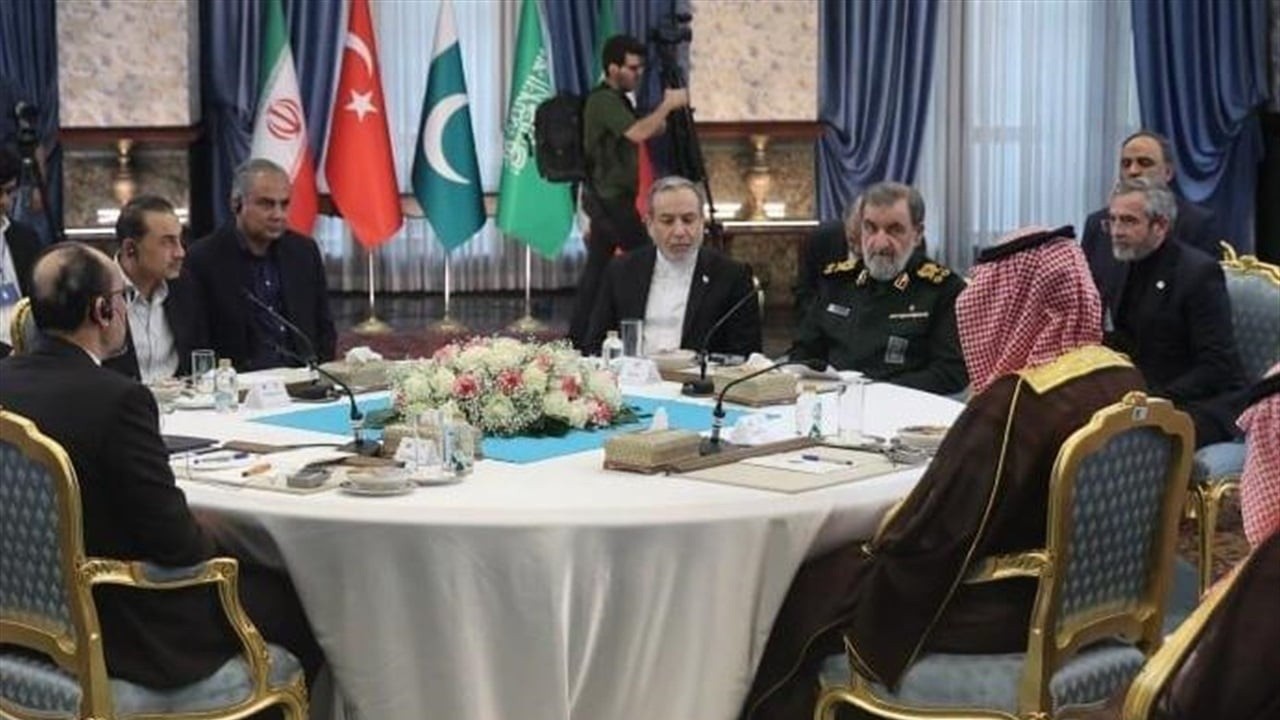
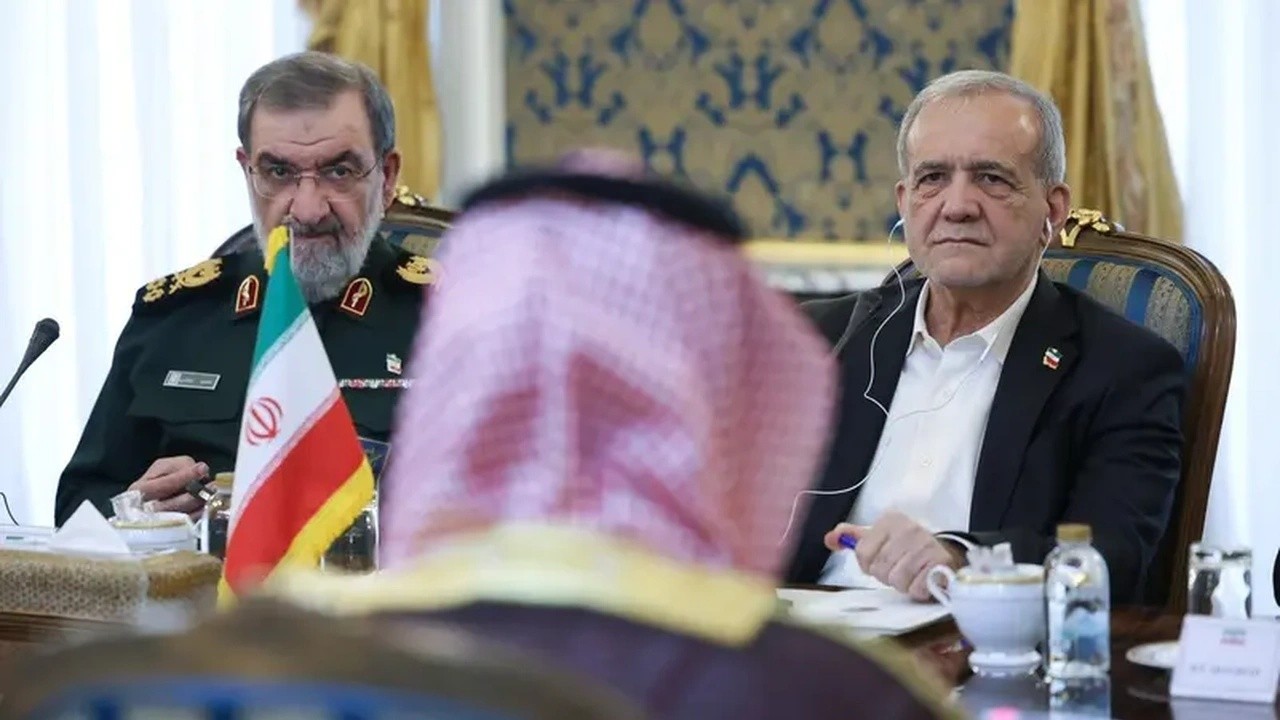
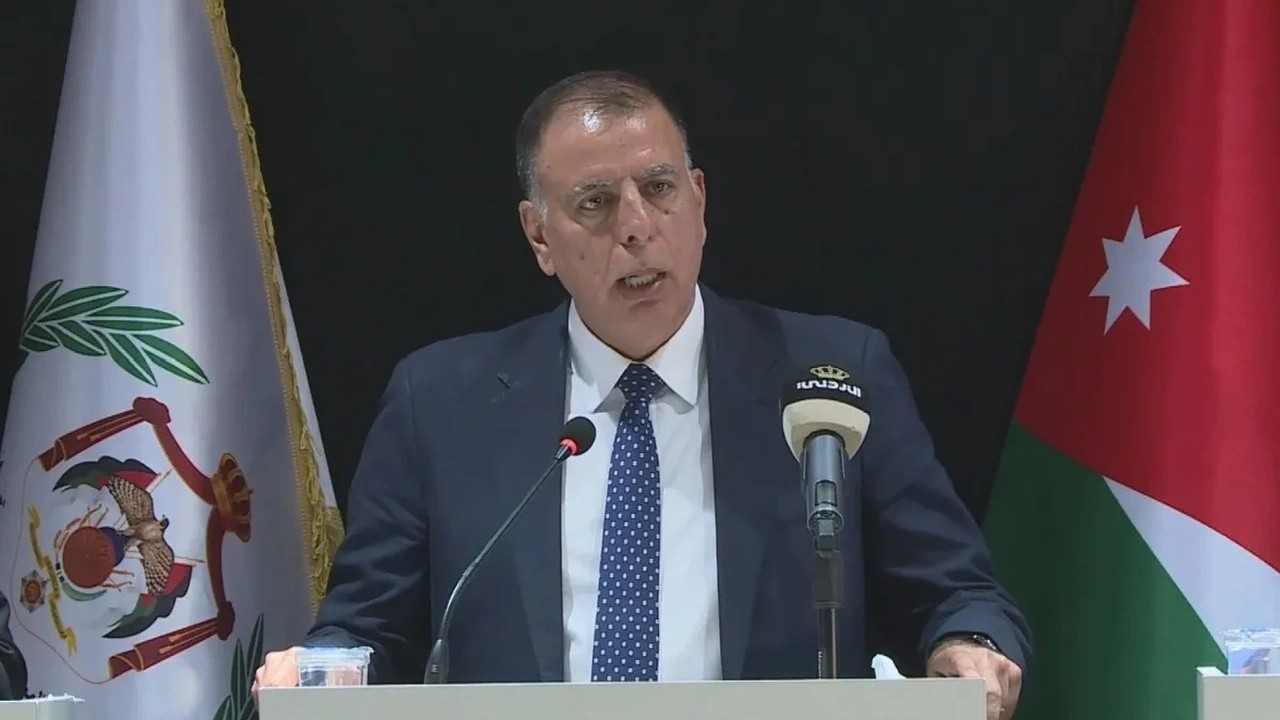
The Iranian Foreign Minister, along with his counterparts from Oman and Turkey, underscored the paramount importance of utilizing diplomatic channels and sustained coordination to prevent any escalation in the region. This emphasis came during separate telephone conversations where the ministers discussed the current situation in the Strait of Hormuz, amid intensified efforts aimed at containing existing tensions and returning to a path of de-escalation, according to Iranian sources. Tensions flared again on Thursday, as the United States launched strikes against Iran, which in turn retaliated by targeting Washington's allies in the region. Tehran accused its adversaries of attempting to divert attention from the funeral ceremonies of the late Supreme Leader Ayatollah Ali Khamenei. The American bombardment resulted in the deaths of seventeen people and injuries to ninety-three others in Iran since the renewal of hostilities the previous day, despite a memorandum of understanding signed by both parties to halt the conflict, according to the latest figures released by the Iranian Ministry of Health. These hostilities undermine the truce that US President Donald Trump had declared "over," as he unleashed his anger at Iranian leaders, calling them "sick people" he no longer wished to "deal" with. Trump also posted on social media, accompanying a picture that appeared to show an attack on a site in Iran, stating: "This is retaliation for the strikes Iran launched against ships yesterday. If this happens again, it will be much worse!" Washington had accused the Iranian military of launching raids on Tuesday, targeting at least three ships in the strategic Strait of Hormuz. For its part, Iran refuses to revert to the pre-war status quo and asserts its right to impose fees on vessels using the maritime passage. Mohammad Bagher Ghalibaf, Speaker of the Parliament and Iran's chief negotiator, announced on Thursday that the Strait of Hormuz would only be opened under "Iranian arrangements." He further stated via his X account: "The United States has not yet learned that intimidation tactics and broken promises no longer go unpunished," unequivocally adding: "If you strike, you will be struck." In a related context, US military officials stated that "the recent strikes targeted air defense systems, missile storage sites, and drones." However, Iran accused the United States of targeting civilian infrastructure, including bridges and the railway line connecting Tehran and Mashhad (northeast of the country), with the aim of distracting from the funeral ceremonies of the late Supreme Leader Ali Khamenei, which were scheduled for 2:00 PM (10:30 GMT). A statement from the Revolutionary Guard asserted that American forces, in an "act hostile to civilians," targeted two bridges in the eastern provinces leading to the city of Mashhad, in an attempt to obscure news of this unprecedented event and hide it from global attention. The strikes also reportedly impacted the "vicinity" of the Bushehr nuclear power plant in Bushehr province (south), which had previously been hit during the war, according to an Iranian official. In response to these events, Iran targeted sites in the Kingdom of Bahrain and the State of Kuwait, while air raid sirens sounded in the Hashemite Kingdom of Jordan, which announced the interception of Iranian missiles.