Drought Forces Panama Canal Restrictions, Impacting Global Trade Flow
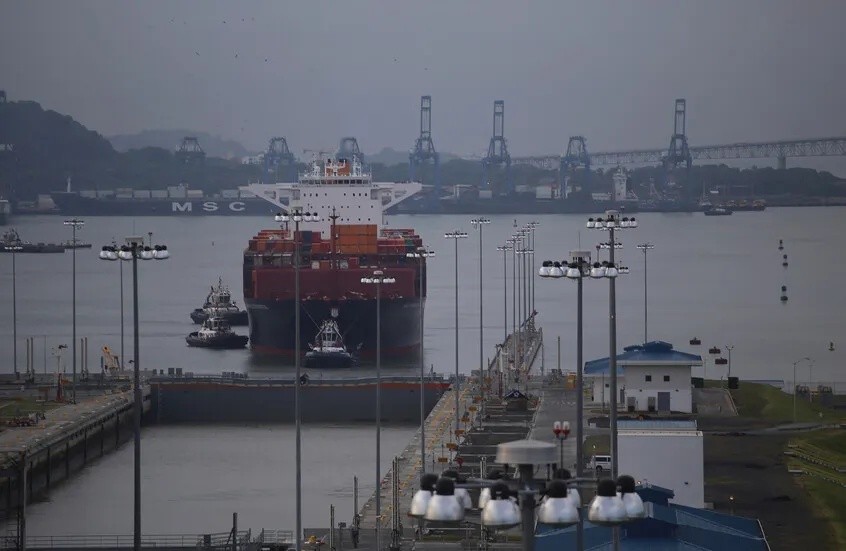
The Panama Canal Authority has commenced implementing exceptional measures to reduce the daily number of vessels permitted to transit the waterway. This action responds to a severe drop in water levels caused by drought linked to the "El Niño" climatic phenomenon. The new directives involve a phased reduction in daily crossings from 36 vessels to 32 by mid-September. This decision follows diminished water levels in the artificial Gatun and Alhajuela lakes, which are vital for supplying the canal's locks with the necessary water to lift and move ships. Panama has declared a nationwide emergency, anticipating the current "El Niño" wave to be the most intense experienced by the region in four decades. Other Central American nations, including Honduras and El Salvador, are also confronting the repercussions of this escalating drought, having similarly declared alerts. Beyond reducing ship traffic, the Canal administration has imposed additional water conservation measures, including lowering the maximum permissible draft for transiting vessels. This step may compel some large tankers to lighten their cargo to ensure safe passage through the waterway. These restrictions hold significant importance given the canal's critical role, connecting the Atlantic and Pacific oceans, and facilitating approximately 5% of total global maritime trade and about 40% of U.S. container traffic. The current crisis echoes a similar challenge faced in 2023, when daily transits were cut to 22 vessels due to the impacts of the same climatic phenomenon.