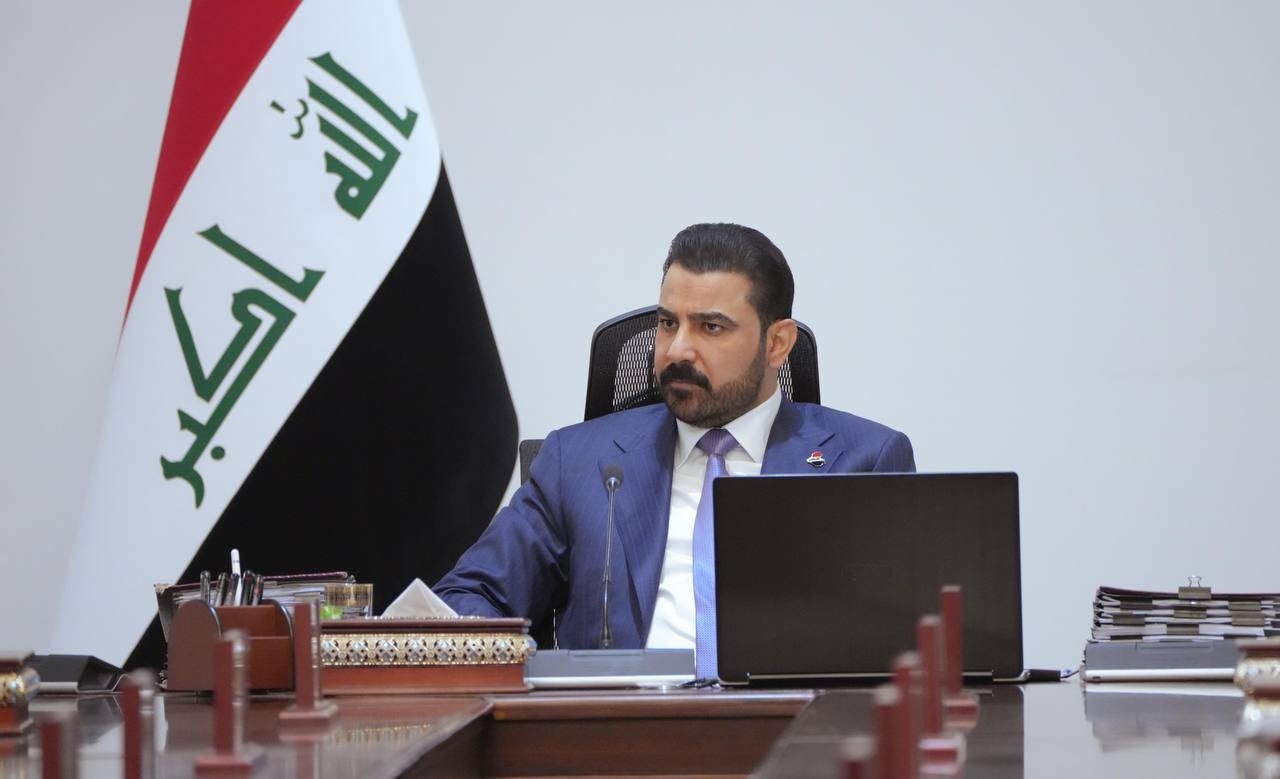
Details of weapons control agreement and new US deadline for Iraq

Politics. Khaled Al-Yaqoubi, the spokesperson for the Iraqi Presidency and political advisor to the President of the Republic, stated that restricting arms to state control requires reciprocal commitments and obligations from major powers, especially the United States, to respect Iraq sovereignty and territorial integrity and to refrain from interfering in its internal affairs. Al-Yaqoubi explained that weapons control is not merely a political desire, but a responsibility and obligation incumbent upon every prime minister who derives constitutional legitimacy from parliament, pointing out that this file is typically presented within the government program. Regarding the weapons deadline, Al-Yaqoubi mentioned that Iraqi Prime Minister Ali Al-Zaidi persuaded the American side to extend the deadline for handing over weapons until the end of June twenty-seventeen, during his meeting with US President Donald Trump on the sidelines of the UN General Assembly. He clarified that Washington had previously set the thirtieth of last September as the final deadline for handing over weapons, hinting at economic measures and procedures in case of non-compliance, while expressing his belief that the new timeframe is sufficient for the government and political parties to address this sensitive file. He attributed the complexity of the weapons issue to the exceptional circumstances Iraq has experienced since two thousand and three and its confrontation with Al-Qaeda and ISIS, affirming that this file cannot be resolved overnight and requires a long series of measured steps. Regarding airspace violations and the possibility of keeping Iraq out of any new confrontation between Washington and Tehran, Al-Yaqoubi described neutralizing the country as a difficult task, explaining that the recent war crossed recognized borders and disregarded international agreements and charters. He noted that Iraqi airspace was used by both sides, as American and Israeli warplanes crossed it to strike targets in Iran, while Iranian missiles passed through it in response. He stated that Baghdad has submitted more than official complaints to the UN Security Council, without receiving any response or practical action from the council. He considered that any additional escalation between Washington and Tehran will place Iraq directly in the heart of events whether it likes it or not, coinciding with the growing economic pressures the country is facing. Notably, Al-Yaqoubi ruled out Iraq ability to act as a mediator between America and Iran under current circumstances, considering that the crisis exceeds the state capabilities and the entanglement of interests and calculations has become very complex. He clarified that Baghdad previously tried to employ its relations with both sides for mediation, but it seeks as much as possible to distance itself from the repercussions of the conflict. Regarding mediation between Iran and Saudi Arabia, he confirmed that he does not possess data on the existence of a current Iraqi role in this regard, praising the pivotal role Baghdad played in preparing for the announced agreement sponsored by China. On the economic level, Al-Yaqoubi indicated that Iraqi oil exports still face obstacles related to traffic movement through the Strait of Hormuz, and that export operations are conducted with financial fees different from what they were previously. He explained that the export issue was discussed in previous meetings with the Iranian side, without confirming or denying the existence of Iranian acceptance or rejection of Iraqi demands, and he also pointed out the lack of information available to him regarding whether this file was discussed during meetings between the foreign ministers of the two countries.
Masella Voice Team
You Might Also Like
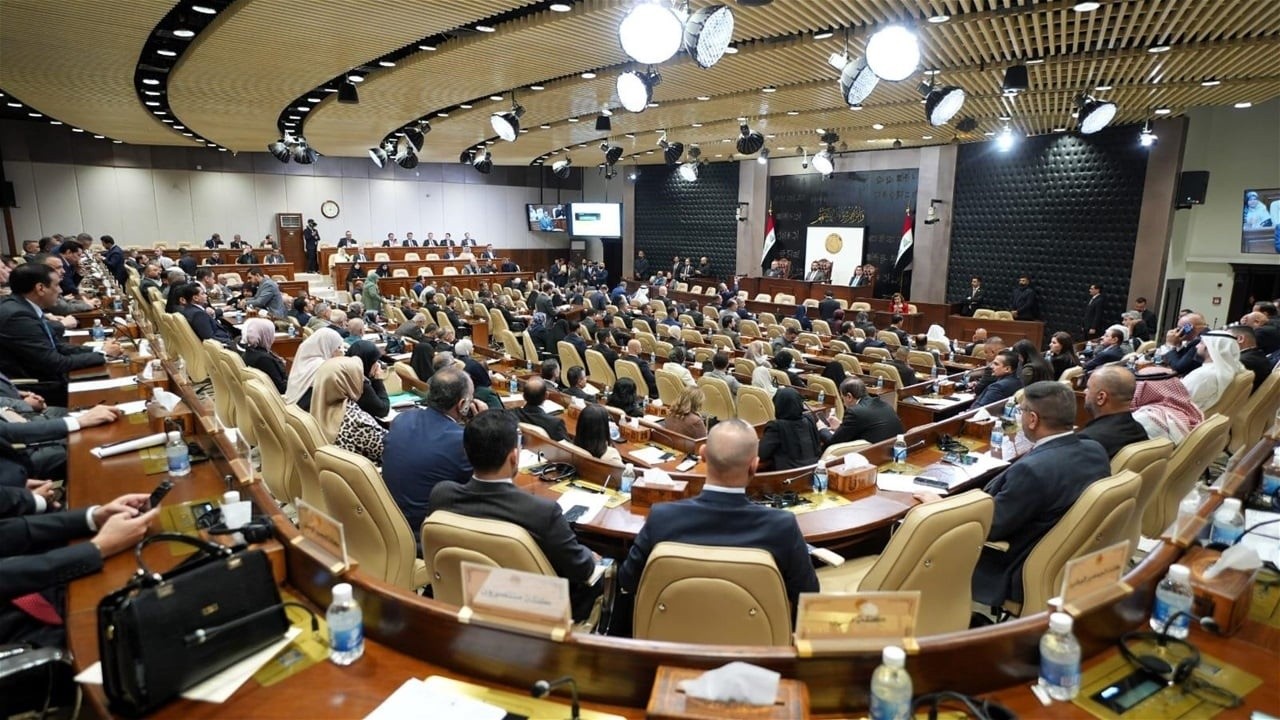
Reconstruction and Development Bloc Returns to Parliament Sessions Following Referral of MP Al-Kilabi to Disciplinary Committee
5 hours ago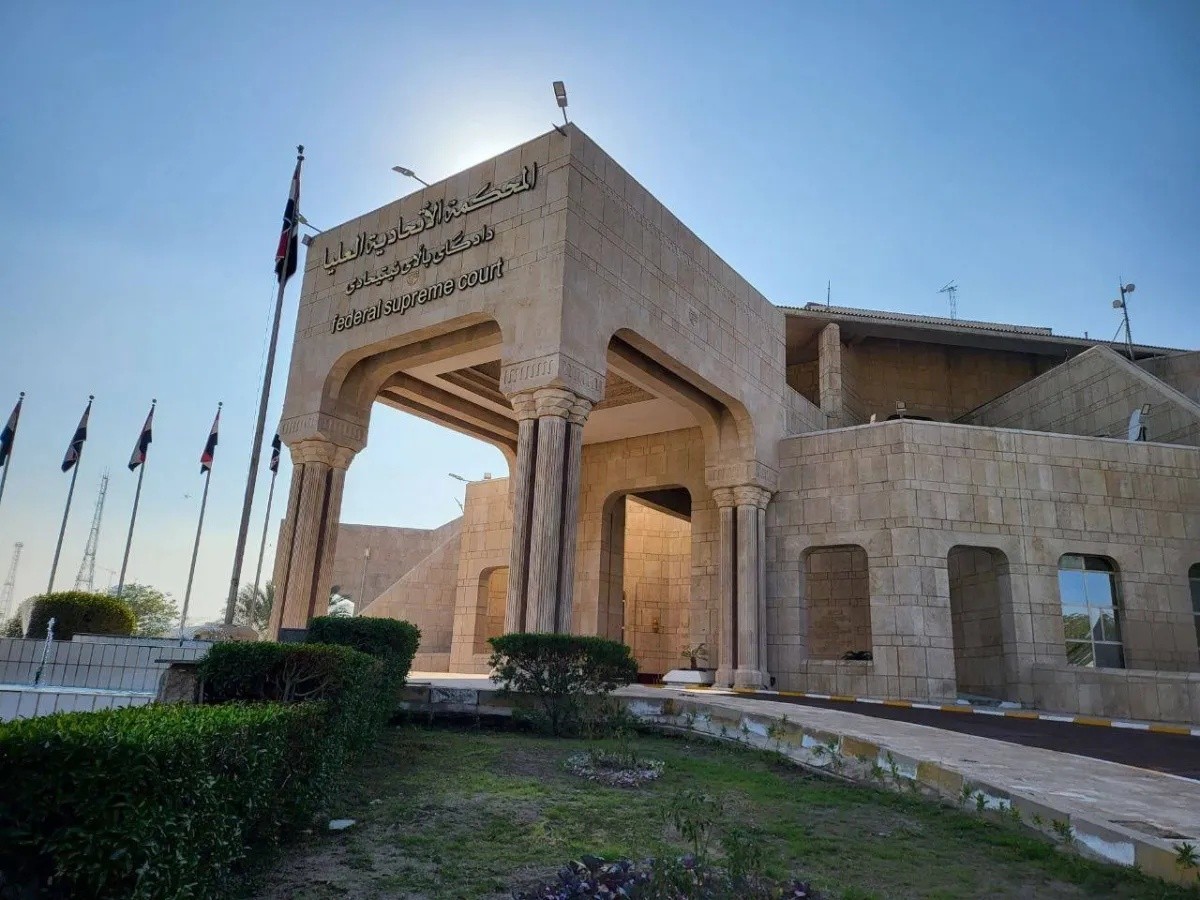
Federal Supreme Court Annuls Decision Banning Foreign Ownership and Investment in Iraq
5 hours ago