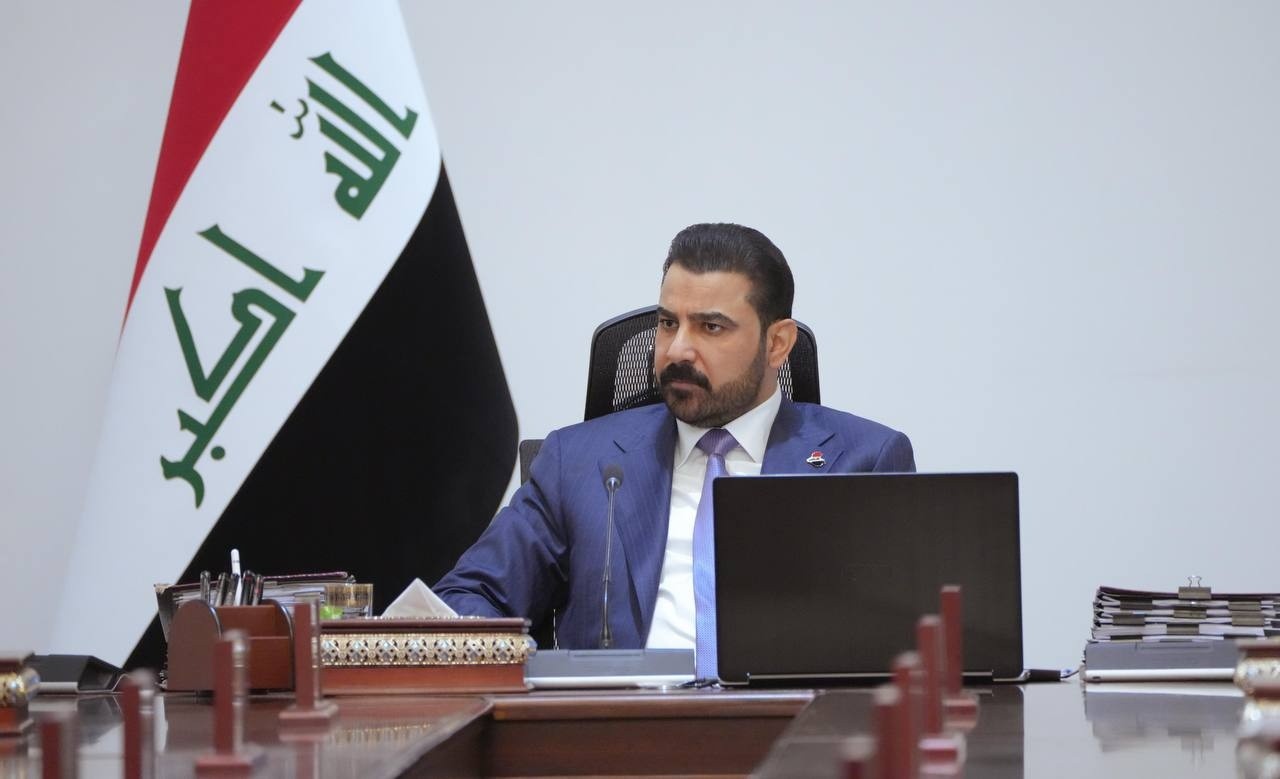
Council of Ministers Announces Details of New Government Program, Defining Priorities Across 14 Sectors
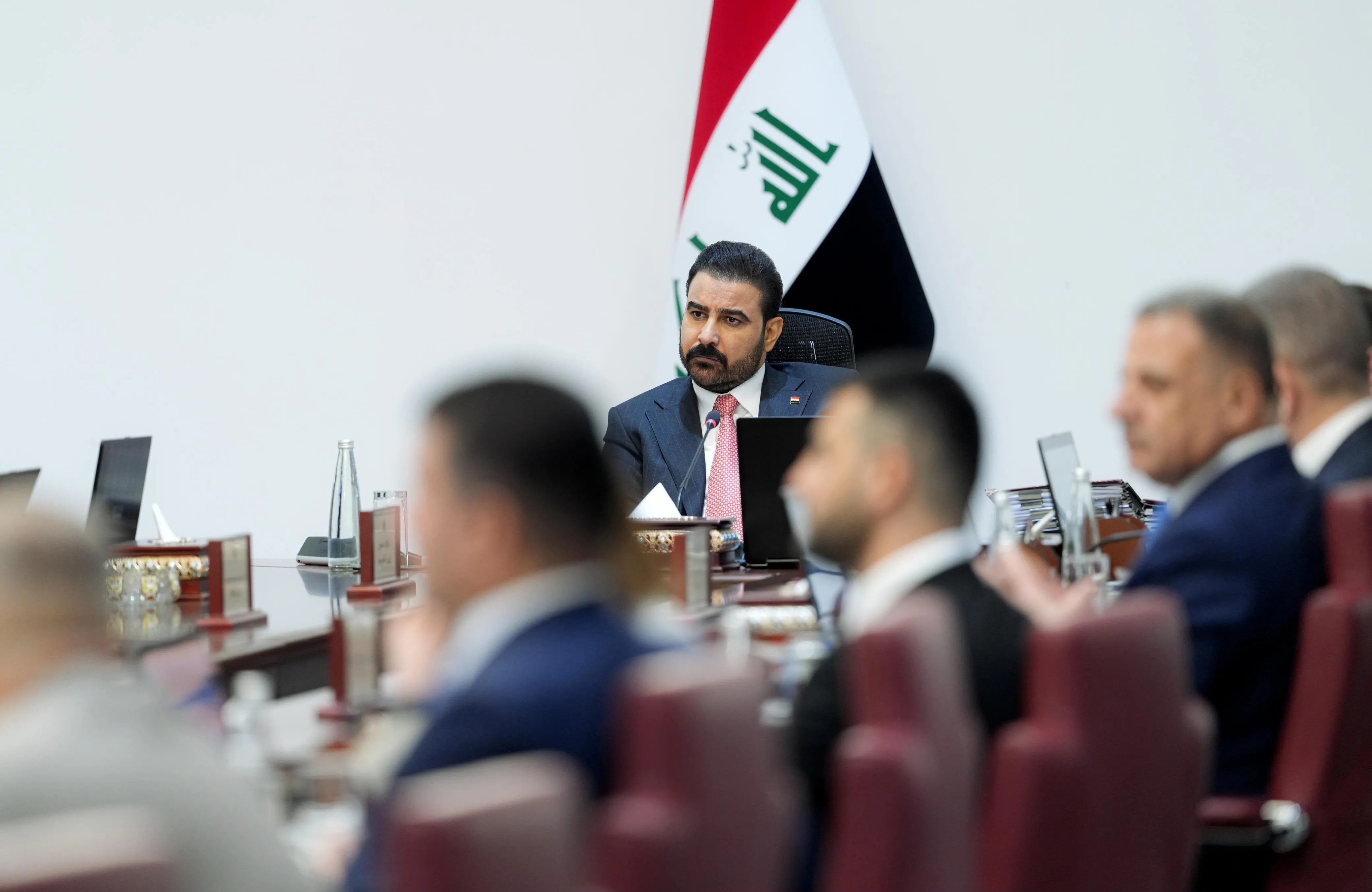
The Council of Ministers announced the details of the government program for the years (2026-2029), which has been approved for referral to the House of Representatives. This announcement came during the fourteenth ordinary session of the Council of Ministers, chaired by Prime Minister Ali Faleh Al-Zaidi, yesterday evening, Tuesday. The session's agenda was limited to approving this program, in preparation for its referral to the House of Representatives, in accordance with the provisions of Article (38/First) of the amended Council of Ministers' Internal Regulations (No. 2 of 2019). The Council clarified that the government program's interests are distributed across (139) priorities, within 14 main sectors, which form the foundations of the current government's ministerial agenda. These sectors include: strengthening state sovereignty and national security, economic and financial reform, industry, governance, institutional reform and anti-corruption, health and medical services, communications and information technology, youth and sports, foreign policy, energy, agriculture, water and environment, education, social protection networks and poverty eradication, human rights, women and children, and culture, tourism and antiquities. Additionally, the program includes (13) legislations that are a priority for the government's work. The government program includes a package of policies, procedures, and pathways that represent the government's objectives, most notably: adopting a comprehensive national program for institutional reform and combating financial and administrative corruption, reviewing relevant legislations, and enhancing the integrity and transparency system. It also aims to expand investment in non-oil minerals and natural resources, accelerate the reform and development of the government banking sector, control and unify border crossings, launch a national strategy for comprehensive digital transformation, empower national centers for digital transformation and cybersecurity, enhance confidence in the investment environment, establish the Supreme Investment Council, and establish the Supreme Council for Financial and Monetary Stability. Furthermore, the program focuses on dedicating efforts to unify security decision-making, linking all resources and capabilities to the official state system, and considering the independence of Iraqi political decision as a fundamental manifestation of national sovereignty. It also seeks to strengthen the human rights system in Iraq, care for childhood and guarantee its rights, reduce all forms of community violence, and develop leadership training programs for women in government and political work.
Masella Voice Team
You Might Also Like
Reconstruction and Development Bloc Returns to Parliament Sessions Following Referral of MP Al-Kilabi to Disciplinary Committee
12 hours ago
Federal Supreme Court Annuls Decision Banning Foreign Ownership and Investment in Iraq
12 hours ago