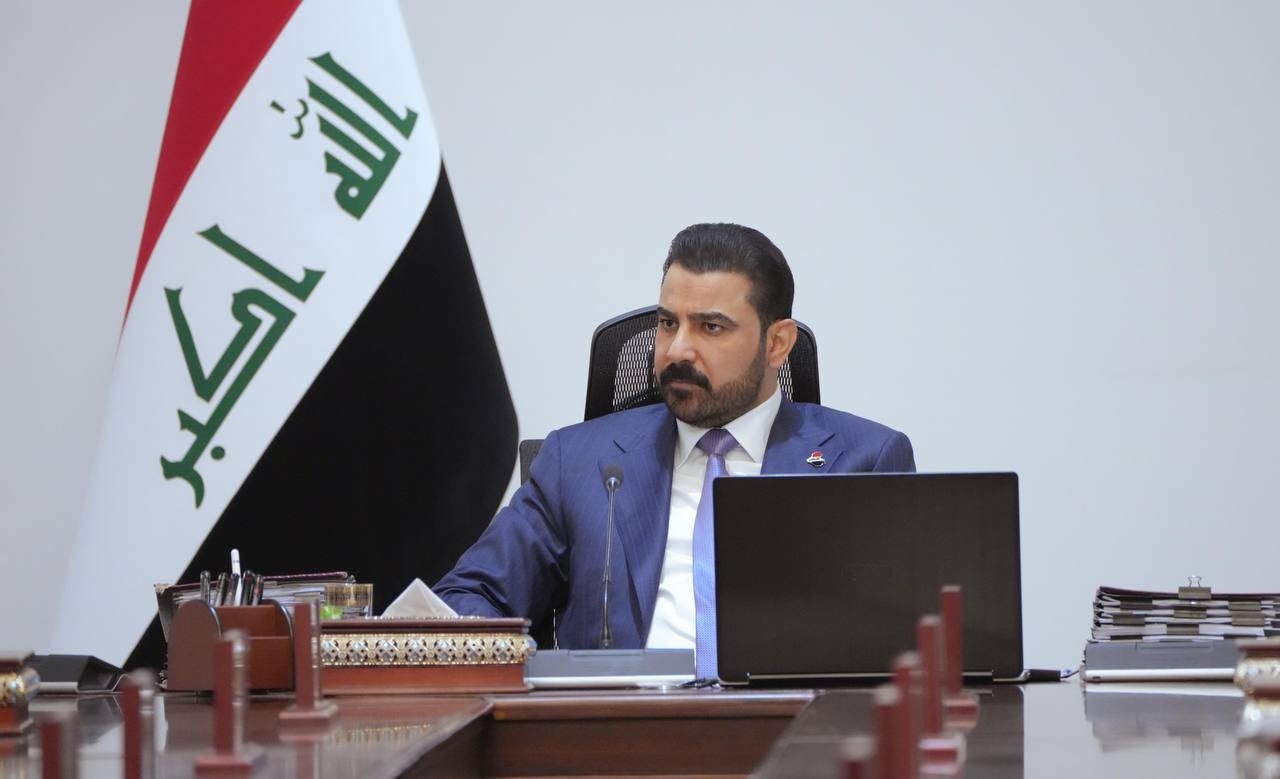
Al-Zaidi Affirms Imminent End to Armed Factions in Iraq
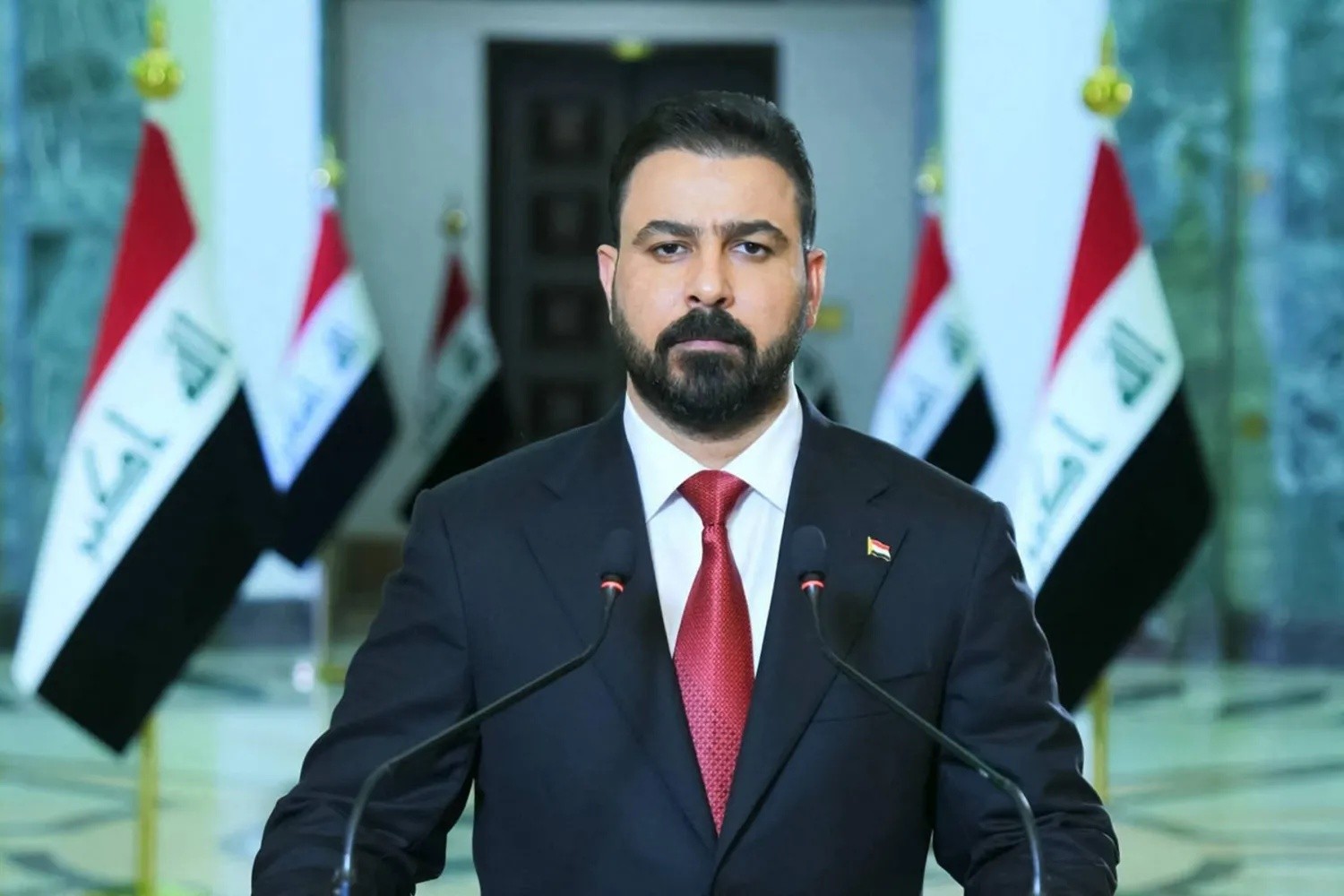
Prime Minister Ali Faleh Al-Zaidi affirmed that the government has made significant progress over the past five months in several key areas, including preventing Iraq from international isolation, combating corruption, and consolidating weapons under state control. He revealed agreements with five factions to complete the weapons file, alongside economic plans involving the distribution of one million free residential land plots, the establishment of new cities, increasing non-oil revenues, developing the energy sector, and enhancing foreign relations. In a televised interview, Al-Zaidi noted that Iraq was on the verge of international isolation before the government took office, a situation that would have delayed development and hindered the fulfillment of citizens' needs. He confirmed that the government successfully averted this danger, marking an important step. Regarding anti-corruption efforts, he stated that although corruption has not been entirely eradicated, it has been weakened by adopting a new mechanism to audit contracts before signing rather than after, reducing opportunities for corruption. The government works to diminish and prevent corruption from the outset. On the issue of weapons consolidation, he announced substantial success within less than five months, having completed arrangements with three factions and working to finalize procedures with two others. Dialogues continue with two additional factions, with agreements expected soon. He highlighted a government project to distribute one million free residential land plots to eligible Iraqis without property, granting ownership deeds, alongside plans to build modern cities across provinces with advanced designs. Al-Zaidi confirmed that Iraq will soon be a state free of armed factions, with weapons exclusively in the hands of Iraqi security forces, providing practical guarantees to citizens. He explained that the previous justification for carrying arms was the presence of foreign forces, which have now departed, and talks with Turkey regarding the withdrawal of its forces have been conducted. He emphasized the government's serious approach to sovereignty, stating that consolidating weapons under security forces is a final decision with no retreat, and confirmed there are currently no American soldiers in Iraq, whether combat or advisory. On foreign relations, he stressed that Iraq will not participate in any war and will serve as a meeting point among different parties, continuing efforts to ease regional tensions. He underscored the importance of developing relations with Arab and Gulf countries, mentioning a past visit to Saudi Arabia where regional security and bilateral relations were discussed. Economically, he explained that the decision to adjust the dollar exchange rate was to address a severe financial situation, with the government working to increase the cash dollar supply to narrow the gap between official and market rates. He noted that a higher dollar rate can support local industrial and agricultural sectors by enhancing the competitiveness of domestic products. The government has adopted a new economic model focused on diversifying resources and launching extensive construction, industrial, and agricultural projects, with a commitment to maintaining the current exchange rate. Regarding anti-corruption, he stressed that combating corruption is fundamental to the government's project, with practical and ethical measures in place, including an oath of honor for government members and officials to strengthen commitment. He acknowledged corruption exists across institutions but cautioned against generalizations, emphasizing that actions are evidence-based. He affirmed the government's resilience against pressures and temptations to engage in corruption, pledging to continue the anti-corruption campaign despite challenges. The government aims to build a state, not just an administration, with citizens expected to see tangible results soon. On military presence, he revealed direct talks with the US and Turkey about the future of military, political, and economic relations, confirming Iraq no longer requires foreign troops and that relations will shift toward economic cooperation. He mentioned agreements with local forces regarding the handover of military sites, reaffirming that sovereignty is treated as a practical decision, not mere rhetoric. Concerning relations with Iran, he stated Iraq will not be a battleground but a meeting point, continuing efforts to de-escalate tensions. He noted that closing the Iraq-Iran border is not in either country's interest and that air traffic between them continues. He also discussed the impact of the closure of the Strait of Hormuz on Iraq and other countries, explaining Iran's aim is to pressure global energy markets, not Iraq specifically. In conclusion, Al-Zaidi confirmed the government's serious work on all files, maintaining state sovereignty, promoting development, and fighting corruption, with tangible results expected soon.
Masella Voice Team
You Might Also Like
Reconstruction and Development Bloc Returns to Parliament Sessions Following Referral of MP Al-Kilabi to Disciplinary Committee
6 hours ago
Federal Supreme Court Annuls Decision Banning Foreign Ownership and Investment in Iraq
6 hours ago