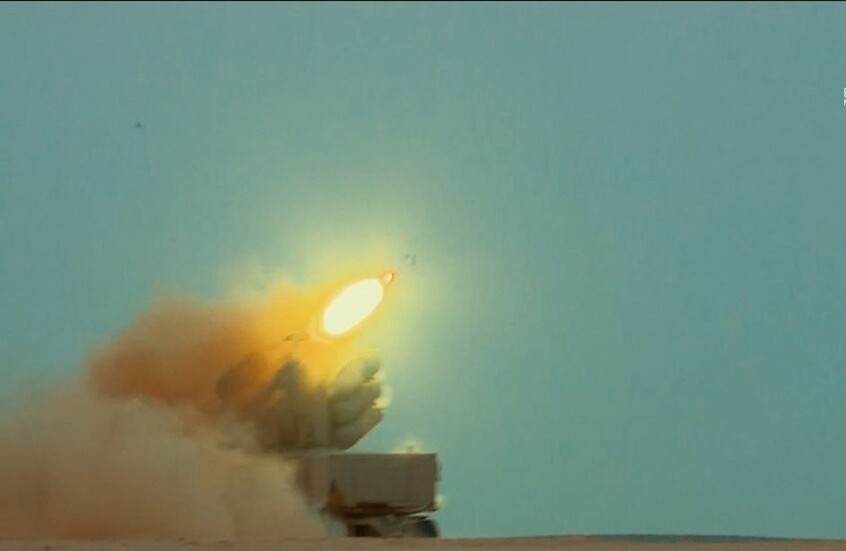
Washington Considers Military Options Against Iran Involving The Largest Conventional Bomb In Its Arsenal
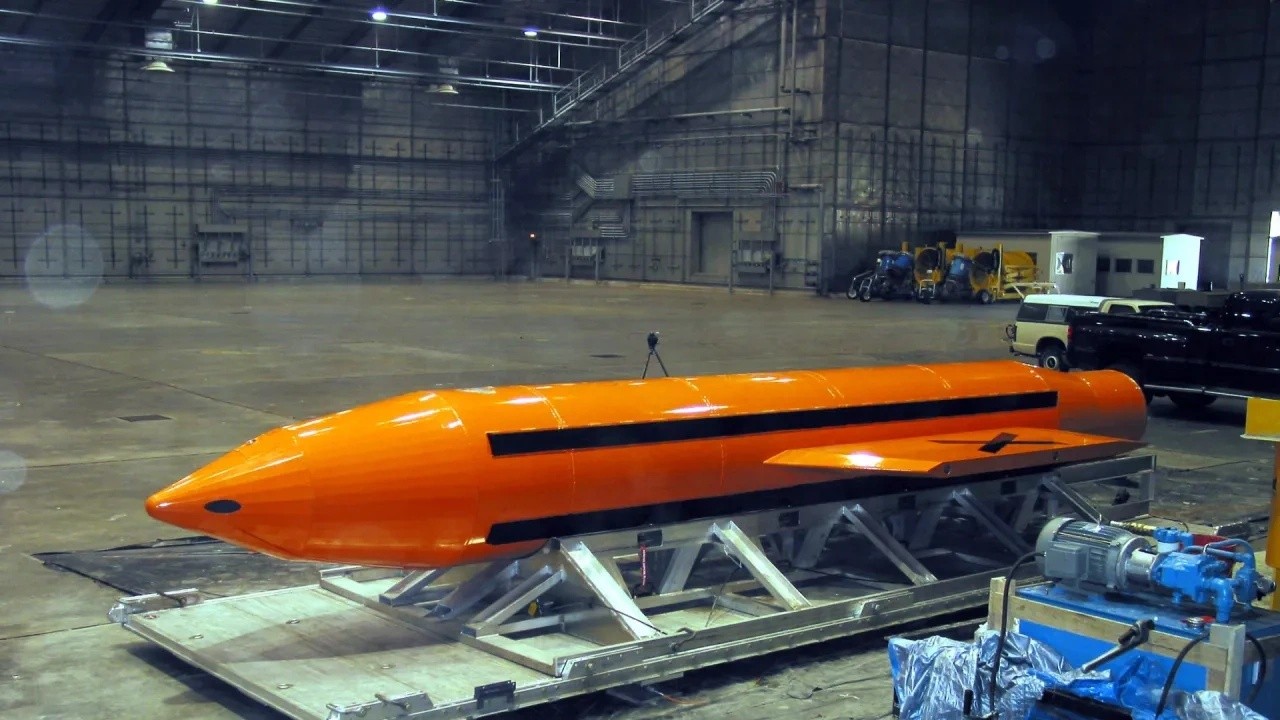
Military planners in the United States are currently reviewing a broad spectrum of strike scenarios against Tehran, prominently featuring the potential deployment of the most powerful conventional munition in the American inventory against vital infrastructure and nuclear facilities, despite persistent operational uncertainties regarding its capability to eliminate deeply buried underground structures. According to reporting from major American television networks citing government sources and White House insiders, President Donald Trump directed the military command to draft robust combat courses of action that contemplate using this colossal weapon during any major confrontation, while a Pentagon official affirmed that operational schemes are continually shaped to execute executive guidance across complex operational theaters without public disclosure of targeted sites. This strategic discussion highlights the GBU-43/B Massive Ordnance Air Blast weapon, commonly recognized worldwide as the Mother of All Bombs, which was originally engineered in 2003 over a rapid development period for the Iraq campaign yet remained unutilized at that time. Detailed specifications from aerospace defense publications indicate that the satellite-guided munition weighs approximately 9.5 tons, extends nearly nine meters in length, and is packed with roughly 8,482 kilograms of high explosives configured to detonate just above ground level to generate a devastating air blast over wide surface expanses and cave networks. Defense analysts, including senior fellow Mark Cancian from the Center for Strategic and International Studies, emphasize that the weapon differs technically from the GBU-57 Massive Ordnance Penetrator and suffers from operational constraints, including restricted stockpile quantities and limited penetration performance against granite-shielded underground complexes like the Jabal Al-Fas facility. The historical background of the ordnance includes its singular operational deployment ordered by Trump in April 2017 against an ISIS-Khorasan tunnel hub within the Nangarhar province of eastern Afghanistan, resulting in the elimination of 36 combatants without recorded civilian casualties. In addition to potential kinetic strikes on electrical grids and primary crude export terminals located on Kharg Island, recent diplomatic accounts suggest that discussions between Trump and Israeli Prime Minister Benjamin Netanyahu assessed expanding military options, although Trump stated on social media that no offensive action would occur prior to the November midterm ballots, prompting the Islamic Revolutionary Guard Corps to issue stark statements threatening severe retaliation against any hostile maneuver.