Trump Administration Dismisses Over 20 Senior Military Leaders at Pentagon in 15 Months
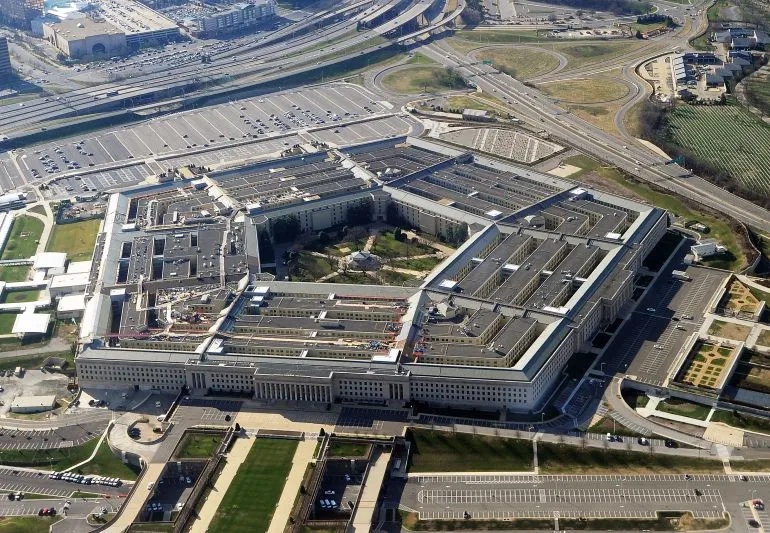
The highest echelons of the U.S. military leadership are undergoing extensive restructuring by the administration of President Donald Trump. Over 20 generals and admirals have been dismissed or retired within approximately fifteen months, a move that has sparked wide debate within military and political circles regarding the future of civil-military relations in the United States. The most recent official affected by these dismissal decisions was General Chris Donahue, Commander of U.S. Army Europe and Africa and commander of NATO land forces. Donahue was reportedly considered one of the top candidates to assume future leadership of the U.S. Army. He is scheduled to hand over his duties during an official ceremony in Germany early next July, with expectations of his retirement from service unless he accepts a lower-ranking military position, according to circulating reports. For its part, the U.S. Department of Defense clarified that these decisions are part of a broader plan led by Defense Secretary Pete Hegseth, aimed at restructuring the senior leadership of the armed forces. The plan includes a 10% reduction in the number of generals and admirals, a 20% reduction in four-star military positions, and a similar reduction in senior National Guard officers. The Department affirms that the goal of these measures is to enhance military readiness and reduce what it describes as redundant command structures within the armed forces. However, these steps have drawn widespread criticism from former military officials and members of Congress, who warned that repeated dismissals could lead to a loss of vital military expertise and a decline in morale within the military establishment. They also believe that these actions could deepen the perception that political considerations are influencing the careers of senior officers. Since Trump's return to the White House in January 2025, U.S. military leadership has witnessed one of the largest waves of change in its modern history. Dismissal or retirement decisions included prominent figures such as Chairman of the Joint Chiefs of Staff General Charles Brown, Chief of Naval Operations Admiral Lisa Franchetti, Vice Chief of Staff of the Air Force General James Slaif, and Chief of Staff of the Army General Randy George, in addition to several senior legal advisors and Director of the Defense Intelligence Agency Lieutenant General Jeffrey Cruz. The U.S. administration has not provided detailed explanations for most of these decisions, prompting five former defense secretaries, from both Republican and Democratic administrations, to address Congress, warning of the implications of what they described as "reckless" dismissals that could affect U.S. national security. Observers believe that this restructuring campaign is inseparable from the Trump administration's efforts to revoke policies related to diversity, equity, and inclusion programs adopted by the previous Biden administration. The current administration considers these policies to have negatively impacted the readiness of the armed forces, while critics argue that targeting officers associated with implementing those programs opens the door to politicizing the military institution and linking promotions and leadership to political loyalty. Legally, the U.S. Constitution grants the President broad powers as Commander-in-Chief, allowing him to relieve or reappoint senior military leaders. The Supreme Court also solidified this principle in 1926 when it affirmed the President's right to remove executive branch officials without Senate approval. American history has seen several similar cases, notably President Abraham Lincoln's dismissal of General George McClellan during the Civil War, and President Harry Truman's relief of General Douglas MacArthur during the Korean War, to uphold the principle of military subordination to civilian authority. Nevertheless, Congress imposes some legal restrictions on the termination of officers' service. However, the temporary nature of senior military positions, especially three- and four-star ranks, grants the President and the Department of Defense the authority to relieve commanders from their posts, which often leads to their retirement. The current debate is not limited to legal aspects but extends to the nature of the relationship between political authority and the military establishment. A number of experts warn that relying on political considerations in selecting leaders could weaken the military's independence and affect senior officers' ability to provide independent professional assessments to decision-makers. They base their arguments on the theory of American political scientist Samuel Huntington, which asserts that the best way to ensure civilian control over the armed forces is to maintain the military's professionalism and professional independence, while fully subjecting it to political leadership in policy and strategy formulation. Researchers believe that this balance could be shaken if officers feel that their professional future is tied to political loyalty rather than competence and military experience. The ongoing wave of dismissals raises questions within American strategic circles about its repercussions on the readiness of the armed forces, especially amidst escalating competition with China and ongoing tensions in Europe and the Middle East. Experts believe that the loss of a large number of senior leaders in a short period could deprive the U.S. military of decades of accumulated experience and affect military leadership stability during a phase of increasing security challenges. Conversely, the Trump administration asserts that leadership restructuring is part of a strategy aimed at building a more efficient army capable of confronting future threats.