Rosatom Reveals Major Challenges in Egypt's El-Dabaa Nuclear Project
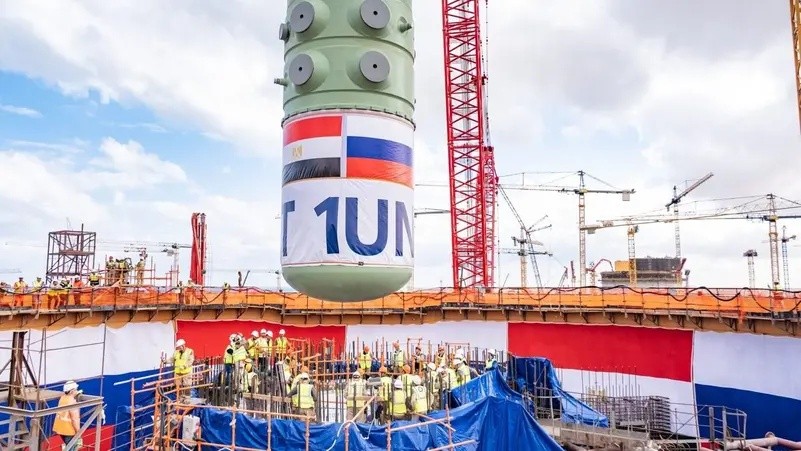
The Director General of Rosatom, Alexey Likhachov, revealed that several challenges were encountered during the implementation of Egypt's El-Dabaa nuclear power plant project, including the COVID-19 pandemic, international sanctions, and what he described as deliberate sabotage. Likhachov stated at the Russia-Africa summit held in Moscow that the project faced unexpected difficulties such as the pandemic, sanctions, and intentional harm aimed at the project by certain countries, without specifying the nature of these acts or the responsible parties. He emphasized that the corporation, in cooperation with the Egyptian government, managed to overcome these challenges successfully. In a related development, Egypt's Nuclear Power Plants Authority affirmed its commitment to applying the highest standards of quality and nuclear safety throughout all stages of the El-Dabaa project, responding to reports that raised concerns about safety procedures during the installation of the reactor pressure vessel for the second unit. The authority clarified that the published reports were based on inaccurate conclusions drawn from footage of a ceremonial event, which do not reflect the technical and operational procedures carried out during the installation. Reports had previously suggested possible accusations against Rosatom regarding safety, security, and engineering shortcomings in the project, noting the use of technology similar to that employed in another nuclear plant in Hungary. Rosatom, however, reaffirmed its adherence to the highest nuclear safety standards throughout the construction phases. El-Dabaa is Egypt's first nuclear power plant, located in the city of El-Dabaa in Matrouh Governorate on the Mediterranean coast, approximately 300 kilometers northwest of Cairo. The project involves constructing four nuclear power units, each with a capacity of 1200 megawatts, under contracts that came into effect in December 2017. Contractual obligations include supplying nuclear fuel throughout the plant's operational life, training Egyptian personnel, and providing operation and maintenance services during the first ten years of operation.