Renewed Tensions in Middle East Spark Concerns Over Global Oil Supplies
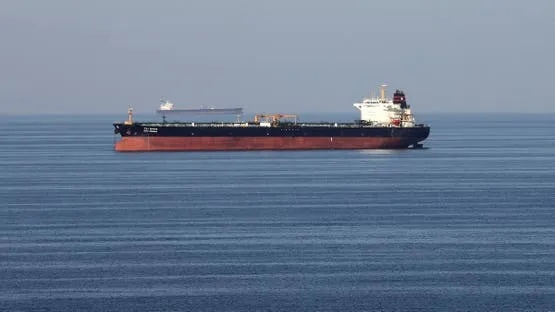
Oil prices saw a rise on Tuesday, driven by renewed military tensions between the United States and Iran in the Middle East, which sparked fears of supply disruptions from this vital global crude production region. This increase follows significant gains recorded by Brent and West Texas Intermediate (WTI) futures in the previous session, reaching their highest levels since late August. This escalation is attributed to threats by U.S. President Donald Trump to launch additional attacks on Iran, following the first direct exchange of attacks between the two countries in a month. This has heightened tensions in a conflict that has recently transformed into an economic confrontation. Commenting on the situation, market analyst Tim Waterer stated, "These developments bring the possibility of an Iranian retaliation back to the forefront, which in turn raises the chances of damage to energy infrastructure around the Gulf and adds a new layer of uncertainty surrounding shipping through the Strait of Hormuz. These two risks are reflected in the stronger tone of crude prices." Regarding shipping movements, analytical data indicated a decrease in the number of visible commercial vessels transiting the Strait of Hormuz over the weekend. The Strait is a crucial waterway through which approximately one-fifth of global oil supplies pass, and mediation efforts to reopen it, after its closure following attacks on Iran in February, have not yielded any progress. In an indication of ongoing risks, the UK Maritime Trade Operations (UKMTO) reported today that a tanker was hit by three projectiles while sailing outside the Strait of Hormuz, with no reports of casualties or environmental impact. In a parallel development, the U.S. President announced on Friday an agreement with Venezuela to control the country's oil reserves, noting that this would contribute to replenishing the U.S. Strategic Petroleum Reserve (SPR), which is nearing its 44-year low. In Venezuela, several international companies, including Chevron, General Electric Vernova, ONGC, Eni, and GeoPark, are moving towards signing final agreements for energy projects after prolonged negotiations. U.S. strategic crude oil inventories decreased by approximately 3.1 million barrels last week, reaching 286.6 million barrels. Analysts anticipate oil prices to remain above certain levels in the coming years, with continued shipping disruptions and their impact persisting.