Public Wi Fi Risks and Personal Data Protection
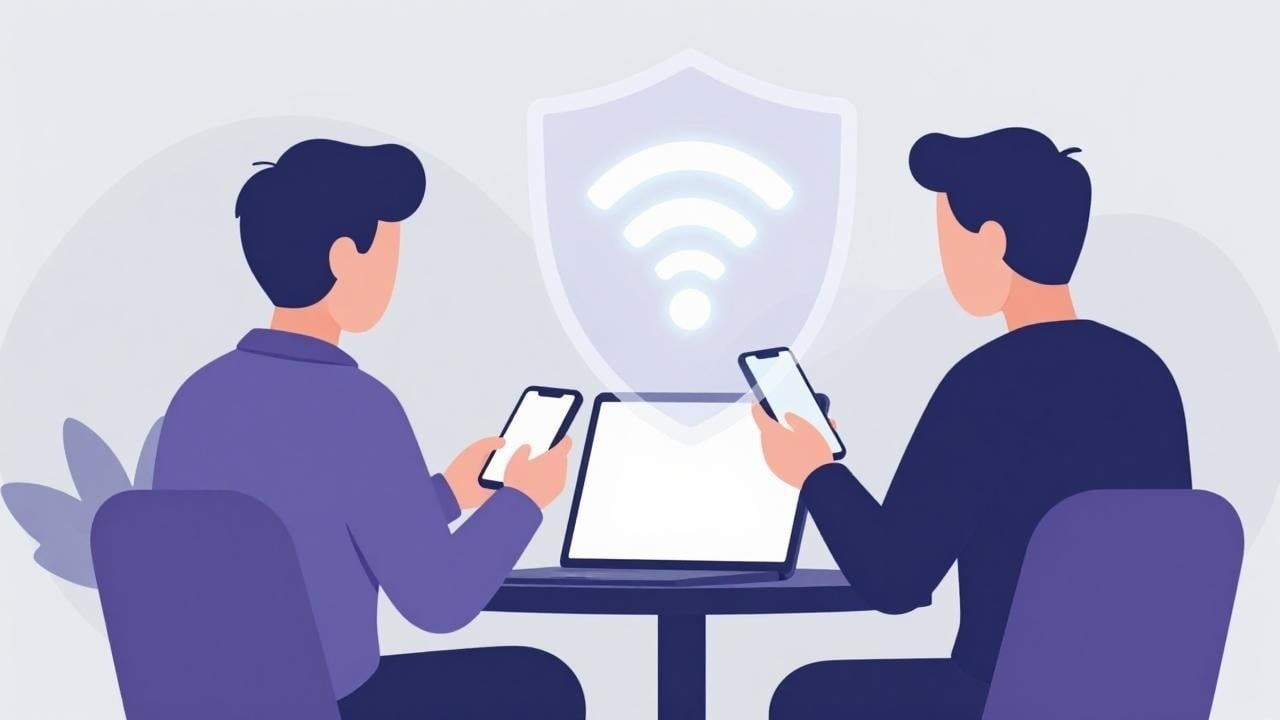
Open internet networks spread across almost all public spaces like cafes, airports, and commercial centers, offering users a convenient solution when needing to complete tasks quickly or when mobile data packages run low. However, this ease hides security risks that individuals frequently overlook. When connecting to an unknown network, displayed data becomes exposed to channels that might be controlled by untrusted third parties. The real issue does not lie solely in the nature of these networks, but in the behaviors of users who interact with them routinely by opening bank accounts, checking emails, and logging into sensitive work platforms without realizing they share this environment with unknown strangers. When connecting to any public wireless network, all data finds its way first through that specific point's router before reaching the global internet. While users possess complete control over their home devices, management in public locations rests entirely with external entities. Although most websites today rely on secure encryption protocols protecting communication content, this step alone is not enough to provide comprehensive immunity. Network administrators can still monitor visited sites, visit timings, and duration of stays, details capable of painting an accurate picture of a user's professional activity, health status, and financial interests. Risks requiring attention vary, most notably fake networks created with names matching or similar to popular venue names to lure individuals, alongside outdated applications failing to adopt advanced encryption standards and sending information in readable formats, not to mention automatic connection features in smartphones linking devices to previous open networks without the owner's knowledge to run background syncs and updates. Despite these multiple threats, securing devices does not require major technical complexity, being limited to adopting sound digital habits that include stopping automatic connection to open networks and making each link a deliberate decision, alongside ensuring site links begin with secure characters before entering private information, and using a virtual private network to hide activity and encrypt communication paths. Activating two-step verification via authentication apps also contributes to building an additional defensive wall protecting accounts, alongside maintaining regular updates for systems and applications to close discovered security gaps. Despite the importance of virtual tools, their limitations must be recognized, as they only protect the connection path and do not prevent risks resulting from browsing phishing sites or entering direct login data, which mandates choosing a reliable service provider committed to clear user privacy policies. It is beneficial to adopt fixed strategies when moving around, such as postponing dangerous banking transactions until returning to trusted networks, relying on mobile data for sensitive matters, and periodically cleaning the saved network list on the phone to reduce chances of unintended connections. Ultimately, public places do not represent an inevitable danger to avoid entirely, as much as they require basic awareness and smart choices through adjusting settings and acquiring digital habits shielding personal information during every commute and travel.