
Process Begins to Select New ECB President Following Lagarde's Resignation
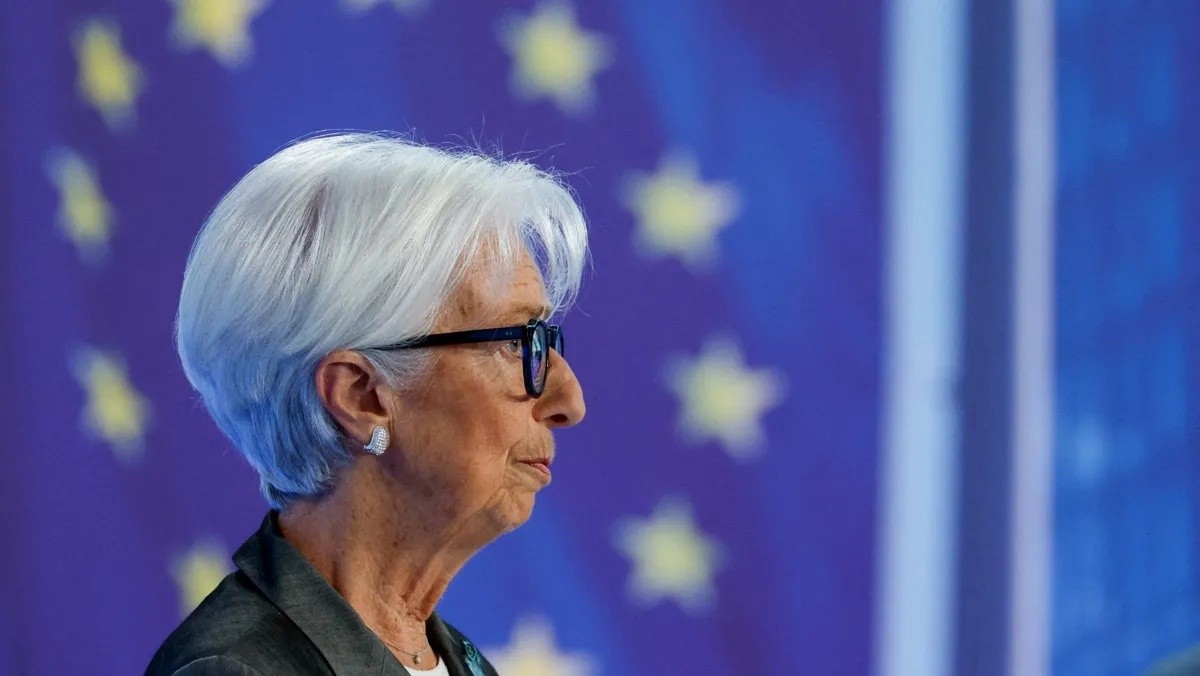
European Council President Antonio Costa announced on Thursday the immediate start of the process to select a successor to Christine Lagarde, who has decided to step down as President of the European Central Bank, ending months of speculation about her future during a critical period for Europe and the bank. Costa posted on X that the process will begin promptly to ensure a smooth transition in leadership, aiming to reach a timely decision. Lagarde is set to leave her position on February 7, 2027, giving EU leaders time to choose her replacement before the French presidential elections. The ECB officially stated that Lagarde informed the Governing Council and the European Council President of her intention to resign on that date. Former central bank governors of the Netherlands and Spain, Klaas Knot and Pablo Hernández de Cos, are considered the leading candidates to succeed Lagarde. Lagarde’s term was originally scheduled to run until the end of October 2027, but speculation about her early departure grew over recent months, with rumors suggesting the World Economic Forum as a possible next destination. These developments come as the ECB is in the midst of raising interest rates to prevent the impact of oil price shocks linked to the war on Iran on prices and wages. The bank is also dealing with a sharp rise in government bond yields, especially in heavily indebted France, increasing borrowing costs for households and businesses, which Lagarde said would limit growth and inflation. French President Emmanuel Macron emphasized the need for an organized and balanced process to select Lagarde’s successor in coordination with European partners, expressing gratitude for her achievements during her tenure. On the same day, the ECB kept interest rates unchanged in a widely expected move but warned of rising inflation risks due to higher energy costs, which could prompt a rate hike in December. The bank had raised rates twice this year to counter inflationary pressures from rising energy prices linked to the war on Iran, indicating that further increases might be necessary but without rushing, given the lack of signs that these pressures are spreading to other prices and wages. The ECB’s statement noted that continued energy price increases pose upside risks to inflation forecasts and downside risks to growth projections.