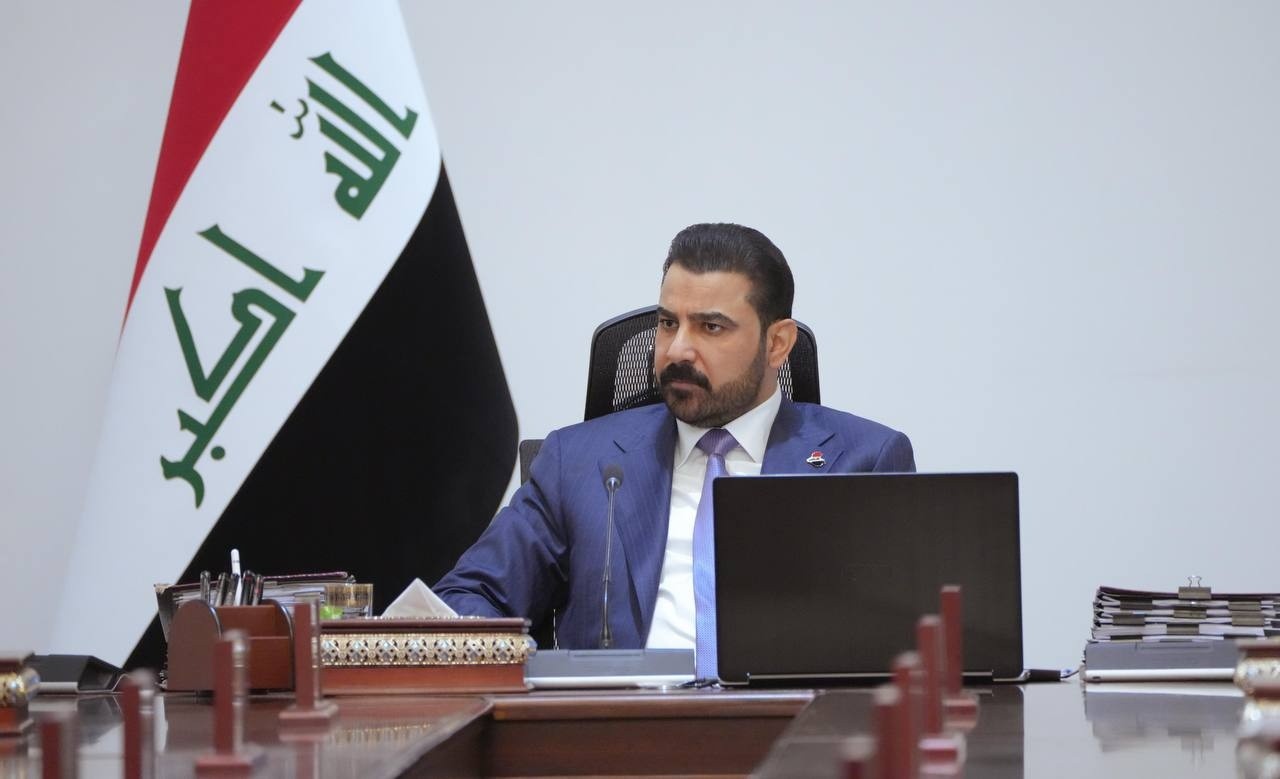
Outcomes first Zaidi government session directives draw integrated economic policy prepare papers
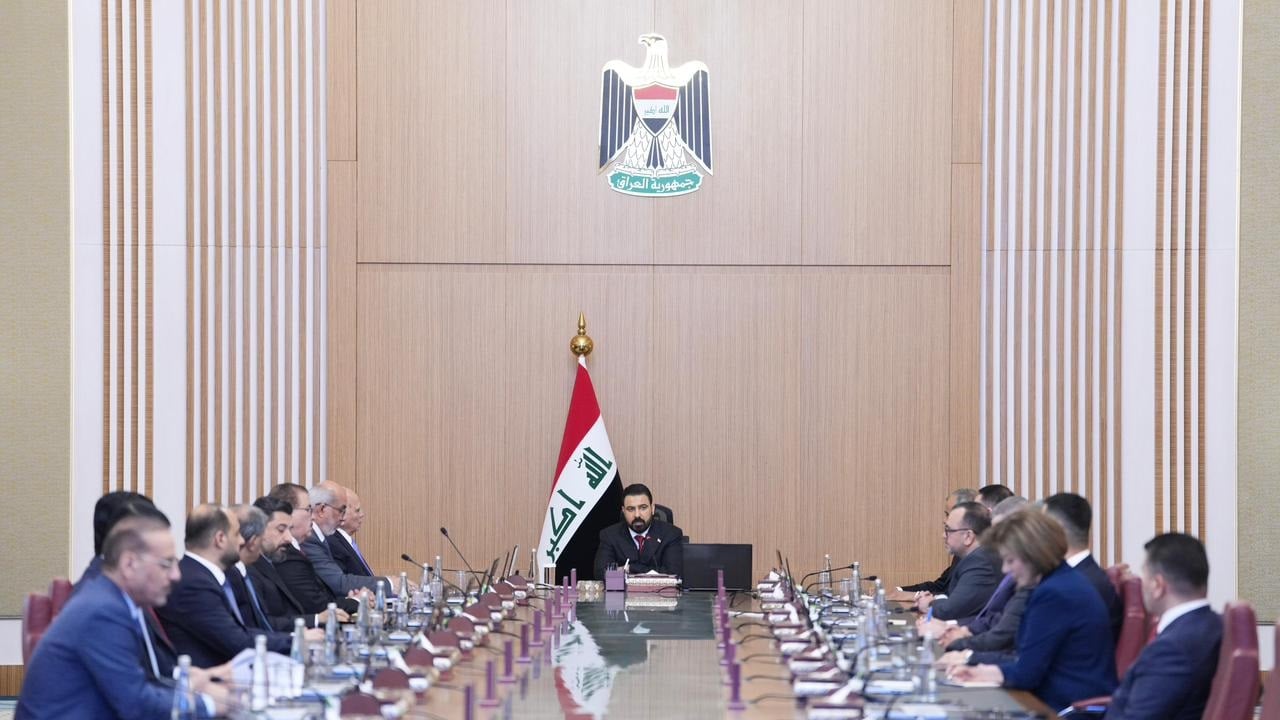
The Prime Minister, Ali Faleh Al-Zaidi, chaired today, Saturday, the first regular session of the Cabinet, while directing the Ministry of Electricity to prepare two papers, one for quick solutions to address electricity in the current summer, and the other long-term to address the development of the electrical network, and the Ministry of Health to activate the Health Insurance Law.
According to a statement by the media office of the Council's presidency, Al-Zaidi listened to interventions by ministers on the reality of ministries, and ways to work to draw general solution lines for their specific problems in order to be adopted by the government.
Al-Zaidi issued a package of directives to the ministers, forming a work roadmap to implement the government's policies, goals, and priorities that serve the citizen, upgrade the service and economic reality, and develop institutional performance.
Al-Zaidi directed "to draw up an integrated economic policy for the country, establish the Financial Stability Council, and that the Ministry of Oil should not be just a ministry for selling crude oil, but rather a ministry for value added to increase production, export, and develop the oil sector."
He also directed "the Ministry of Foreign Affairs to prepare quick papers on files to reactivate Iraqi relations with the Arab, regional, and international environment, and stressed to the Ministry of Electricity to prepare two papers, one for quick solutions to address electricity in the current summer, and the other long-term to address the development of the electrical network, while directing the Ministry of Health to activate the Health Insurance Law."
Regarding the telecommunications and transport sector, Al-Zaidi instructed "intensive work to complete the comprehensive digital transformation and its governance, and that the Ministry of Transport contribute to supporting the country's economy and raising the state budget, through a clear and specific starting line in implementing the development path and accelerating the connection of Iraq to global trade chains."
He called on ministers to "disclose financial assets within a week, starting from the date of issuing this directive, and not to make functional changes or adjustments in the structure of ministries currently, with identifying priorities for each ministry within (30) working days to include them in the government program, which will be discussed in the Cabinet and approved."
He stressed that "the selection of the minister's office director must be exclusively from the employees of the ministry itself, and paying attention to the media office of the ministries and granting space for professional media to cover the ministry's activities."
He also called for "dealing with Arab and foreign ambassadors within official contexts, and in the presence of a representative from the Ministry of Foreign Affairs, taking into account the interests of Iraq, while enabling the Parliament to perform its regulatory and legislative role and communicate with parliamentary committees, and creating a clear vision for managing the ministry and reviewing and simplifying procedures for citizens' transactions."
He emphasized the importance of "coordination with governors to overcome the obstacles facing their provinces, reviewing the ministry's budget and giving priority to stalled and stopped projects, in addition to evaluating employee performance in a scientific and professional manner, and addressing the observations of the Federal Board of Supreme Audit."
Al-Zaidi demanded "giving the fight against corruption and its preventive measures priority in work and cooperation with the Federal Integrity Commission and facilitating its work, stressing the recovery of smuggled Iraqi funds abroad, and working with a single window to facilitate the work of investors and stay away from routine, while distancing official institutions from factional and partisan orientations and political polarization, as well as working in accordance with the provisions of the constitution, active legislation, rules of professional conduct and institutional performance, and maintaining the confidentiality of important state information and documents."
He pointed out the necessity of "adopting the principle of participatory and solidarity management in managing institutions, and seeking expertise and consultations of a specialized nature, with simplifying procedures and automating administrative functions and processes, to ensure increasing the pace of productivity and gaining citizens' satisfaction," calling for "field visits to follow up on the implementation of procedures, learn about problems and solve them, and continuously follow up on the implementation of Cabinet decisions and relevant authorities."
Masella Voice Team
You Might Also Like
Reconstruction and Development Bloc Returns to Parliament Sessions Following Referral of MP Al-Kilabi to Disciplinary Committee
7 hours ago
Federal Supreme Court Annuls Decision Banning Foreign Ownership and Investment in Iraq
7 hours ago