Oil Prices Stabilize Amidst Assessment of Expanded U.S. Sanctions on Iran
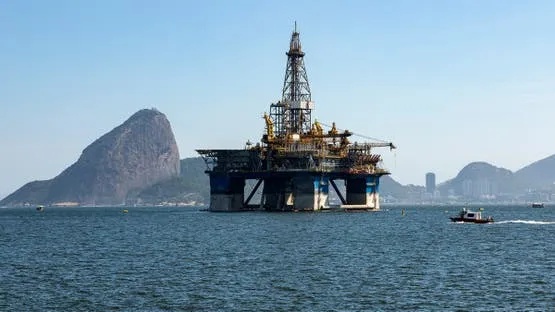
Oil prices stabilized today, Tuesday, following a decline of over 2% in the previous session, as investors await to assess the potential impact of stringent new U.S. secondary sanctions imposed on Iran. Brent crude futures fell by nine cents, recording $92.16 per barrel, while U.S. West Texas Intermediate (WTI) crude rose by one cent to reach $85.02 per barrel. Contracts for both crudes had seen a more than 2% drop yesterday, Monday, with U.S. crude hitting its lowest level in a week, following profit-taking activities that came after a two-week surge in prices. U.S. Treasury Secretary, Scott Pisent, announced yesterday, Monday, an expansion of sanctions aimed at severing Iran's economic lifeline, in an effort to compel it to end the conflict. Pisent emphasized that nations must cut their trade ties with Tehran or risk exclusion from the dollar-based global financial system. However, Pisent did not specify which countries would be directly targeted or reveal the effective date of these new sanctions, indicating his desire to grant the involved nations a grace period to comply with the new directives. In a related context, while U.S. Defense Secretary, Pete Hegseth, did not rule out the option of using military force against Iran last Monday, the United States is currently moving towards intensifying economic pressures. Analysts have considered this shift a factor in dispelling concerns related to potential threats to oil supplies in the Middle East due to the ongoing conflict. In this regard, Tim Wotterer, a senior market analyst at "K.C.M.", stated that "markets perceive economic pressures as a less risky path for supplies compared to military action, which explains the initial reaction of falling oil prices instead of a sharp rise." Nevertheless, Wotterer warned that "Iran still retains the ability to retaliate by disrupting maritime shipping, which justifies the continued existence of a remaining risk premium on crude oil prices." In a relevant context that underscores these threats, the UK Maritime Trade Operations (UKMTO) announced that an oil tanker was hit by an unknown projectile today, Tuesday, leading to its disablement approximately 9 nautical miles (16.7 kilometers) northeast of the Shishah area in the Sultanate of Oman. Iran insists on asserting its control over the strategic Strait of Hormuz, which accounted for nearly 20% of global oil consumption before the outbreak of the conflict in February. Last Monday, Tehran disclosed the names of 45 oil tankers it claimed had violated its rules governing transit through the strait, threatening to take strict measures against them, potentially including the confiscation of their cargo. Supply disruptions resulting from the U.S.-Israel war on Iran, which began on February 28th, have led countries to draw from their commercial and strategic oil reserves. In a related development, the U.S. Department of Energy reported yesterday, Monday, that crude oil stocks within the U.S. Strategic Petroleum Reserve (SPR) decreased by about 3.7 million barrels to 289.7 million barrels last week, marking its lowest level since November 1982.