Lavrov visits Tehran to discuss regional de-escalation efforts
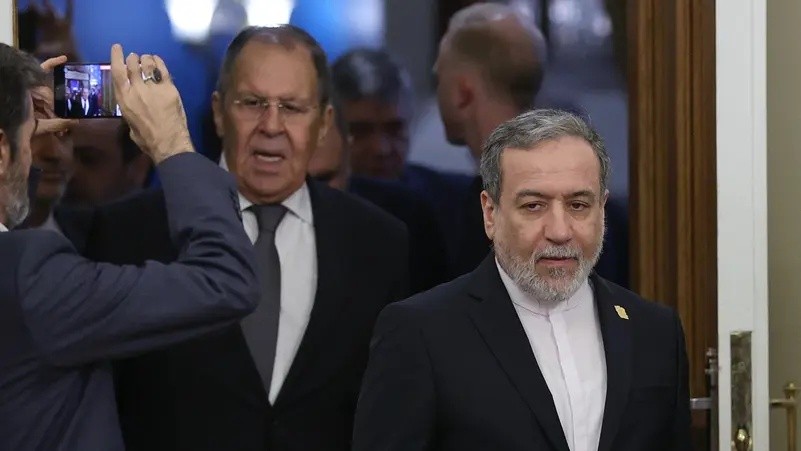
Russian Foreign Minister Sergey Lavrov has arrived in the Iranian capital, Tehran, on his first visit since February 2025, with the aim of discussing de-escalation steps in the region during scheduled talks with his Iranian counterpart Abbas Araghchi. The Russian official is also scheduled to hold a meeting today, Monday, with Iranian President Masoud Pezeshkian, according to the Tass agency. Lavrov's discussions in Iran will place significant focus on practical steps aimed at strengthening the comprehensive strategic partnership between the two nations. It is further expected that he will brief the Iranian side on the key outcomes of his recent talks with the Gulf Cooperation Council states in Manama, which served as the initial stop of his Middle East tour. In a related context, the Russian minister stressed yesterday, Sunday, from Manama on the necessity of returning to the Islamabad agreement signed last June between Iran and the United States, before it collapsed in the first week of the following July. He stated that his visit aims primarily to prevent the return of a large-scale war amid stalled talks between Tehran and Washington. Moscow maintains solid relations with Tehran across multiple fields, and their military and economic cooperation has seen an upward trajectory since the Russian military operation in Ukraine began in 2022, while Russia was also among the first countries to oppose the war on Iran last February, alongside maintaining close ties with all Gulf states. Russia has repeatedly expressed readiness in the past to facilitate dialogue between the American and Iranian sides by receiving quantities of enriched uranium located inside Iranian territory. It is worth noting that the American and Iranian parties had concluded a memorandum of understanding in June mediated by Pakistan, before it collapsed in July with the resumption of Iranian attacks on vessels in the Strait of Hormuz and subsequent US military strikes against Iran. While Tehran insists on supervising navigation in the Strait of Hormuz, which is vital for energy supplies, and targets ships attempting to cross without obtaining its permission, Washington continues to enforce a tight naval blockade on Iranian ports, with its naval assets increasingly escorting oil tankers transiting the strait.