
Israeli Knesset Approves Bill to Restrict Mosque Adhan Loudspeakers
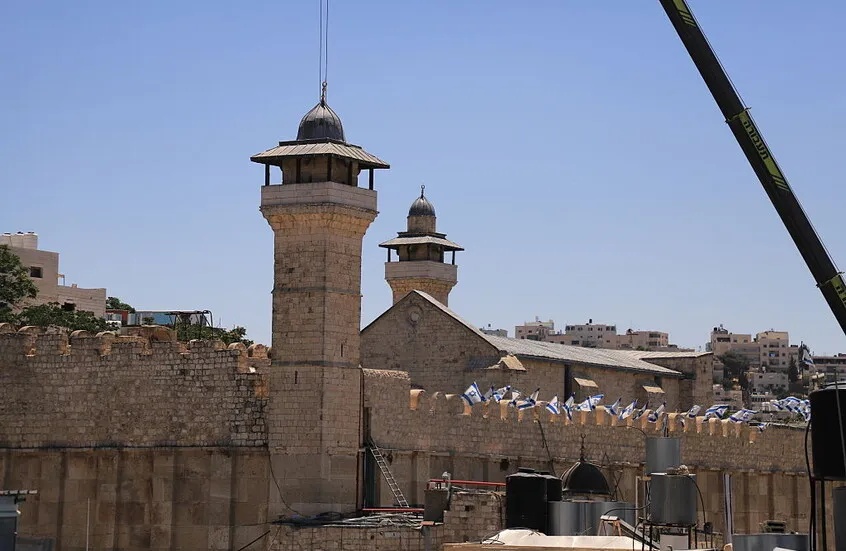
The Israeli Parliament (Knesset) has approved, in its first reading, a bill aimed at restricting the use of loudspeakers in places of worship, particularly mosques, under the pretext of "preventing noise." The draft law received support from 50 members against 36 opponents, a move that sparked widespread controversy and accusations of racism from Arab parliamentary blocs. The "Yisrael Beiteinu" party, led by Avigdor Lieberman, which has been the primary driver of this legislation over the years, backed the bill. Members of the right-wing religious "Shas" party also supported it, causing strong resentment within the Arab "Ra'am" bloc. Conversely, members of the "Yahadut HaTorah" party abstained from voting, a step interpreted as part of understandings with Arab parties, who in turn abstained from voting on a basic law concerning Torah study. Mansour Abbas, head of the "Ra'am" movement and Knesset member, described the law as "racist and anti-religious," considering "Shas" party's support for it "disappointing and shameful." Abbas stated: "We expected a religious party to act in the spirit of the Torah verse that calls not to harm the stranger, because we were strangers in the land of Egypt." He added that the law directly targets the Arab and Muslim community, calling for support for his movement to bring about a change in government, annul the law, and address urgent issues facing the Arab community such as crime, violence, demolition, and discrimination. It is noteworthy that multiple versions of this law have been submitted over the years, most notably about a decade ago with support from members of the "Jewish Home" party, then "Likud" and "Yisrael Beiteinu." Supporters of the law claim its objective is not to infringe upon religious freedom but to protect the quality of life for residents affected by the intensity of mosque loudspeakers, citing precedents in other countries like China. Conversely, opponents, including Arab Knesset members and entities within the Ministry of Justice, argue that the law specifically targets Arabs and Muslims, asserting that the issue of noise can be addressed through existing laws without the need for special legislation that could undermine the principle of equality and freedom of worship. The bill remains in its initial legislative stages, requiring further discussions and votes in second and third readings before its final approval.