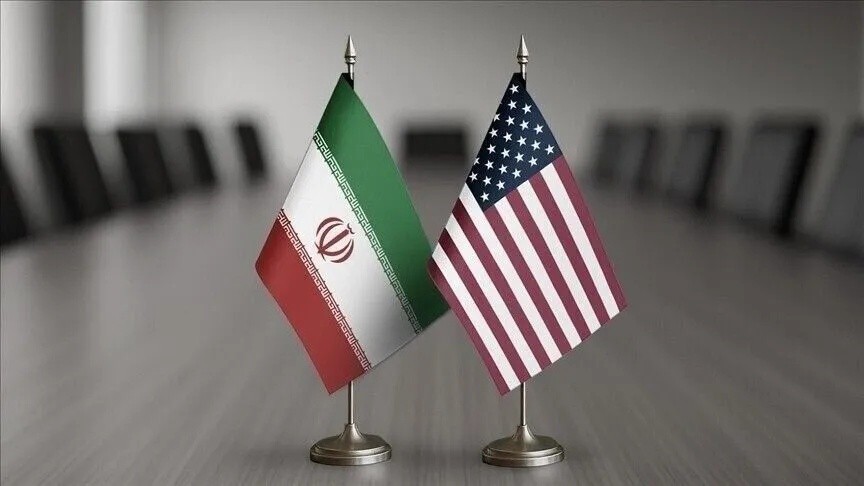
Iranian Revolutionary Guard Announces Expansion of Operational Areas and Readiness for Threats
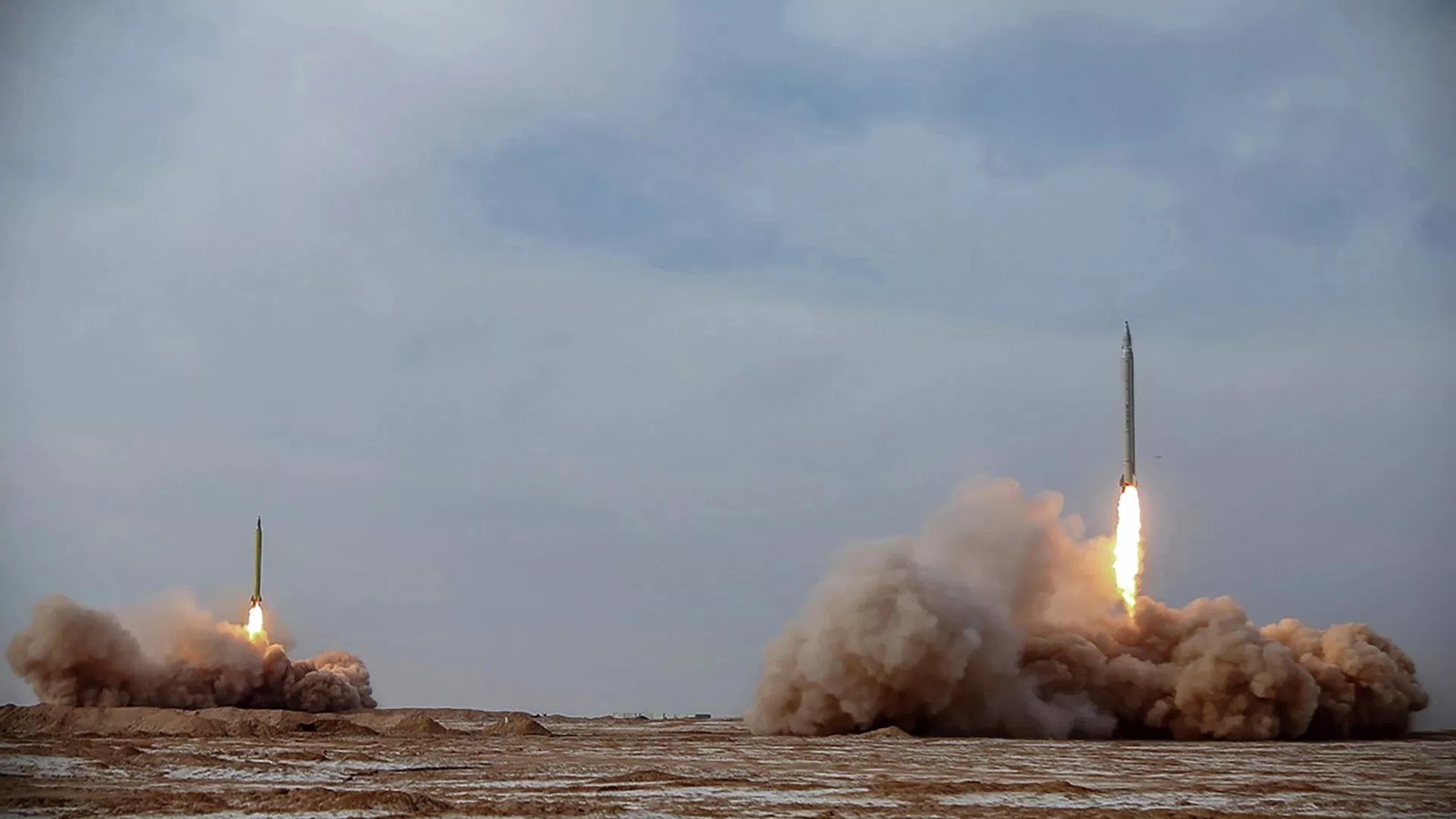
The Iranian Revolutionary Guard announced that it has recently set new targets and is planning operations in new geographic areas in anticipation of any potential enemy attack, emphasizing that the Iranian armed forces are now better prepared to face any threat. The spokesperson for the Revolutionary Guard, Brigadier General Hossein Mohib, stated that Iran has achieved significant victories during the war phases and successfully thwarted enemy plans aimed at overthrowing the regime and dividing the country. He pointed out that the enemy failed to achieve its objectives in the southern region and is struggling to reopen the Gulf and the Strait of Hormuz, which led it to resort to negotiations and mediation. He confirmed that the war exposed the inability of the United States to ensure the security of the Gulf and the Strait of Hormuz, despite possessing the world's largest naval force and maintaining a military presence in the region for decades. He noted that American bases have failed to protect themselves and have instead become a security threat to their host countries. Furthermore, Iranian forces succeeded in detecting and targeting American intelligence bases, downing an F-35 fighter jet, and seizing the latest American naval technologies, revealing the limits of U.S. military capabilities. He added that American dominance in military and economic fields is declining, and the war has demonstrated that the United States is not immune to defeat. The spokesperson stressed that the Iranian armed forces are more prepared than ever to respond to any threat, and the confrontation with the enemy will not be confined to a specific geographic scope. He explained that Tehran is working to expand the scope of confrontation to achieve full deterrence, preventing any country from threatening Iran or coveting its lands and resources. He indicated that the final phase of victory involves reaching a level of smart and strong combat readiness to face the enemy, in line with the Supreme Leader's directives during his meeting with senior military commanders. He confirmed that lifting geographic restrictions on the confrontation allows for broader operational planning and inflicting damage on the enemy, aiming for complete deterrence. In June, the United States and Iran signed a memorandum to initiate a peace agreement process, but escalating conflict practically halted navigation through the Strait of Hormuz. Three weeks later, tensions escalated again as Washington accused Tehran of attacking commercial ships in Hormuz, leading to resumed exchanges of strikes. On August 20, U.S. President Donald Trump announced the start of an economic campaign he described as unprecedented isolation of Iran, while Iranian Foreign Minister Abbas Araghchi regarded Trump's statements as an admission of defeat in the conflict. It is worth noting that the Strait of Hormuz is a vital route for oil, petroleum products, and liquefied natural gas supplies to the global market, impacting fuel prices in most countries worldwide.