Iranian Advisor: Strait of Hormuz Strategic Deterrent Surpassing Nuclear Bombs' Importance
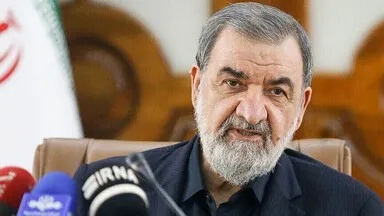
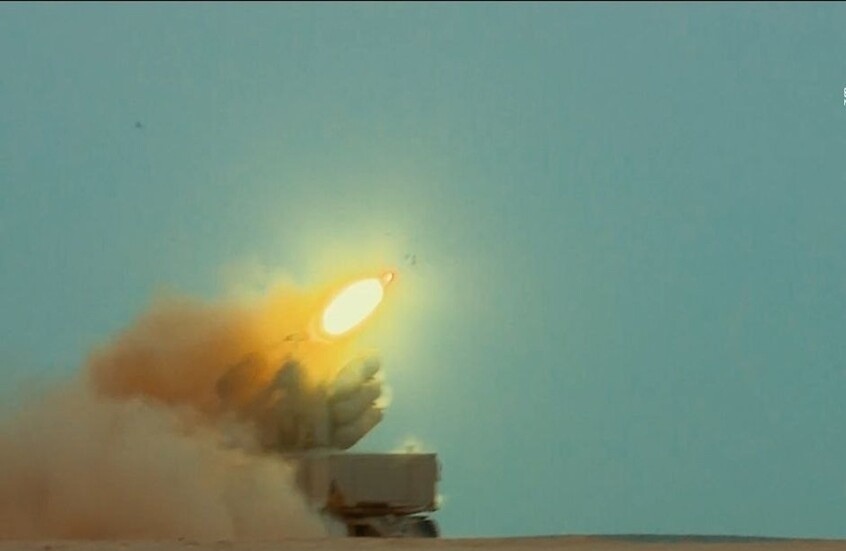
The Military Advisor to Iran's Supreme Leader, Major General Mohsen Rezaei, recently declared the Strait of Hormuz a strategic deterrent more significant than dozens of atomic bombs. He reaffirmed the necessity of avenging the late Supreme Leader Ali Khamenei, stating that Khamenei's martyrdom strengthens revolutionary principles and goals, thus emphasizing retaliation for the martyred leader. In a related development, Iran's Supreme Leader Mojtaba Khamenei had previously vowed revenge against his father, the late Supreme Leader Ali Khamenei's killers. He suggested that "free people from around the world" would soon participate in the "mission of vengeance against Khamenei's killers and other martyrs." Navigation through the Strait of Hormuz remains a central point of the current conflict. In this context, the spokesman for the Iranian Army, Mohammad Akrami Nia, accused the United States of failing to adhere to their memorandum of understanding. He claimed Washington was attempting to impose a navigation route south of the Strait of Hormuz that contradicts the existing agreement. This comes after the Islamic Revolutionary Guard Corps (IRGC) and the Iranian Army recently announced missile and drone strikes. These operations targeted American interests and bases in the UAE, Qatar, Kuwait, Bahrain, Jordan, and Oman. Meanwhile, the US military reported concluding a new wave of airstrikes on Iran, its third this week. The US Central Command stated that approximately 140 Iranian military targets were hit using aircraft from land and sea bases, drones, and naval vessels, noting these actions followed an IRGC attack on a Cyprus-flagged container ship. Responding, the Iranian Revolutionary Guard Corps asserted that the US Army attacked Iran's southern coasts to compensate for its failure in the Strait of Hormuz, warning that continued aggression would prompt a harsher response.