Hormuz Strait Navigation Resumes Amid Emerging Control Challenges
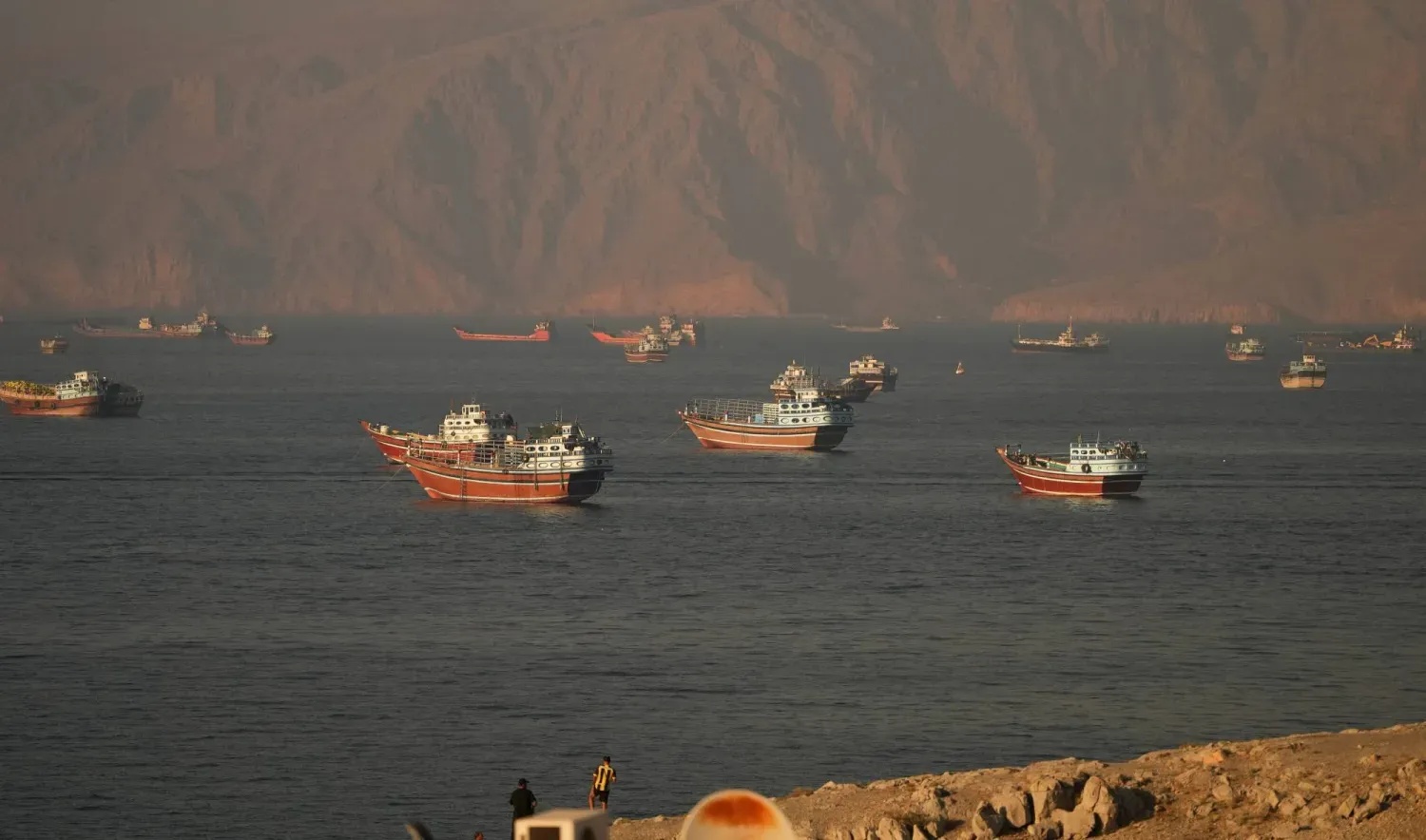
At least eight vessels reversed course between Friday and Saturday after attempting to exit the Arabian Gulf via the Omani coast route. This signals ongoing complexities in the Strait of Hormuz's reopening, as Tehran seeks to assert control over the strategic waterway. Conversely, some vessels continued their journeys after shifting to routes closer to Iranian coasts. Marine tracking data indicated these ships, comprising oil tankers, cargo vessels, and vehicle carriers, were bound for the Strait. Some reached Ras Musandam, overlooking the strait, before executing sharp turns and returning. Subsequently, a crude tanker, two product tankers, and a cargo ship proceeded north to utilize Iran's designated exit route. The direct reason for the vessels' reversal remains unclear, but Tehran has repeatedly affirmed that transit must occur solely via its authorized route. Since last Monday, an average of 34 commodity cargo ships have transited the Strait daily. This marks a notable increase from rates during much of the recent tension, yet remains below pre-crisis levels. Data from the Joint Maritime Information Centre indicated that between June 30 and July 1, 65 vessels transited the Omani coast route, with 59 receiving U.S. support. In previous months, ships attempting to leave the Gulf reported receiving radio warnings from Iranian forces, insisting on obtaining Tehran's permission before transit. Some vessels were also attacked for continuing, raising broader concerns about transit coordination. Despite the mid-June agreement between the U.S. and Iran to reopen the Strait, Tehran maintains its right to manage this strategic passage. Iran's Deputy Foreign Minister for Legal Affairs, Kazem Gharibabadi, reiterated Saturday that his country is "the responsible and guarantor force for the security of the Strait of Hormuz." Conversely, the U.S. continues to support vessel movement via the Omani coast route.