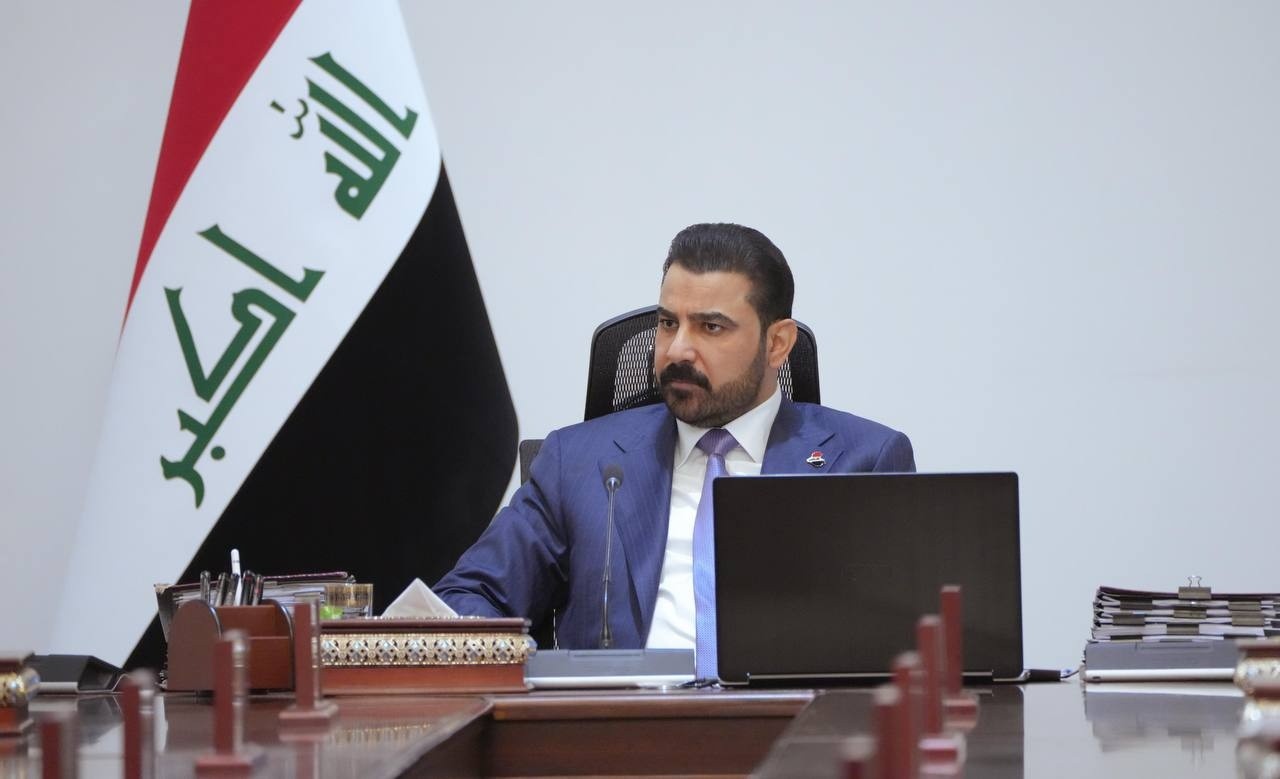
Head of Supreme Judicial Council Affirms Iraqi Judiciary's Full Independence from Interference

Head of the Supreme Judicial Council, Judge Faiq Zidan, affirmed that the independence of the judiciary constitutes the fundamental pillar of any modern constitutional state. He emphasized that the Iraqi judiciary performs its duties completely independently, free from any influence or interference from the legislative and executive authorities, or any other parties. During his participation in a dialogue session for heads of Arab supreme courts, held in Milan, Italy, and organized by the General Secretariat of the League of Arab States through the Arab Centre for Legal and Judicial Research, Zidan clarified that the Constitution of the Republic of Iraq and the Law of the Supreme Judicial Council explicitly stipulate the full independence of the judicial authority. This confirms its status as an autonomous authority, consistent with established international principles of judicial independence. Judge Zidan indicated that the Supreme Judicial Council has made significant efforts to entrench this independence on the ground, thereby contributing to strengthening public trust in the judicial institution, protecting rights, and upholding the principle of the rule of law. He also affirmed that the Council is keen on building a modern and effective judicial system, capable of addressing current security and legal challenges. He noted that the Council has given considerable attention to developing the scientific and professional skills of judges, public prosecutors, and administrative staff. This is achieved through specialized training programs conducted annually in cooperation with international organizations, with a particular focus on areas such as counter-terrorism, cybercrime, and cross-border organized crime. He explained that the Iraqi Judicial Institute plays a pivotal role in preparing and qualifying judges and public prosecutors, and in developing their scientific and professional capabilities, ensuring they keep pace with the latest legislative, legal, and technological developments. He added that the Council established the National Centre for International Judicial Cooperation to serve as its effective arm in promoting international judicial cooperation. This centre works to solidify global judicial partnerships, facilitate the exchange of judicial information and evidence, and develop mechanisms for executing mutual legal assistance requests, as well as extraditing wanted individuals, recovering assets, and tracking cases with a cross-border dimension. Judge Zidan asserted that the efforts led by the National Centre for International Judicial Cooperation have effectively contributed to uncovering numerous terrorist crimes and preventing their execution in several Arab and European countries, in addition to the United States of America. He also pointed out that the Supreme Judicial Council adopted a strategic plan for judicial openness at regional and international levels, which resulted in the conclusion of several memoranda of understanding and judicial cooperation agreements with Arab and international judicial bodies. This cooperation aims to enhance the exchange of expertise and support joint efforts in combating crime and terrorism. Zidan emphasized that the construction and stability of states fundamentally depend on the existence of an effective legal and judicial system. He affirmed that Iraq represents a pivotal country of great importance in the region, noting that its stability and the entrenchment of the rule of law within it positively contribute to fostering security and stability at both regional and international levels.
Masella Voice Team
You Might Also Like
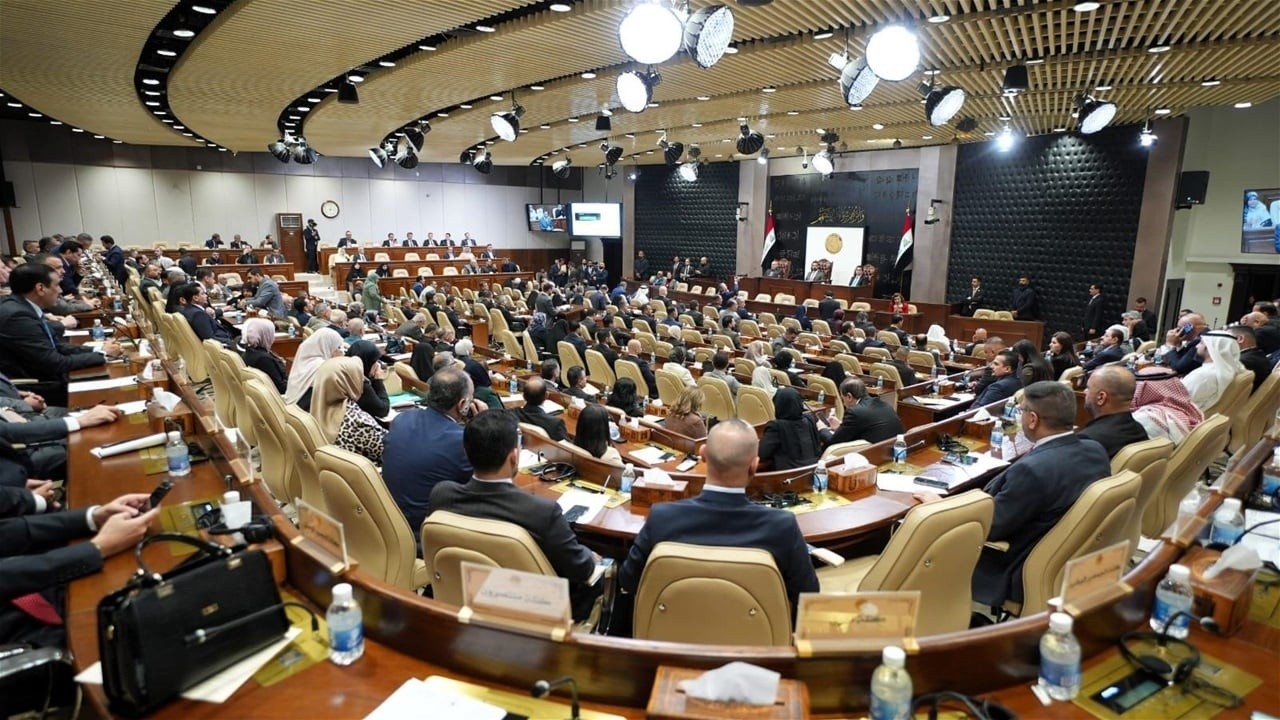
Reconstruction and Development Bloc Returns to Parliament Sessions Following Referral of MP Al-Kilabi to Disciplinary Committee
8 hours ago
Federal Supreme Court Annuls Decision Banning Foreign Ownership and Investment in Iraq
8 hours ago