Government Advisor: Dollar Exchange Rate Change Remains Within Possibility and Political Sphere, Not a Binding Decision.
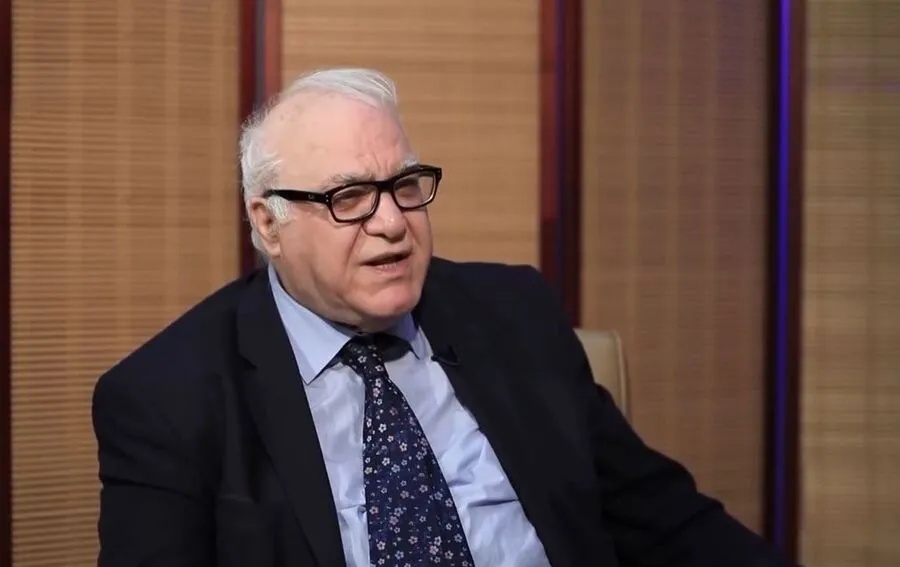
The Prime Minister's Financial Advisor, Mazhar Mohammad Salih, affirmed that discussions regarding an exchange rate adjustment remain within the realm of possibility and general policy, not amounting to an enforceable decision. Salih explained the 2027 federal budget's formation is currently shaped by the political economy of the geopolitical crisis in the Strait of Hormuz. This crisis has influenced probable estimates of oil and other revenues, public spending ceilings, and deficit financing sources (planned or hypothetical) for the upcoming fiscal year. He noted the document, containing the draft borrowing law, presented to the parliamentary finance committee was returned to the Council of Ministers for approval before resubmission to the Council of Representatives for enactment. This process adheres to the constitutional path for legislation. He clarified the draft borrowing law clearly reflects financial policy's aim: establishing a coordinated annual program for deficit financing via internal and external borrowing. This aligns with sound public finance management and public debt sustainability requirements. He explained that an exchange rate adjustment, for valuing oil revenues and foreign currency flows, demands precise agreement between the independent monetary authority (responsible for monetary stability and exchange rates per Central Bank Law No. 56 of 2004) and the fiscal authority (the country's main foreign currency source from oil or external borrowing), serving both budget and monetary system, given Iraq's rentier economy. He stated that, under all circumstances and amid joint financial and monetary consultations, the exchange rate remains a contractual rate, legally stable as per the annual general budget law. The current contractual rate matches the previous budget's. He stressed that absent an institutional, political, and legal consensus for change, exchange rate adjustment discussions remain within possibility and policy, not an executive decision. The advisor highlighted that the 2027 budget examination should not be confined to revenue, expenditure, and deficit figures. Instead, it is a comprehensive document reflecting the state's political economy balances and its capacity to absorb external shocks, especially those linked to the oil market and Gulf geopolitical corridors. It also illuminates the fiscal and monetary policy relationship in an economy heavily reliant on oil revenues.