Gas shipments via Strait of Hormuz hit monthly high since conflict
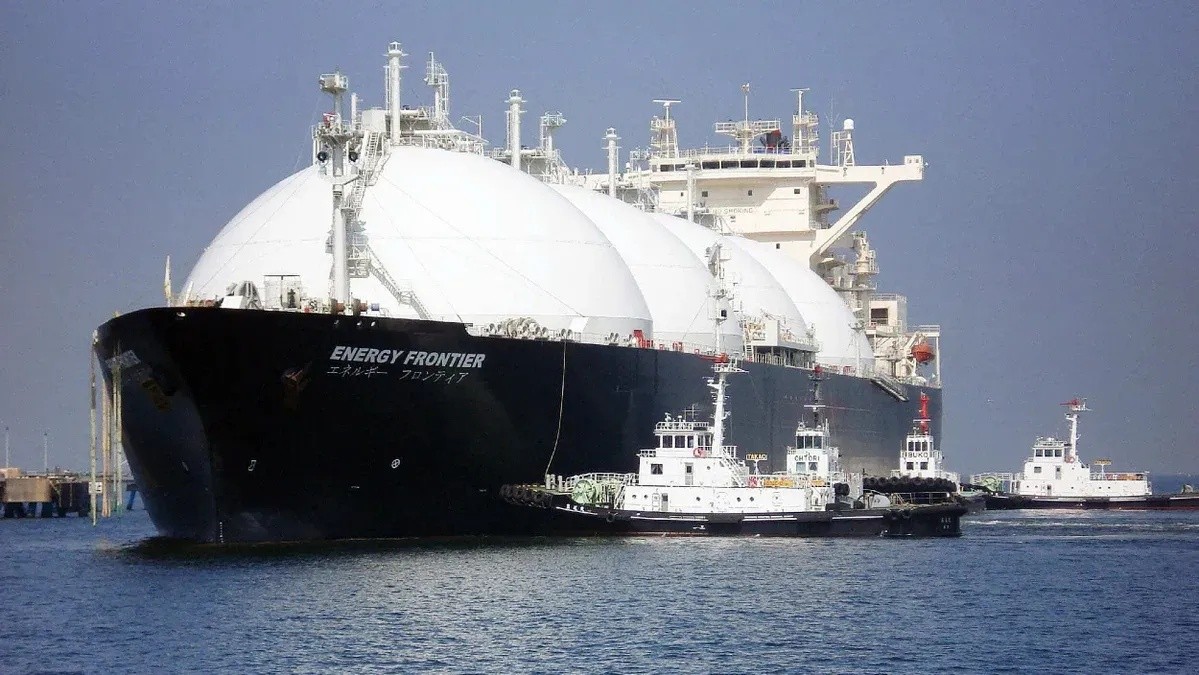
The number of liquefied natural gas shipments transiting the Strait of Hormuz increased in September to reach the highest monthly level since the outbreak of the US-Israeli war on Iran, amid ongoing security concerns and prevailing ambiguity. Data from specialized analytics firms showed that the vital waterway witnessed a total of 19 LNG shipments crossing, distributed as 13 shipments from Qatar and six from the United Arab Emirates. In the same context, estimates from Standard & Poor's Global Energy indicated that these figures compare with 15 shipments recorded in June, coinciding with the implementation of the agreement between the United States and Iran. Eric Yep, senior analyst at the firm, pointed out that LNG transit traffic struggled during the second half of September, noting that if this upward trend continues through October, monthly transit traffic could see a recovery reaching 25% of pre-war levels. For its part, data from Kpler showed that the total shipments crossing the strait in September reached 21 shipments, also rising from 15 shipments in June. Recent weeks have witnessed a larger number of LNG tankers associated with QatarEnergy, whether laden or empty, transiting the Strait of Hormuz despite the ongoing conflict. Vessel tracking data from Kpler and the London Stock Exchange Group revealed the appearance of three additional LNG tankers carrying shipments from Qatar's Ras Laffan export facility outside the waterway, including the vessels Al Kharraitiyat and Al Ghariya, associated with QatarEnergy. Al Kharraitiyat was last seen inside the strait between September 22 and 23 before reappearing off India's west coast between September 29 and 30, and is currently sailing off Sri Lanka. As for Al Ghariya, which disappeared from tracking data inside the strait between September 23 and 24, it reappeared on September 30 off India's west coast. Regarding the third vessel, Milaha Qatar, managed by Germany's Pronav Ship Management, it was last spotted in the strait between September 17 and 21 before reappearing in western India on September 30, and is currently unloading its cargo at Hazira port on India's west coast. So far, QatarEnergy has not responded to a request for comment, while Pronav Ship Management declined to comment. As part of operational practices, many vessels crossing the strait resort to so-called "dark transit" operations by turning off their Automatic Identification System transmitters to avoid detection. Analysts emphasized that the main concern remains whether the transit of LNG shipments through the Strait of Hormuz can be sustained throughout the upcoming winter season. They added that this depends on whether Iran will resort to a more dangerous military escalation if it considers that increased exports through the strait reduce its leverage associated with its sovereignty over it, as well as whether cargo convoys escorted by the US Navy will be able to continue despite the high cost. It is worth noting that the Strait of Hormuz served as a corridor for about one-fifth of the world's supplies of crude oil and liquefied natural gas before the outbreak of the conflict on February 28.