France Warns of Long-Term Impacts from Energy Crisis
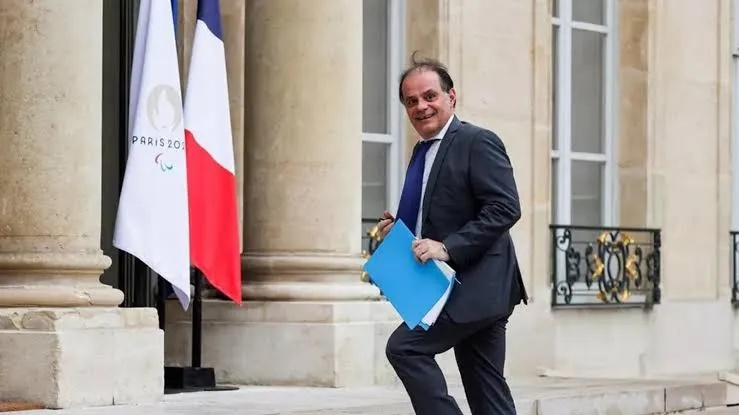
The Governor of the Bank of France, Emmanuel Moulin, warned that the ongoing energy crisis, stemming from the conflict in the Middle East, has already begun to drive price levels upwards, emphasizing that it will leave long-term consequences for the economy, regardless of short-term geopolitical developments. Moulin clarified that over three months after the outbreak of events, it is now evident that the energy crisis will persist, irrespective of the political trajectory. He noted that the rise in oil and gas prices has started to impact other components of the Consumer Price Index (CPI), particularly some services, although clear secondary effects through wages have not yet materialized. He also considered the European Central Bank's move to raise interest rates necessary to contain these inflationary pressures. In a related development, data from France's National Institute of Statistics and Economic Studies (INSEE) revealed an annual inflation rate increase to 2.4 percent in May, up from 2.2 percent in April. This rise is attributed to higher energy prices, coinciding with escalating tensions in the Middle East region. Gas prices experienced a significant jump of 11.3 percent, following a decline in the preceding month. Service prices also rose by 2.1 percent. Conversely, food price growth slowed for the fourth consecutive month, while prices for manufactured goods and tobacco remained stable. The institute also indicated an increase in transportation service prices, particularly air transport, which recorded a 6.8 percent rise in May compared to 2.5 percent in April. On an annual basis, petroleum product prices remained significantly high, despite a slower pace of increase, registering an overall rise of 31.1 percent. France's Harmonized Consumer Price Index (HICP), the benchmark used for comparison among Eurozone countries, increased by 2.8 percent year-on-year in May, up from 2.5 percent in April.