Deep Divisions Emerge Among European Union Leaders Over Upcoming Future Budget
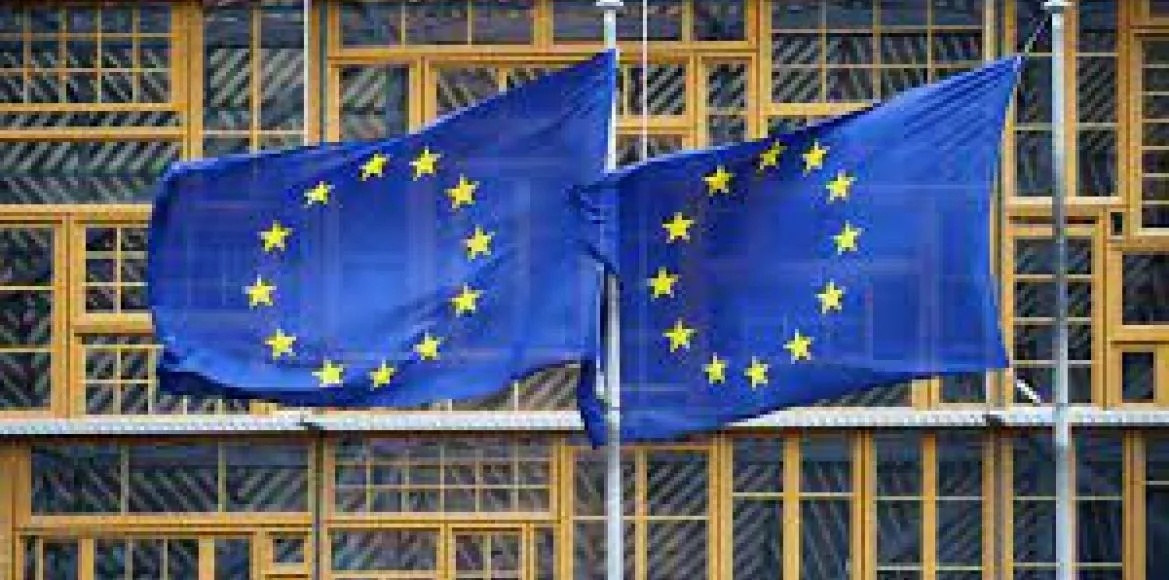
The European Union is witnessing growing division among its leaders regarding the bloc's long-term budget, amid varying objections from net contributing and net beneficiary states to the initial proposal. This proposal aims to define spending areas and revenue sources for the period spanning 2028 to 2034. The EU budget serves as the primary tool for funding the policies of the 27-nation bloc, encompassing support for farmers, technology development, student exchange programs, and reducing economic disparities among member states. According to the European Commission's proposal, the EU budget for the aforementioned period is projected to reach approximately two trillion euros (equivalent to 2.3 trillion US dollars). Wealthier EU nations contribute more than they receive, while lower-income countries benefit from net transfers. As each seven-year budget cycle approaches, the struggle between these two sides intensifies to reach a unanimous agreement, a crucial condition for budget approval. Earlier, the Cypriot presidency of the EU proposed a 2 percent reduction in the budget from the Commission's initial estimates. However, this proposal failed to satisfy all parties; some viewed it as a limited cut that did not meet their demands, while others considered it an overestimation of spending. German Chancellor Friedrich Merz, whose country is the largest net contributor, stated that the proposal is "greatly exaggerated," emphasizing that "the figures must be reduced." Meanwhile, Dutch Prime Minister Rob Jetten, whose country is also a net contributor, criticized the draft's focus on traditional spending instead of bolstering vital areas such as defense and innovation. Jetten added that Europe needs a budget that reflects current challenges, warning against "relying on a budget that dates back to the 1990s." Conversely, Spanish Prime Minister Pedro Sanchez, representing a net beneficiary country, deemed the proposal modest. He called for increased spending on agriculture and cohesion policies to keep pace with inflation, asserting his country's rejection of the current version and describing it as "even less efficient than the initial version." Under current rules, an agreement on the budget must be reached by the end of 2027. However, upcoming elections in several European countries next year are increasing pressure to reach a settlement by the end of this year, to avoid politicizing the issue during election campaigns. To reduce the burden on contributing nations while maintaining spending ambitions, leaders must agree on new revenue sources for the EU, rather than solely relying on national contributions. Merz reiterated this point, stating: "We cannot spend more than we have, and we will not allow the European Union to incur more debt." Proposed new funding sources include revenues from the emissions trading system, fees on imported goods with a high carbon footprint, taxes on electronic waste and tobacco, in addition to contributions from large corporations, digital taxes, and financial activities like cryptocurrencies. Although no final decisions on funding sources are expected at Friday's meeting, leaders will express their preferences, paving the way for a new consensual proposal from the Irish presidency by October.