Al-Hakim: Hormuz Crisis Temporary; Urges Economic Diversification
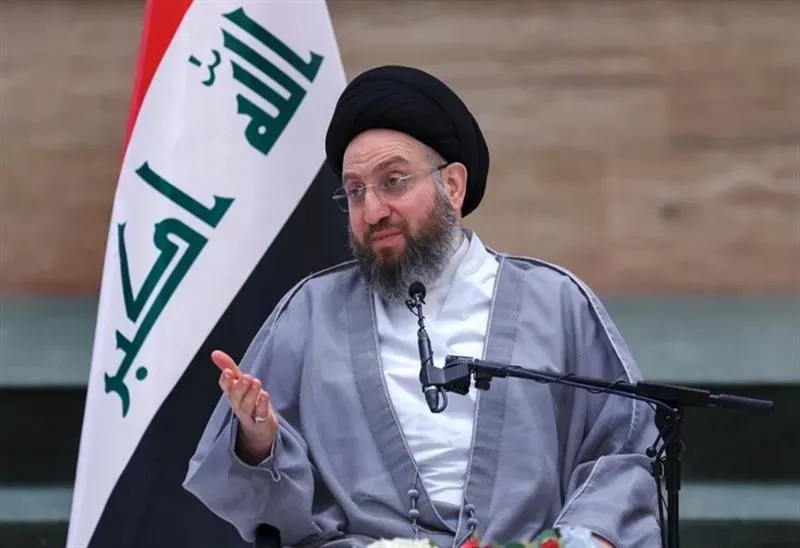
Chairman of the Wisdom Movement, Ammar al-Hakim, affirmed today, Saturday, that the Strait of Hormuz crisis is not a long-term issue and will be resolved, urging lessons to be learned from the current economic crisis. Al-Hakim met with student leaders during Baghdad's Diwan activities, where he congratulated them on the Prophet's birthday and Imam al-Sadiq's birth (peace be upon him). He also offered condolences for the martyrdom anniversary of Grand Ayatollah Sayyid Muhammad Baqir al-Hakim (may his soul rest in peace), according to the Gregorian calendar. Al-Hakim emphasized the importance of adhering to the Noble Prophet Muhammad's methodology (peace be upon him and his family) and emulating his humanitarian dimension. Al-Hakim also stressed the ethical nature of the Messenger's mission, noting that ethics significantly impact human life. He referenced the Prophet's humility and simplicity, highlighting that he was not distinguished in his posture or gait, and was tolerant and forgiving of personal offenses. He further pointed to the social aspect of Islamic worship and transactions, such as congregational prayer, Hajj, and Zakat, which implies human responsibility towards one's environment and community. Al-Hakim underscored the importance of seizing opportunities and demonstrating capabilities through action, and the necessity of affiliating with influential entities to foster societal change. He affirmed the importance of choosing an entity capable of empowering and supporting youth, recognizing their great potential and the need to discover their abilities. He further urged the rejection of sectarian rhetoric, cautioning against agendas attempting to divide people and convert them into tools for spreading such discourse. Al-Hakim addressed Iraq's challenges, primarily the economic one, with national revenues declining due to an inability to export oil. He clarified that the Strait of Hormuz crisis is temporary and will be resolved, God willing, reiterating the call to learn from the current economic crisis. He emphasized that Iraqi oil exports should not be solely reliant on Hormuz, but rather diversified through a network of multiple pipelines to the Red Sea and Mediterranean. Al-Hakim stressed utilizing the current phase to diversify Iraq's economy and transition away from a rentier state model. This would be achieved through a five-pillar plan: agriculture, industry, tourism, investment, and modern technology. He indicated that activating these sectors is feasible with effort, work, and appropriate legislation. Regarding security, Al-Hakim affirmed the importance of restricting arms to state control through understanding and dialogue, commending the factions' efforts in confronting ISIS terrorism and restoring Iraqi state sovereignty. He clarified that this arms restriction is an Iraqi project, with weapons to be handed over to the Popular Mobilization Forces as an official security institution. He reaffirmed his support for the anti-corruption campaign and the recovery of stolen funds, highlighting the crucial role of the Development Fund project in stimulating the private sector.
Masella Voice Team
You Might Also Like
Reconstruction and Development Bloc Returns to Parliament Sessions Following Referral of MP Al-Kilabi to Disciplinary Committee
10 hours ago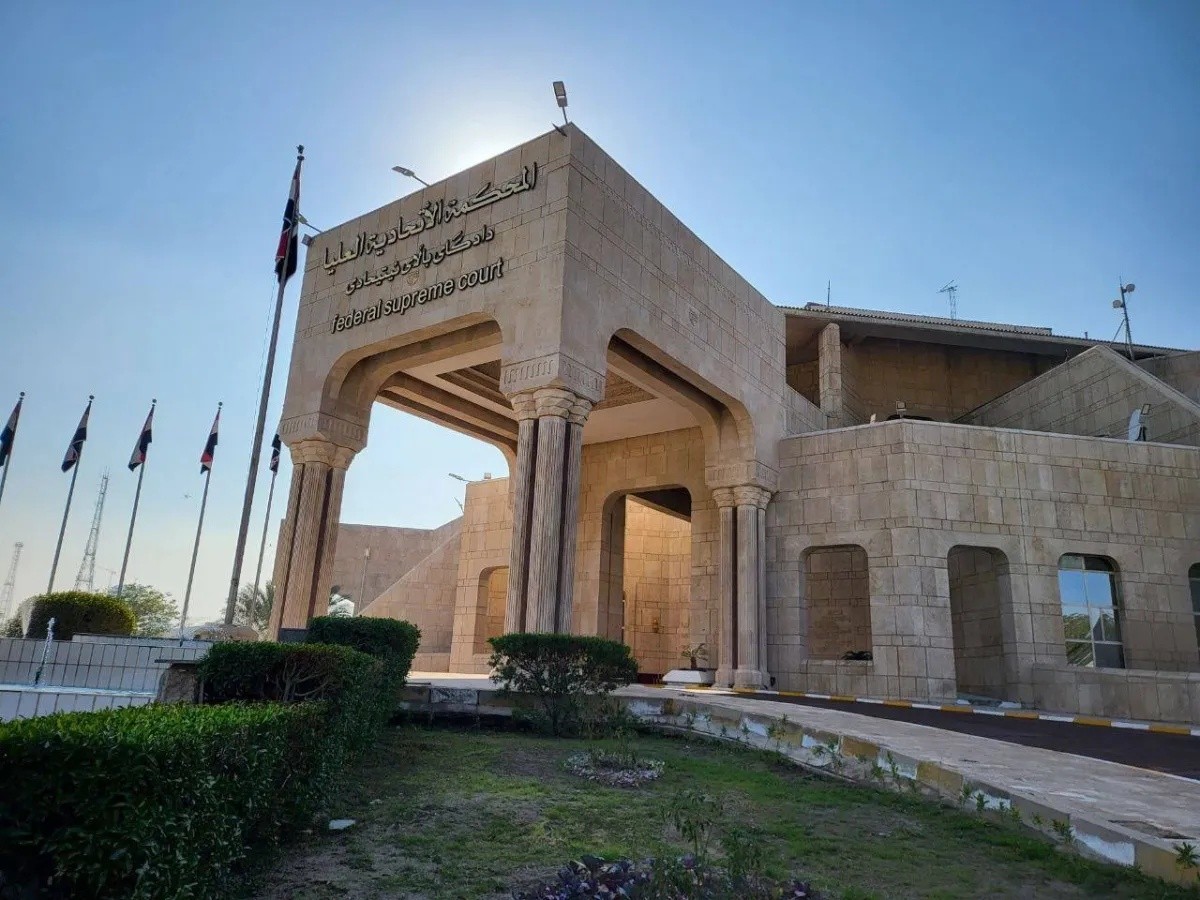
Federal Supreme Court Annuls Decision Banning Foreign Ownership and Investment in Iraq
10 hours ago