Washington Seeks G20 Support to Intensify Iran's Economic Isolation
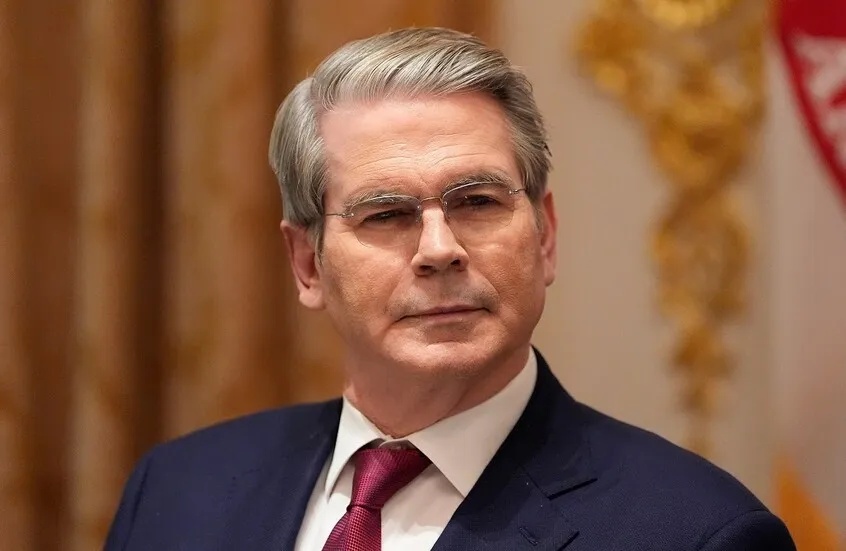
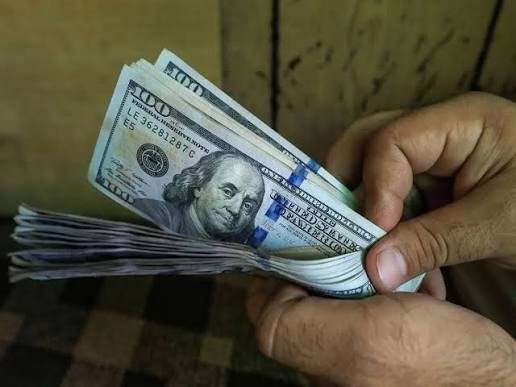
The United States is hosting a meeting of G20 finance ministers and central bank governors in Asheville, North Carolina, where Washington aims to rally support from member nations to intensify economic pressure on Iran and isolate its economy from international financing and trade sources. US Treasury Secretary Scott Bessent is expected to press his G20 counterparts, both in bilateral meetings and during official sessions, to ensure their adherence to American sanctions against Tehran. These efforts are part of a broader campaign by the administration of President Donald Trump, intended to sever Iran's financial and economic lifelines. A senior official at the US Treasury Department stated that the issue of Iran will be discussed in Bessent's bilateral meetings, indicating that Washington seeks to bolster international solidarity in confronting what it describes as financial networks supporting the Iranian economy. These American endeavors come as Tehran faces a severe economic situation, with oil exports plummeting to extremely low levels, the rial depreciating against the dollar, and inflation rates surging to over 80 percent. Mobilizing the support of G20 nations for Iran's economic isolation presents a significant diplomatic challenge for Washington, especially considering the robust trade and economic ties connecting Iran with several key G20 members, prominently China. China is the largest importer of Iranian oil, making its stance and participation in any move to tighten economic restrictions on Tehran a crucial factor in determining the success of the American campaign. The US Treasury recently imposed sanctions on companies in Hong Kong and China, accusing them of involvement in the illicit transfer of Iranian oil and supporting Tehran's missile program. In response, Beijing declared its intention to take all necessary measures to protect its rights and interests. This heightened US pressure on China precedes the anticipated summit between President Donald Trump and his Chinese counterpart Xi Jinping in September, adding a layer of sensitivity to the issue for the American administration.