Washington Probes Secret F-35 Components Diverted to Hong Kong Amid Espionage Fears
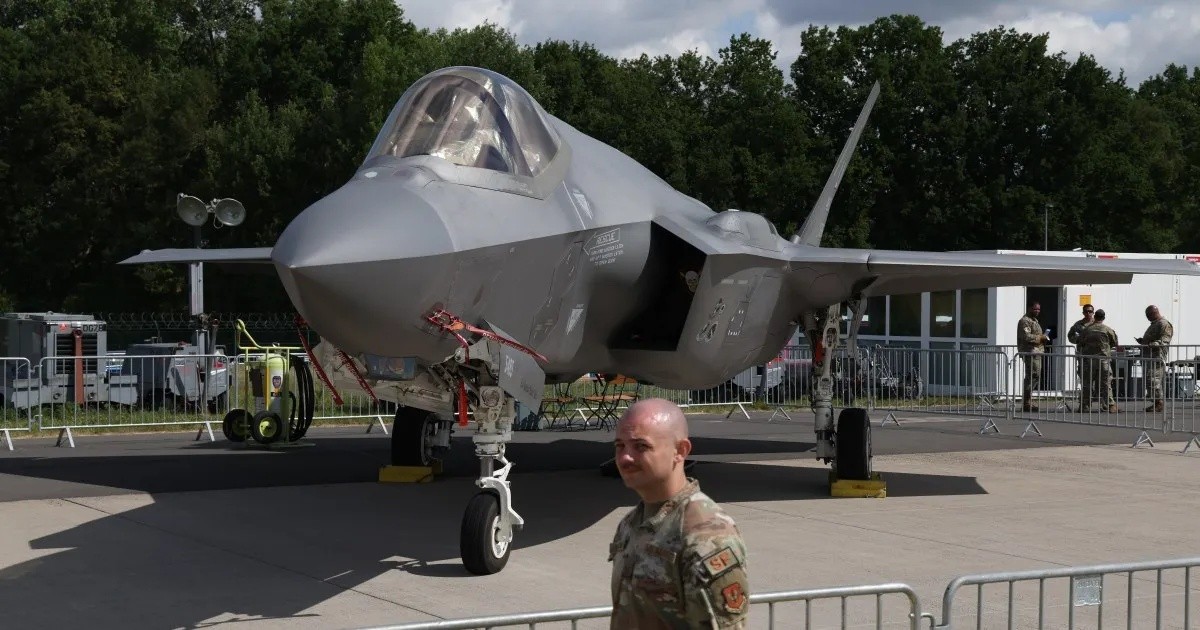
A wide-ranging investigation has commenced in the U.S. Congress following an incident involving the diversion of a highly sensitive shipment of advanced F-35 fighter jet components to Hong Kong during the summer. This has raised serious concerns about critical U.S. military technology potentially falling into the hands of foreign entities, particularly China, as reported by Politico. Information from three individuals familiar with the details of the incident indicates that F-35 fighter jet parts, intended for repair operations, were en route from Australia to the United States. However, the shipment’s trajectory unexpectedly altered while crossing the Pacific Ocean, ultimately ending up in Hong Kong. The U.S. Department of Defense has confirmed the disappearance of some of these components, yet the reasons behind the diversion and the current holder of the parts remain unclear. The controversial shipment, transported by a broker on behalf of the fighter’s manufacturer, Lockheed Martin, included one of the cockpit canopies. These canopies are of paramount importance as they contain advanced stealth technology, available exclusively to the United States and its close allies, according to two individuals knowledgeable about the matter. There are fears that an adversary could study these components and potentially reverse-engineer the core technology if one of these canopies were to fall into their possession. The F-35 Joint Program Office (JPO) within the U.S. Department of Defense stated it is aware of "a problem with a shipment of unserviceable F-35 Lightning II components." The JPO is collaborating with U.S. authorities and industry partners to recover these components, investigate the circumstances of the incident, and establish preventive measures to avert similar occurrences in the future. The redirection of the shipment to Hong Kong, a special administrative region of China, effectively placed these sensitive military components within Beijing’s sphere of influence. Notably, China has a documented history of extensive espionage operations targeting classified Pentagon military programs, including the F-35 program itself. In this context, Jay Jay Gertler, a former military aviation analyst at the Congressional Research Service and former staffer on the House Armed Services Committee, stated that China has intensely sought F-35 data through cyber espionage and other means. Gertler noted that possessing an actual physical part of the fighter jet could provide crucial additional information to verify previously obtained data or even to enhance it. The F-35 supply chain heavily relies on the transfer and repair of parts through facilities located in multiple countries. Despite the presence of F-35 maintenance facilities in Australia, none are currently capable of repairing the complex canopies. Lockheed Martin manages the overall supply chain for the program and typically utilizes commercial shipping companies for parts transport. For its part, Lockheed Martin stated it could not discuss the status of shipments due to security reasons. However, the company affirmed its adherence to all U.S. regulations pertaining to the shipping of aircraft components, emphasizing that its teams handle every shipment with stringent protective measures to ensure the integrity of the F-35 program and the security of its allied partners. The F-35 canopy is a vital component of the aircraft's stealth capabilities. It consists of an acrylic dome covering the cockpit, coated with a thin layer of radar-absorbing transparent material, which helps conceal the aircraft from enemy radars. This protective layer can degrade over time, necessitating the repair or replacement of canopies across a fleet exceeding 1,300 fighter jets produced for the United States and its allies. The U.S. State Department declined to comment on the incident, while the Chinese Embassy stated it had no knowledge of it. The F-35 program involves the United States and other nations, including the United Kingdom, Australia, Denmark, Norway, and Poland. The program operates on a shared parts management system, where participating countries allow access to a common inventory of spare parts stored globally. The U.S. Department of Defense retains ownership of these parts until they are installed on board the fighter jet. Despite the Department of Defense bolstering its oversight of the F-35 supply chain in recent years, it does not record the spare parts available in the shared inventory, with Lockheed Martin assuming full responsibility for its management. In 2023, a report from the U.S. Government Accountability Office (GAO) revealed the loss of over one million F-35 spare parts over the preceding five years. The report indicated that the Department of Defense was unable to review losses valued at tens of millions of dollars due to Lockheed's complete control over relevant information.