Washington considers easing sanctions on shadow fleet tankers to reduce global shipping costs
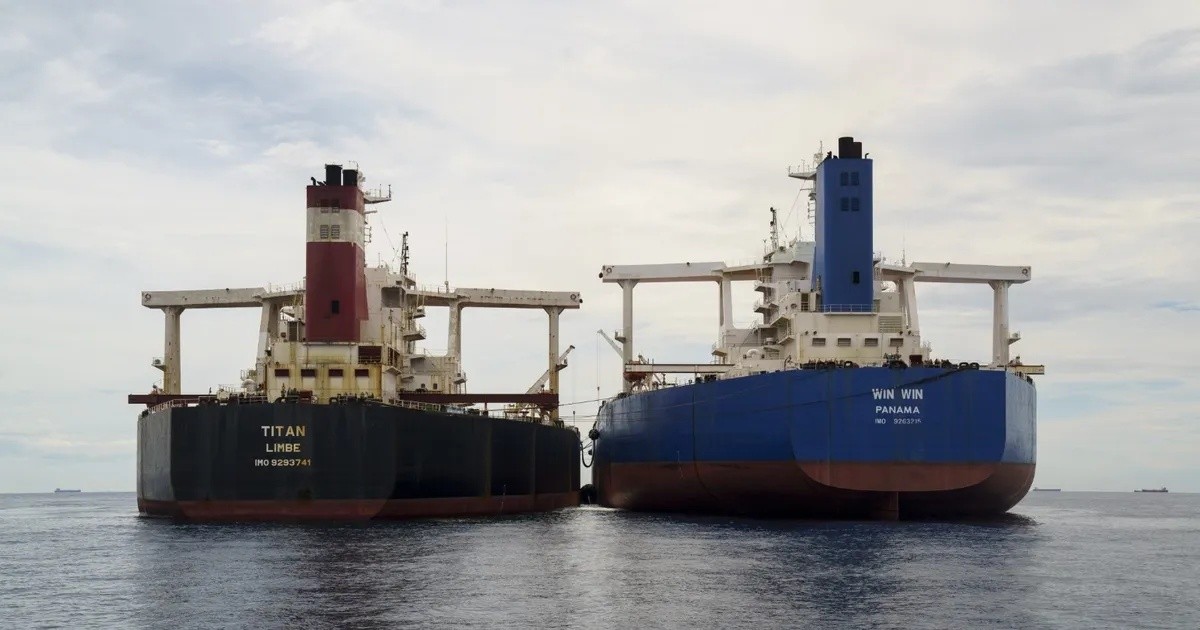
US President Donald Trump's administration is considering easing sanctions imposed on shadow fleet tankers in an effort to reduce global shipping costs that have jumped to record levels amid escalating disagreements with Ukraine over its targeting of Russian energy facilities. A US official told Reuters on Wednesday that discussions focus on potentially allowing vessels previously subjected to sanctions to transport legitimate oil shipments meaning crude oil and petroleum products not subject to US sanctions and not banned Russian and Iranian oil shipments. The discussions include ships used to transport oil and petroleum products from countries including Russia Iran and Venezuela while the official explained that the goal of the potential move is to facilitate the outflow of more crude oil and refined products from the Gulf region. This means Washington is discussing easing restrictions on vessels used in oil transportation rather than lifting sanctions on banned crude and petroleum product shipments itself which could allow more tankers to be used in non-sanctioned oil trade. These US discussions come at a time when the oil tanker market is facing a severe shortage of available vessels coinciding with the recovery of oil exports from the Gulf region and the continuation of navigation disruptions caused by the war in Iran. Energy and oil ministers in the OPEC plus alliance warned during a meeting held in Riyadh on Monday on the sidelines of the World Petroleum Congress that the disruption of energy flows due to the war raised shipping and insurance costs to unprecedented levels exceeding one third of the commodity value which hinders the efficient transport of crude oil and petroleum products and adds inflationary pressures to the global economy. The ministers stressed that the exceptional rise in shipping and insurance costs passes through the oil value chain increasing burdens on producing and consuming countries and affecting global economic growth while emphasizing the importance of protecting international maritime corridors to ensure the continued flow of energy. To understand the scale of the rise in shipping costs it is sufficient to look at the cost of chartering an oil tanker from the United States to China which reached about eighty million dollars exceeding the cost of launching a standard Falcon 9 rocket belonging to SpaceX amounting to seventy-four million dollars according to data from ship brokerage firm Gibson. The same amount could have been used to buy a brand-new oil tanker with the exact same specifications earlier this year. The rise extended to crew wages with the Financial Times reporting citing sources close to tanker owners and crews that captains of vessels operating in the Gulf may earn about one hundred thousand dollars per month in addition to a bonus of fifty thousand dollars for each transit of the Strait of Hormuz compared to a usual captain salary of about fifteen thousand dollars per month. This reflects mounting pressures on the shipping market as oil transport freight rates on the US to China route jumped to about forty-one dollars per barrel compared to an average of four dollars and fifty cents per barrel last year in light of limited available tankers and complexities in transporting shipments through the Strait of Hormuz. The study of easing sanctions on vessels comes within a series of US moves to reduce energy costs coinciding with the escalation of disagreements between Trump and Ukrainian President Volodymyr Zelensky over ongoing Ukrainian attacks on Russian energy facilities. Trump had repeatedly demanded Zelensky halt the targeting of Russian facilities and threatened to cut off US weapons supplies to Ukraine to pressure it to comply with his demands. The US president escalated his tone last Saturday telling reporters at the White House that he believes the time has come for Ukraine to have a new president adding that the country needs a leader who can reach a deal with Russia. Zelensky responded to Trump on Wednesday saying in an interview with British broadcaster Piers Morgan that it is painful that President Trump chose one side not our side. These statements come after Trump reached an agreement with his Russian counterpart Vladimir Putin to partially ease restrictions on Russian diesel exports in an effort to increase available supplies in global markets and curb rising fuel prices. Under the agreement more than three hundred thousand tons of diesel are supposed to be supplied immediately followed by five hundred thousand tons in November then one million tons alongside three million additional tons whose provision depends on the condition of Russian refineries. Trump also announced Sunday a tentative agreement to temporarily halt the targeting of energy facilities between Russia and Ukraine writing on his Truth Social platform that both parties agreed and not to violate the agreement. Neither side confirmed the truce and the past two days witnessed intense Russian shelling including Ukrainian power plants. The US moves regarding Russian fuel exports drew criticism from Zelensky European countries and some Republican senators who considered the move a gift to President Putin that could provide Moscow with additional revenue to finance its war in Ukraine. The severity of the disagreement widened Wednesday after Zelensky accused Trump and Elon Musk of restricting the Ukrainian military access to SpaceX satellite internet services which according to the Ukrainian president affected his forces ability to intercept Russian drones. Zelensky said in the interview that he believed the restriction of services was intentional considering it a big mistake. Musk responded to these statements saying that any restrictions on speed or use are decided by the US military and the president and that Starshield systems are owned and controlled by the US government. These developments coincided with discussions inside the White House regarding the possibility of reducing intelligence sharing with Kyiv according to what Semafor reported from an unnamed US official without reaching a consensus on the move. Trump had confirmed Tuesday that intelligence sharing with Ukraine continues. The Trump administration is facing domestic political pressure due to rising energy prices and the cost of living ahead of the midterm congressional elections on November 3 prompting it to seek ways to increase supplies and lower prices.