
US Official Forecasts Oil Decline Post-Conflict
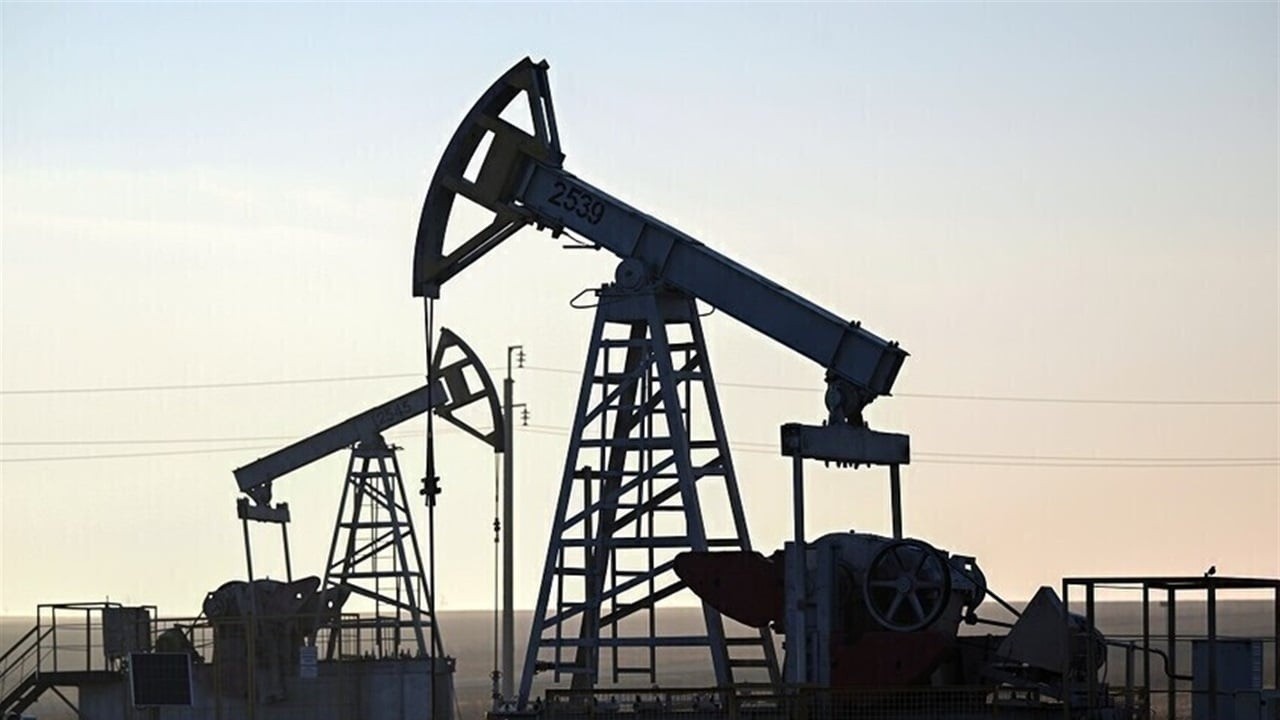
U.S. Treasury Secretary Scott Bessent has projected a significant drop in oil prices, potentially reaching between $40 and $50 per barrel, following the conclusion of military conflict with Iran, the return of market stability, and an increase in global supplies. Bessent stated in a television interview that the alleviation of geopolitical tensions would allow additional crude volumes to flow into markets, likely creating a substantial supply surplus that would exert downward pressure on prices. The U.S. Secretary added that the anticipated decline in energy prices would help alleviate inflationary pressures and lead to a reduction in U.S. Treasury bond yields. These yields have recently increased due to concerns over the impact of rising oil prices on borrowing costs. These forecasts emerge at a time when crude oil prices continue their upward trend, driven by risks surrounding energy supplies and navigation through the Strait of Hormuz. Brent crude settled near $95.62 per barrel, after touching $97.60 during the week, while West Texas Intermediate (WTI) traded close to $91.22. In financial markets, the yield on 10-year U.S. Treasury bonds climbed to a range between 4.79% and 4.82%. Conversely, spot gold fell by 1.1% to $4419.09 per ounce, influenced by rising yields and a stronger dollar. Bessent links his predictions to a subsidence of the geopolitical risk premium in the oil market, emphasizing that their realization remains contingent on the conflict's trajectory and the normalization of supply flows and navigation.