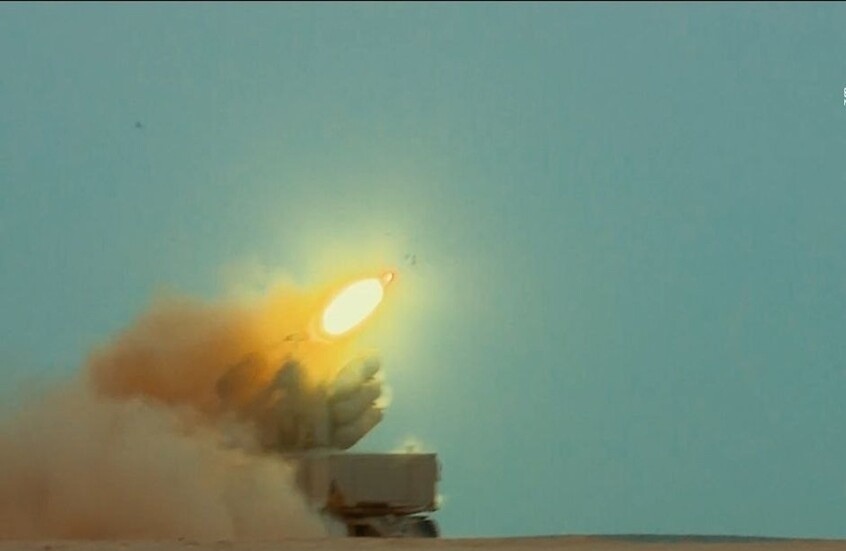
US Military Has Not Yet Completed Comprehensive Intelligence Review of Strike Targeting Iranian Minab School
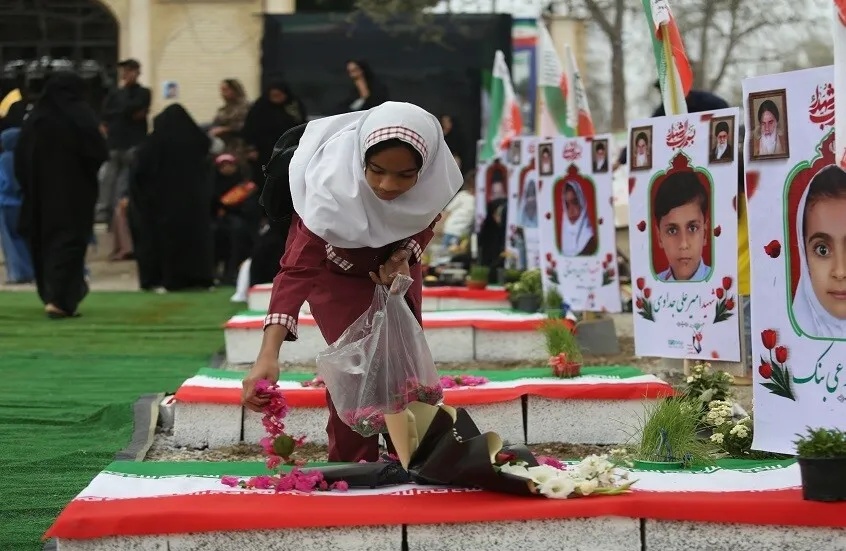
The U.S. military has not yet conducted a comprehensive intelligence review of the strike that targeted a school in the Iranian city of Minab on February 28, according to informed sources. This delay, coming more than four months after the incident, has drawn sharp criticism within the U.S. military establishment and Congress regarding the handling of the investigation into the event. The investigation into the strike remained with U.S. Central Command for months, which has not ordered the implementation of the third and final phase of damage assessment—a comprehensive intelligence review. This procedure is standard after significant military strikes, aiming to precisely analyze satellite imagery and all relevant intelligence information to determine what occurred and evaluate the strike's impact on the overall military operation. The sources stated that the first two phases of the assessment were completed within a week of the strike's execution, confirming that U.S. forces were responsible for hitting the "Al-Shajara Al-Tayyibah" (The Good Tree) school in Minab, which was the target site. However, the third phase, typically conducted by analysts from the U.S. Defense Intelligence Agency (DIA), did not commence until early July, despite being a fundamental part of the review for prominent military strikes. In a related development, the U.S. Department of Defense initiated an independent investigation into the incident in March, including interviews with military personnel involved. However, sources indicated findings were under strict restrictions within Central Command, with access permitted only to a limited number of officers. Sources from those same circles quoted one as saying that Central Command "closed the investigation and prevented any detailed analysis of what happened." For his part, a U.S. Department of Defense official merely stated that "the investigation is still ongoing," without providing additional details on its progress. According to the same sources, evidence emerged a week after the strike, indicating U.S. forces mistakenly targeted the school due to reliance on outdated intelligence that suggested the location was an Iranian Revolutionary Guard naval base. Official Iranian media outlets had previously announced that the attack resulted in the deaths of 168 children and 14 adults. The sources believed that conducting a comprehensive intelligence review would have helped uncover the shortcomings that led to the use of outdated information, as well as identify existing gaps within the Pentagon's targeting database. Previous reports indicated that senior U.S. military leaders disregarded warnings in military databases stating that information related to several targets inside Iran had become old and outdated. Nevertheless, they approved the execution of the strikes, including the one that hit the school. The sources explained that the decision to bypass these warnings was driven by "speed," given the urgent need to identify targets at the start of the operations, and considered that this factor directly contributed to the error. They further stated that the failure to conduct a complete intelligence review for a strike of this magnitude is an unprecedented occurrence in the history of U.S. military operations. According to one source, the Pentagon was in "damage control," with senior officials in the Department of Defense and Central Command wanting to avoid a repeat of what happened a year prior, when media revealed a Defense Intelligence Agency assessment concluding U.S. strikes on Iranian nuclear facilities had not fully destroyed their capabilities, contradicting then-President Donald Trump's statements. That assessment had provoked significant anger in the White House and from then-Defense Secretary Pete Hegseth, subsequently leading to the dismissal of the Defense Intelligence Agency director, General Jeffrey Kruse. The report clarified that the initial version of the independent investigation was submitted to Central Command last April, but it has not been released to the public to date, which has generated widespread dissatisfaction among American lawmakers. In this regard, approximately twenty Democratic senators sent a joint letter to Defense Secretary Pete Hegseth and Central Command Commander Admiral Brad Cooper, demanding the immediate release of the investigation's findings. They asserted "no justification for withholding a non-classified report that precisely outlines what happened, what went wrong, and actions to be taken to prevent recurrence." Other sources quoted a U.S. official as saying that the White House exerted intense pressure on Hegseth and Cooper to demonstrate the success of military operations against Iran, prompting them to limit the circulation of war-related information within military and intelligence institutions. The sources added that both the Pentagon and Central Command expanded classified information powers to include data and operational plans typically circulated among various branches of the armed forces, which some officials described as an unusual precedent. In a prior interview with a news network, then-U.S. President Donald Trump conceded that "it is probable" that the use of outdated intelligence or an error on the part of U.S. forces led to the targeting of the school.