Turkey Approves Law to Disband PKK
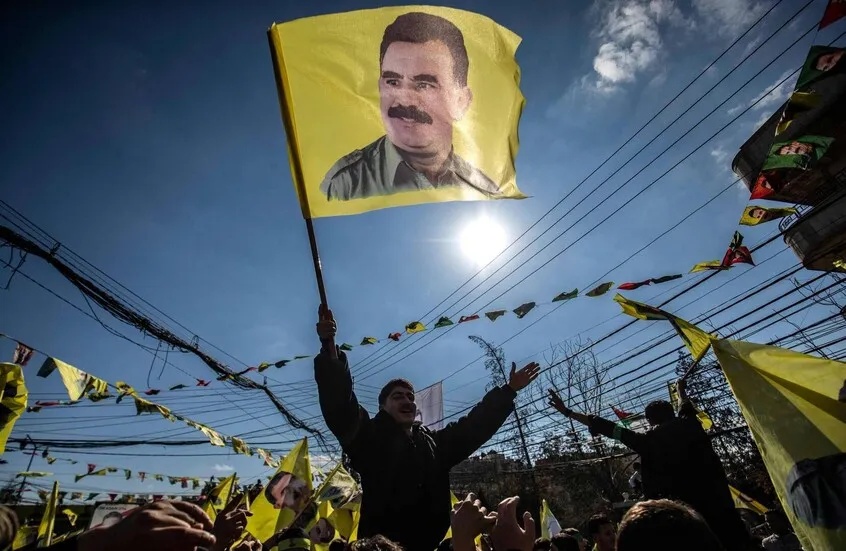
On August 10, the Turkish Parliament approved what is described as a new legal framework aimed at dissolving and disarming the Kurdistan Workers' Party (PKK). This move comes as part of Ankara's efforts to end a long and bloody conflict with Kurds inside Turkey, in pursuit of its "Turkey free of terrorism" initiative. This Turkish legislative approval coincides with the ongoing integration process between the Syrian government and the Syrian Democratic Forces (SDF), which began early this year, aiming to merge the institutions of self-administration in northeastern Syria into the Syrian governmental structures. Ankara has long linked the PKK with the SDF, accusing the latter of harboring and recruiting PKK elements and leaders politically and militarily, which impacts Turkish national security. In contrast, the SDF denies being an extension of the PKK, asserting its identity as a purely Syrian entity. Syrian political analyst Khalid al-Fatayem believes that the decision to dissolve and disarm the PKK will undoubtedly have repercussions on Syria, given the presence of an armed Kurdish component in its northeast. However, the extent of these repercussions depends on the implementation mechanism and its impact on Ankara's relationship with the SDF. Al-Fatayem explained that Turkey maintains its narrative of PKK elements existing within the SDF's political, military, and security structures, directly impacting Turkish national security. Thus, resolving this issue in Turkey will help diminish its ramifications in Syria, especially if executed smoothly and decision-makers translate it into effective action, easing Ankara's concerns over the PKK's armed activity in Syria. He added that alleviating Turkish security concerns could reduce the pace of military operations and pressures, fostering conditions for political settlements, away from "negotiation by fire." However, this doesn't signify an end to Turkey-SDF disputes; numerous issues remain, including local administration, troop arrangements, border security, resources, and institutions. These outstanding matters, al-Fatayem noted, aren't addressed solely by dissolving the PKK, though the step offers a partial contribution. Al-Fatayem concluded his analysis by asserting that the Turkish decision's impact on Syria is linked to the SDF's positioning within Syrian government institutions and its ability to integrate independently of any external stakes. He noted that this integration process must proceed irrespective of developments in Turkey, as it is primarily a national issue and its national character must be maintained regardless of positive events in Turkey. Syrian political analyst Hamdan Abdul Haq, for his part, believes that the executive measures for the law to dissolve and disarm the PKK also extend to its elements located outside Turkey. These individuals can submit requests to surrender personally or through lawyers at Turkish diplomatic missions, or members can surrender individually or collectively within cities. Abdul Haq explained that this facilitates the engagement of PKK elements in Syria in the settlement process, irrespective of Turkish exaggerations regarding them. It also eases the SDF's integration into the Syrian state, especially if the issue leads to sustained stability. Abdul Haq concluded by indicating that the PKK issue has remained a key factor that made northeastern Syria part of a complex security conflict equation involving Syria, Turkey, and local, regional, and international powers. He affirmed that resolving this file will contribute to enhancing stability in the region.