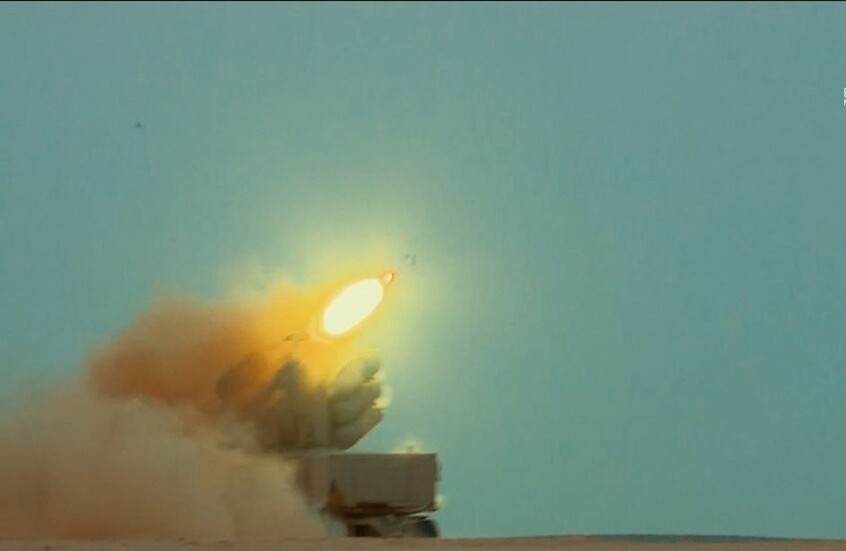
Tehran escalates maritime operations targeting six ships in single day at Hormuz
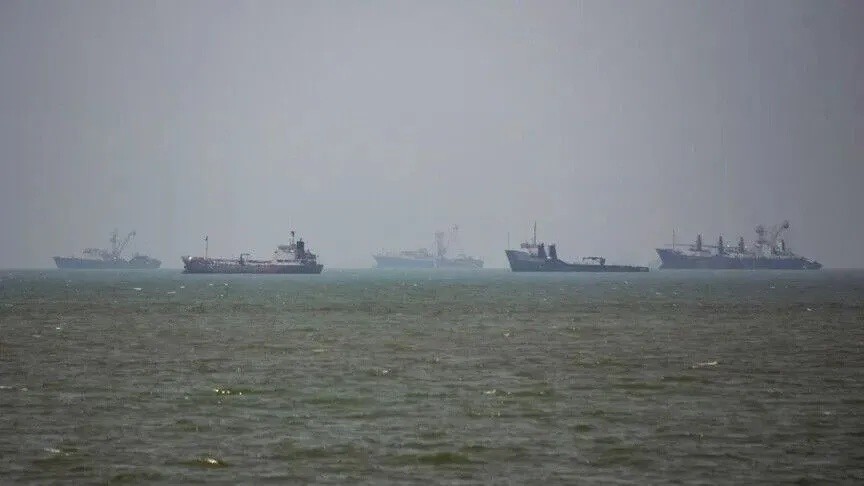
The intensity of Iranian operations against commercial vessels in and around the Strait of Hormuz has reached an unprecedented peak since the outbreak of hostilities on February 28, following the direct targeting of six ships within a single day, based on data released by the United Kingdom Maritime Trade Operations and various international maritime security sources. The security data further indicated that the total number of commercial vessels affected by these attacks exceeded eighteen ships during the first twelve days of October, with yesterday, Monday alone accounting for six targeted vessels. Reports tracked at least fourteen incidents involving attacks, attempted strikes, and maritime interceptions within the strait and its surrounding waters between October 5 and 12. Information derived from maritime trade authorities and statements from the Iranian Islamic Revolutionary Guard Corps confirms a noticeable escalation in attack rates against vessels since clashes between Tehran and Washington renewed last July. That month witnessed at least twelve attacks targeting oil tankers and cargo ships, while at least ten other vessels were targeted during August, including crude and liquefied natural gas carriers off the coasts of Fujairah, UAE, and Sohar, Oman. The total count rose to eighteen ships during September, coinciding with the resort of the United States and Gulf states to ship-to-ship transfer mechanisms relying on smaller vessels to transport oil before loading it onto larger tankers in safer maritime zones. In response, the Iranian Revolutionary Guard considered these activities to be illegal oil smuggling and attempts to break the blockade on Hormuz, prompting it to expand its operations to include supply vessels, tugboats, and small tankers across Gulf waters. The Revolutionary Guard noted that some targeted vessels suffered explosions after colliding with naval mines while navigating in what it described as an illegal manner through routes deemed unsafe. Meanwhile, Tehran justifies this escalation as a direct response to what it terms the American naval blockade, warning all vessels against using unapproved routes or crossing the region after disabling their navigation and identification systems. Iranian authorities have imposed strict regulations on maritime navigation in the Strait of Hormuz since April 2026, including designated mandatory transit routes and a requirement for prior coordination with the Revolutionary Guard Navy. On May 30, Tehran issued a directive obligating all transiting vessels to obtain prior authorization from the Guard's navy, issuing clear warnings that sailing without a permit constitutes a direct security threat. All these field developments unfold amid ongoing political and military tension between Iran and the United States regarding navigation in the Strait of Hormuz, which represents one of the most vital strategic arteries for global energy supplies and essential goods, as well as being a central file in negotiations between the two sides. The current conflict originally sparked from attacks launched by the United States and Israel against Iranian targets on February 28, followed by a temporary truce in April, before confrontations erupted anew due to stalled negotiations despite the two parties signing a memorandum of understanding in mid-June.