
Strait of Hormuz Resumes Global Oil Flow Following Peace Developments
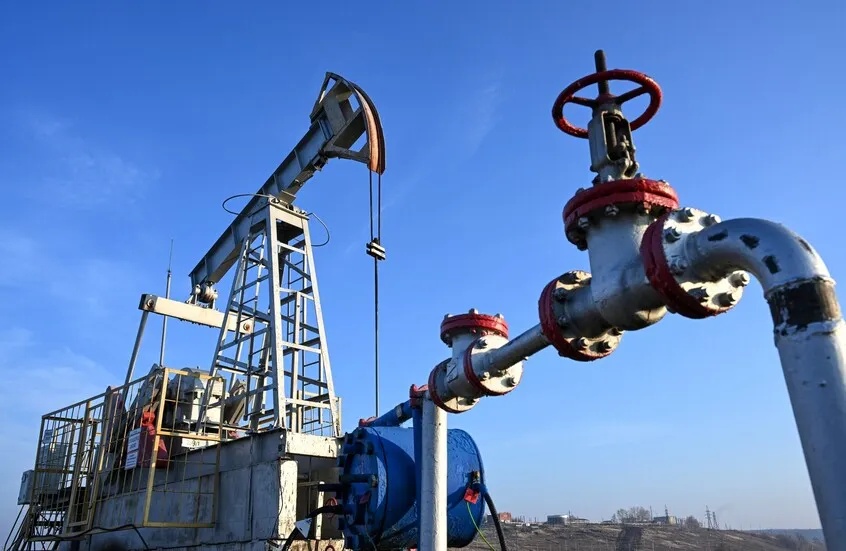
The Strait of Hormuz has witnessed a gradual resumption of maritime navigation, contributing to easing pressure on global crude oil supplies following the establishment of a temporary peace agreement between the United States and Iran. This development comes after the largest global oil supply shock ever recorded, as oil shipments begin to flow once again. In light of these developments, oil price indicators tended towards a significant weekly decline. Brent crude was traded near $79 per barrel, marking an approximately 9% drop this week, while West Texas Intermediate (WTI) crude futures for August settlement approached the $75 mark. Vessels laden with previously trapped oil have begun departing the Strait, and Kuwait announced its intention to gradually increase its oil production. Data from Thursday indicated that ships carrying approximately 10 million barrels of oil were either exiting the Strait or transiting it, including the first Saudi-owned oil tankers since the conflict began more than three months ago. According to the International Energy Agency, the Strait of Hormuz typically handles the transit of about 20 million barrels per day of oil and oil products under normal circumstances. For its part, the U.S. Central Command announced the lifting of the blockade imposed on maritime traffic to and from Iranian ports and coastal areas. Concurrently, the Joint Maritime Information Center, a prominent maritime intelligence body, advised vessels seeking passage through the waterway to use a route near the Omani coast in an attempt to avoid potential mines.