Strait of Hormuz: Oil Tanker Rental Costs Exceed Unprecedented Levels Amid Declining Navigation
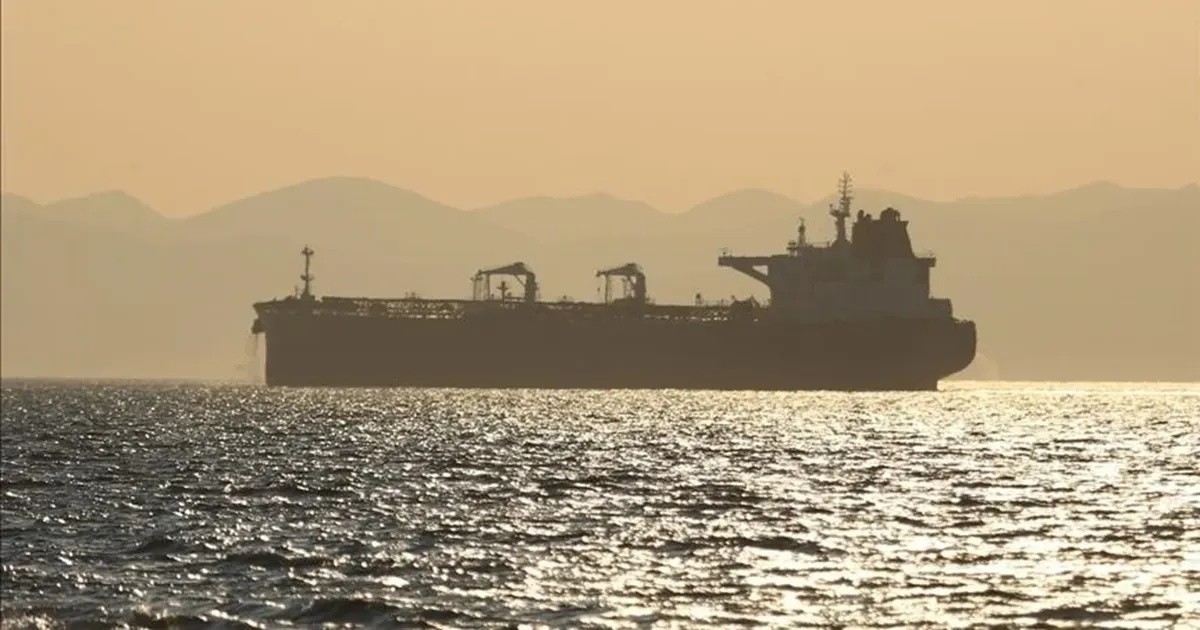
Record costs have been registered for chartering giant oil tankers operating on the world's most vital trade routes, marking an unprecedented level, as the number of vessels willing to traverse the Strait of Hormuz declines amidst the ongoing conflict with Iran. Data released by the Baltic Exchange in London indicated that the cost of chartering a tanker to transport oil from inside the Gulf to China reached approximately $1.03 million per day. However, this route has become less frequented during the conflict, as Gulf exports have increasingly shifted towards a new strategy involving the initial transport of oil through the Strait of Hormuz, followed by reloading it onto tankers awaiting outside to avoid the high risks associated with navigating the waterway. Even for crude oil transportation from the Gulf of Oman to China, which does not require traversing Hormuz, costs have risen to about $644,000 per day, a significant jump compared to periods of shipping market weakness when tanker revenues barely covered operational expenses. In this regard, oil and gas expert Mohammed Al-Anani clarified that the substantial surge in oil tanker rental costs to one million dollars daily represents a record figure, clearly reflecting the scarcity of vessels willing and prepared to enter the Gulf region. Concurrently with these developments, shipping data revealed a noticeable decline in navigation traffic within the Strait of Hormuz early this week, following an escalation of attacks in the Middle East region. Preliminary data from Kepler, released today, Tuesday, showed that only four vessels transited the Strait yesterday, Monday, a significant drop from ten vessels recorded the previous day, according to Reuters. Specifically, two dry bulk cargo vessels departed the waterway, one laden and the other empty, while two oil tankers entered the Strait, both sailing without cargo. It should be noted that these figures do not include some vessels that may have passed through the Strait with their automatic identification system (AIS) transponders turned off to avoid detection. Furthermore, Iran's Fars News Agency reported yesterday, citing the Revolutionary Guard, that an oil tanker was subjected to an explosion and caught fire after striking mines in the Strait of Hormuz, without specifying the exact date of the incident. Arab Gulf states also postponed yesterday scheduled talks with Iran to discuss potential agreements regarding the Strait of Hormuz, which is considered a setback for diplomatic efforts aimed at ending the conflict and its negative repercussions on global oil supplies. In a related context concerning the Bab Al-Mandab Strait, Kepler data indicated that 21 cargo vessels crossed yesterday, marking a decrease from 28 vessels the previous day. Prior to the escalation of tensions on February 28, the Strait of Hormuz typically saw approximately 125 large commercial vessels daily, including oil and gas tankers, dry bulk cargo ships, and container ships. This traffic represented nearly 20% of the daily global supply of crude oil and liquefied natural gas. Meanwhile, US Energy Secretary Chris Wright stated that over 12 million barrels of oil traversed the Strait of Hormuz yesterday, expecting a continued increase in flows through the Strait during the upcoming week.