
Strait of Hormuz Experiences Decline in Maritime Traffic
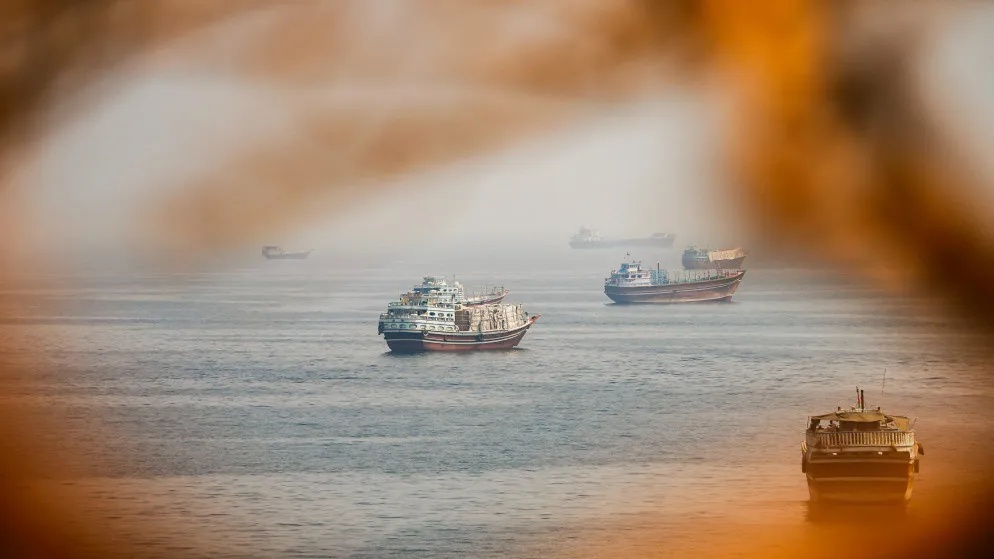
Shipping data released Monday indicated a notable drop in commodity ships crossing the Strait of Hormuz, reaching five vessels daily early in the weekend. This decline stems from shipping companies' caution amidst ongoing vessel attacks. Traffic, according to analyses, was restricted to small vessels, including two LNG tankers; one exited via the Iranian route, the other sailed to India under darkness. In contrast, Friday saw 14 ships traverse the strait, notably a colossal crude oil tanker with two million barrels, which departed after disabling its its transponder. Tension originated from a 2026 memorandum of understanding between Washington and Tehran on freedom of navigation, which stalled due to security disagreements. Between July 8 and 24 last year, the US renewed attacks on Iran, with Tehran responding regionally, before talks resumed on safe shipping lanes. Washington then reimposed a naval blockade on Iranian ports after renewed clashes, described as the fiercest since the April ceasefire. Iran warned that resuming this blockade undermines its MOU with Washington. The war erupted on February 28 following an Israeli and US attack on Iran, with Tehran responding by closing the Strait of Hormuz, which previously served as a key waterway for roughly one-fifth of global energy supplies. The Strait remains a major tension point, granting Iran immense strategic influence and a powerful bargaining chip through its control.