
Saudi efforts to build defense alliance with Egypt and Syria
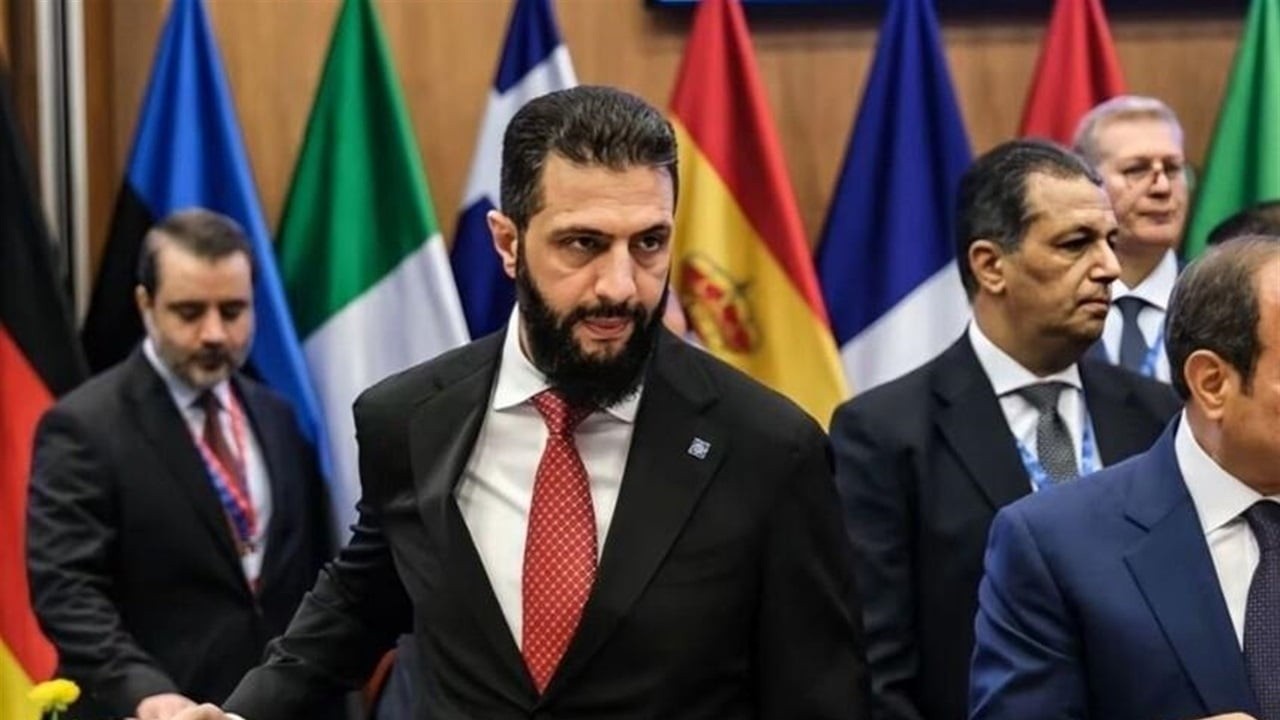
Saudi Arabia is currently exploring the establishment of a new regional defense framework under its leadership, with ongoing consultations examining the potential inclusion of Egypt and Syria to reshape the regional security landscape. These developments stem from consecutive security events inside the kingdom alongside the strategic fallout of warfare across the Gulf, prompting Riyadh to overhaul its overall defense posture. This reassessment gained urgency amid escalating threats targeting vital infrastructure, civil airports, and transportation networks. Moreover, growing cross-border perils originating from Yemen, primarily involving ballistic missiles and attack drones, require expanding defense doctrines far beyond safeguarding national frontiers to securing critical energy facilities, seaports, metropolitan centers, and vital international maritime corridors. Within this framework, strategic communications are actively seeking to broaden the scope of the so-called "Mecca Alliance." Diplomatic and security channels have engaged additional regional actors, notably Cairo and Damascus, to provide this proposed military initiative with substantial geographical depth and enhanced operational capabilities if talks materialize into actionable field measures. Concurrently, Turkey could view this strategic realignment as a major opportunity to reinforce its regional defense footprint. Ankara can leverage its advanced military capabilities, robust defense manufacturing, specialized drone technologies, and vast combat experience to cement security partnerships with Riyadh and fellow Gulf capitals. For Syria, potential involvement offers a direct pathway toward diplomatic reintegration into the Arab and regional architecture, carving out a redefined strategic role for Damascus in Middle Eastern affairs. Ultimately, the primary regional security challenge no longer revolves merely around offensive capabilities, but rather around engineering a cohesive defense shield to insulate civilian cities and strategic assets. While converting diplomatic initiatives into an operational collective mechanism with Egypt, Syria, and Turkey would yield significant geopolitical weight, considerable hurdles persist. Effective collective deterrence fundamentally demands establishing a unified command architecture, harmonized operational coordination, and binding mutual defense commitments far exceeding troop levels and military hardware alone.