Qatar's Gas Force Majeure Expected to End Next Month Amid Easing Tensions
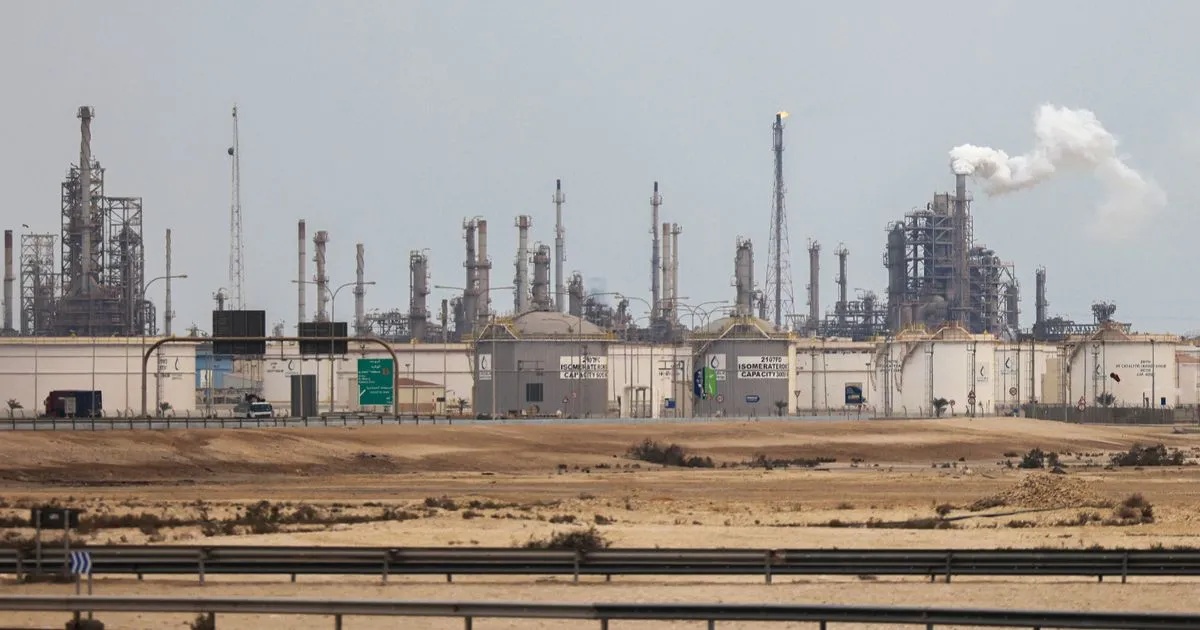
Asian liquefied natural gas (LNG) customers of Qatar anticipate that QatarEnergy will allow its force majeure declaration to expire by mid-next month, amidst easing regional tensions and an increase in the Gulf state's exports. According to individuals familiar with the matter, QatarEnergy has not indicated any intention to renew the force majeure clause for its Asian clients. These sources, who requested anonymity as they are not authorized to speak to the media, stated that the company typically notifies clients about a month prior to extending such a declaration, suggesting its intent to let it lapse. A similar force majeure declaration affecting European buyers is also expected to conclude by mid-August without renewal, the same individuals reported. These expectations emerge as energy production companies across the Gulf resume operations, following a temporary peace agreement between Iran and the United States that paved the way for the resumption of flows through the Strait of Hormuz. A force majeure declaration allows a supplier to forgo deliveries due to factors beyond their control, such as war or severe weather conditions. This potential shift would serve as an additional indicator of a return to normalcy in the region. The state-owned QatarEnergy had been extending its force majeure declarations monthly due to a near-total closure of the Strait, which halted approximately one-fifth of global LNG supplies. The company operates the Ras Laffan facility, the world's largest LNG plant, but production had remained largely suspended since regional attacks in March, shortly after the conflict began. QatarEnergy's decision to declare force majeure in March sent shockwaves through the market, as the producing Gulf nation is renowned for its reliability even during periods of unrest. For some buyers, the termination of the declaration would signal that the supplier now expects to begin fulfilling its contractual obligations. Despite these expectations, it is not certain that QatarEnergy will permit the expiry of the Asian clause in mid-July, particularly if conditions in the Strait deteriorate again. Increased exports depend crucially on ensuring safe passage through the vital waterway, and a recent attack on a cargo ship has reignited concerns about navigation safety. Nevertheless, QatarEnergy is preparing for a rapid increase in production and exports by bringing in empty vessels and readying equipment at Ras Laffan for operational resumption. These preparations coincide with some cargo shipments already traversing the Strait of Hormuz. Prime Minister Sheikh Mohammed bin Abdulrahman Al Thani told the Financial Times this week that the country intends to return to normal LNG production levels within weeks, starting from the undamaged sections of its facility.