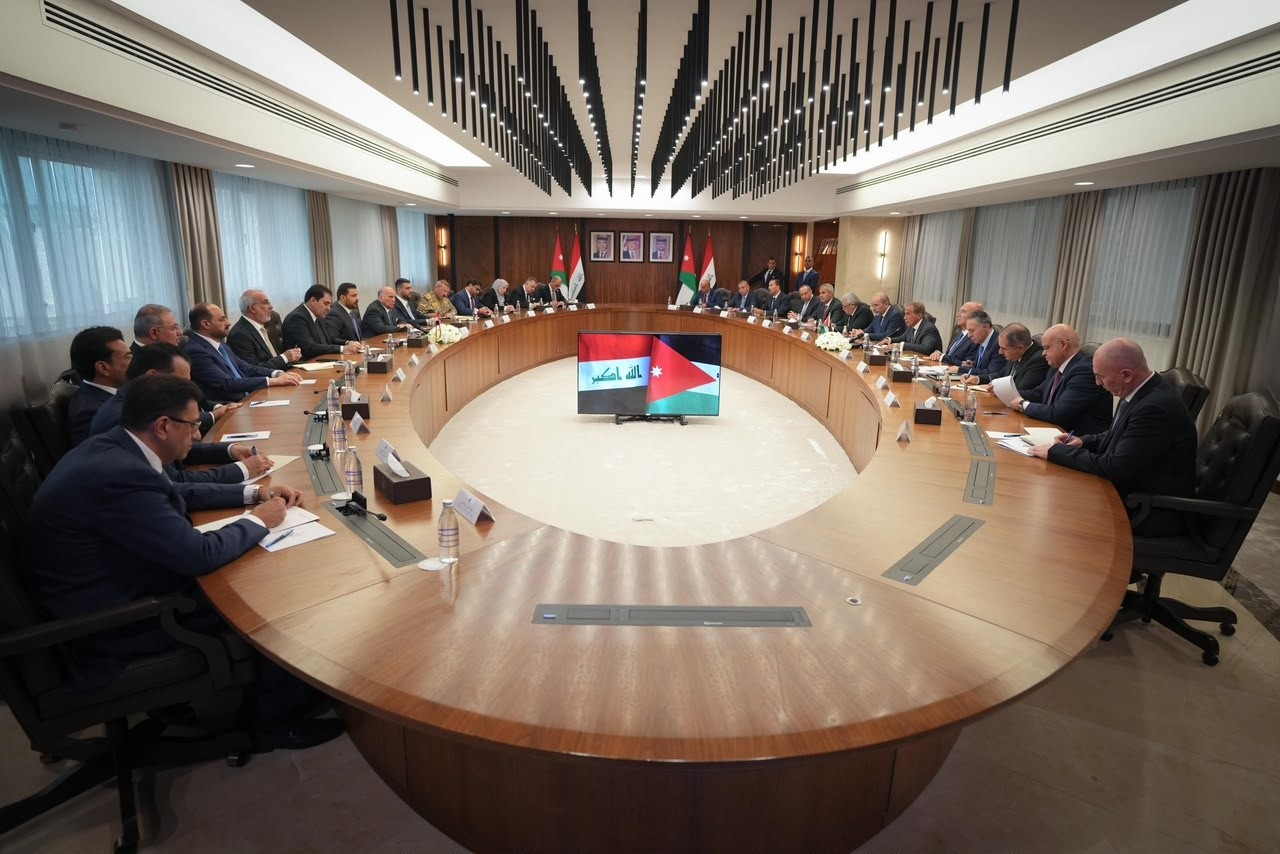
Oil Price Surge Expected Amid Rising Regional Tensions
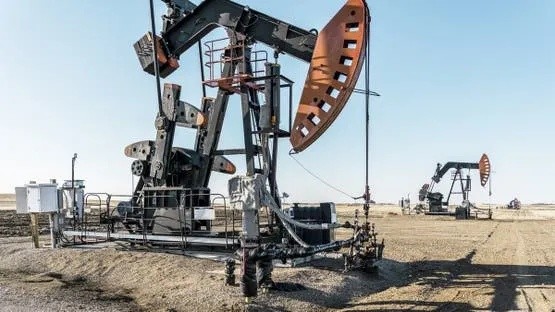
Oil prices continued their ascent on Tuesday, driven by escalating risks of prolonged conflict in the Middle East following Iran's threat to retaliate against any new American attacks targeting its assets, which heightens fears of supply disruptions. Brent crude futures rose by 65 cents (0.67%) to reach $97.65 per barrel by 04:32 GMT. Similarly, US West Texas Intermediate (WTI) crude stood at $93.00 per barrel, marking an increase of $1.52 (1.66%). Brent crude had registered its highest level since July 24 in the previous session, as traders continued to factor risk premiums into prices amidst rising tensions around the Strait of Hormuz, a key artery for global crude oil shipments. Iran warned on Monday that energy infrastructure across the Gulf region is vulnerable, including American oil and gas interests. This warning follows mutual strikes earlier in the week, with no indication of progress towards a diplomatic breakthrough. The US Central Command stated that its forces targeted three Iranian oil tankers on Saturday, including one off Kharg Island, Iran's main oil export terminal. This occurred after attacks launched by Iran's Revolutionary Guard on US warships in the region. Daniel Hynes, an analyst at ANZ, noted in a memo that "the latest escalation in the Middle East conflict has increased the likelihood of a prolonged confrontation, punctuated by measured military actions from both the United States and Iran. This could restrict supplies from the Gulf throughout the remainder of 2026." Hynes added that they "do not anticipate a full return to pre-war production rates until late in the first quarter or early in the second quarter of 2027." In market forecasts, Goldman Sachs raised its price outlook for Brent and US West Texas Intermediate crude by five dollars per barrel. The revised projections place prices at $85 and $80 per barrel respectively for December 2026, and $80 and $75 per barrel respectively for 2027. This reflects the bank's expectation of ongoing shipping disruptions in the Middle East over the coming year. Within Marex's September commodity outlook, analyst Ed Meir stated that as long as the conflict persists—which he anticipates, "given that there are many unresolved issues"—crude oil prices are likely to remain elevated until the end of the year.